-
 Welcome to Huaxing Technology
-
 Email us: [email protected]


 中文简体


-
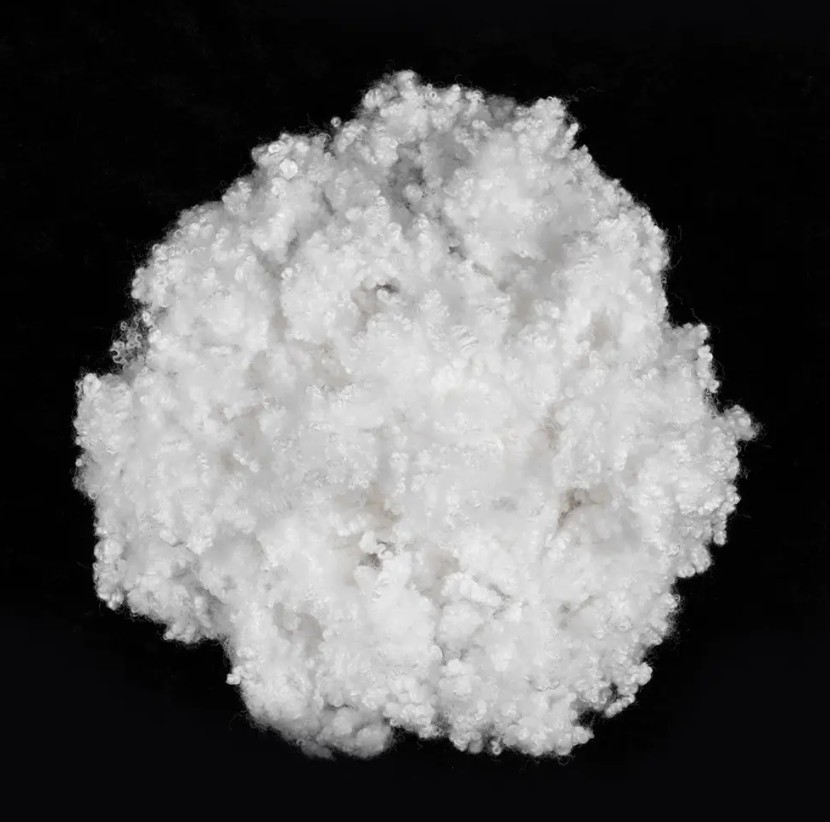
Down Alternative Fiber vs Cotton Filling: Loft, Warmth, Washability and Cost Compared
Two duvet samples arrive the same day: one filled with hollow polyester down-alternative fiber, one with carded cotton batting at the same total weight. Squeeze both and the answer appears within sec...
Read More -
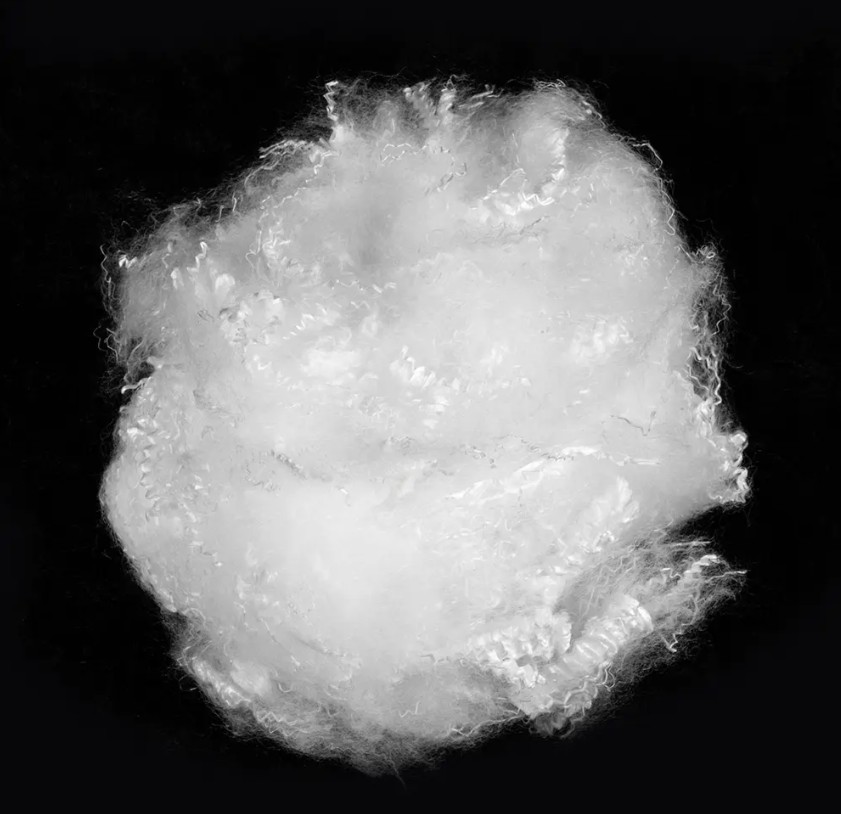
Down Alternative Fiber vs Real Down: Which Fill Performs Better for You?
Short answer: For most bedding and everyday insulated products, down alternative fiber is the lower-risk choice. It handles moisture, allergens, and washing more predictably, and it usually costs le...
Read More -
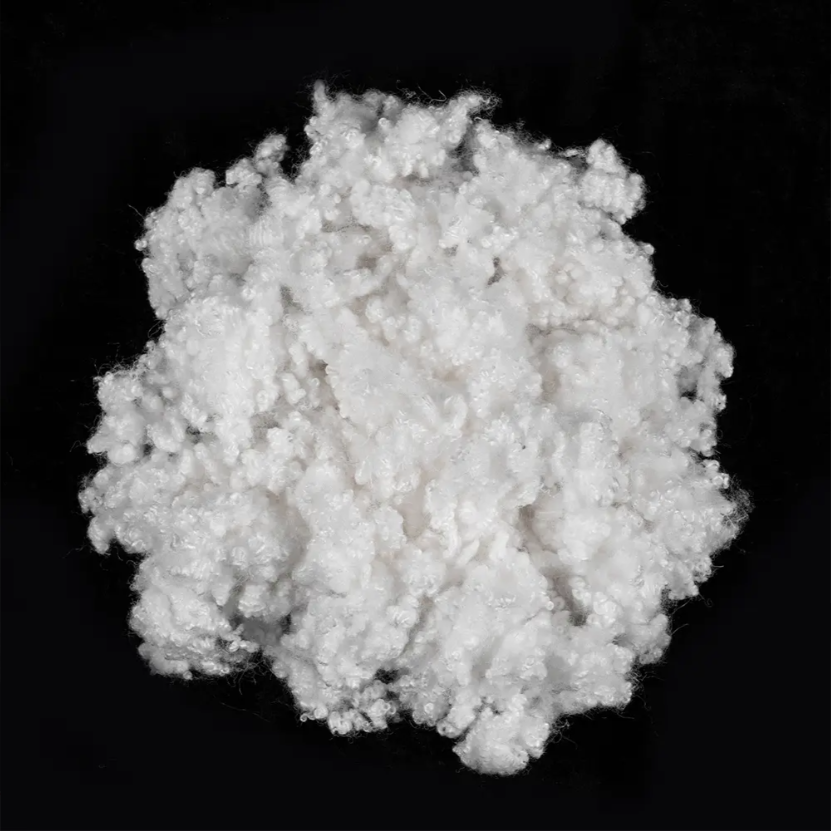
Thermal Insulation Filling: How Hollow Conjugate Polyester Traps Warmth
Two quilted jackets can carry the same 200 gsm fill weight and still sit at opposite ends of the warmth scale. One stays plump and springy after a season of use; the other goes flat after three washe...
Read More -
Sofa and Cushion Filling: Choosing Polyester Fiber Specs That Hold Shape
A three-seat sofa comes back to the workshop after fourteen months with a seat that bottoms out and a front edge full of lumps. The fabric is intact, the foam has held, and the frame is fine. What fa...
Read More -
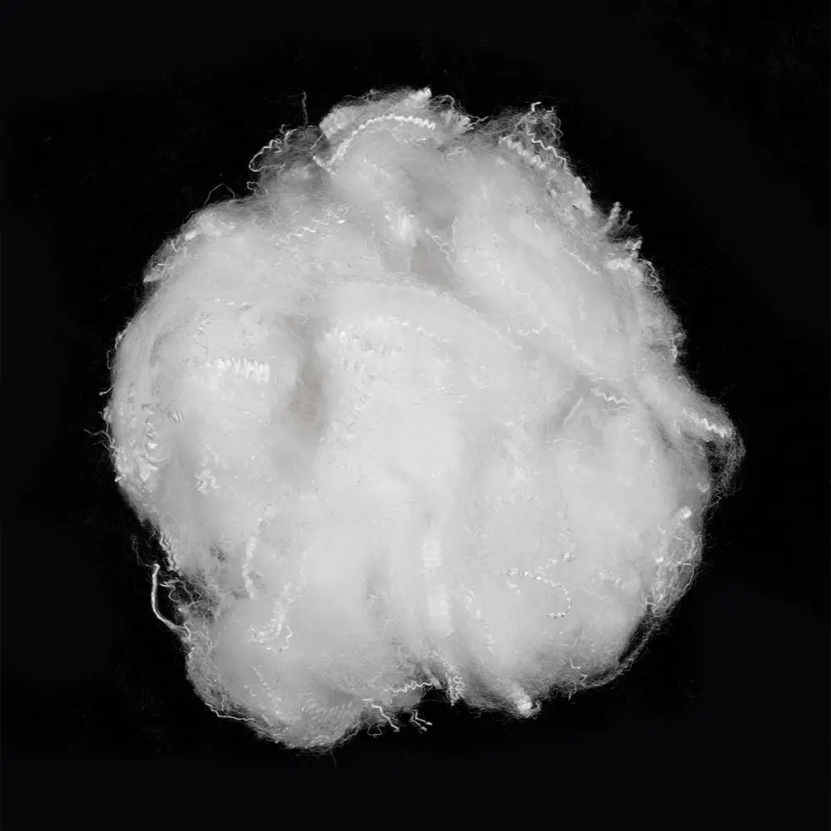
Thermal Bonding Fiber Guide: Low-Melt Polyester Selection and Process Control
Put a low-melt polyester staple fiber into a carded web, pass it through a calender, and the fabric either bonds cleanly or turns stiff, brittle, or patchy. The difference is rarely the fiber alone; ...
Read More -
Sleeping Bag Insulation Guide: How Hollow Polyester Fiber Fill Traps Heat
A sleeping bag does not warm you because it contains fiber. It warms you because the fiber holds still air in thousands of small pockets and slows the rate at which that air is replaced by colder air...
Read More -
Plush Toy Filling: How Denier, Cut Length and Siliconization Shape Softness
Two plush samples arrive in the same carton: identical shell fabric, identical stitch count, identical 250 g of filling. Three weeks later one still stands upright on a shelf while the other has sett...
Read More -
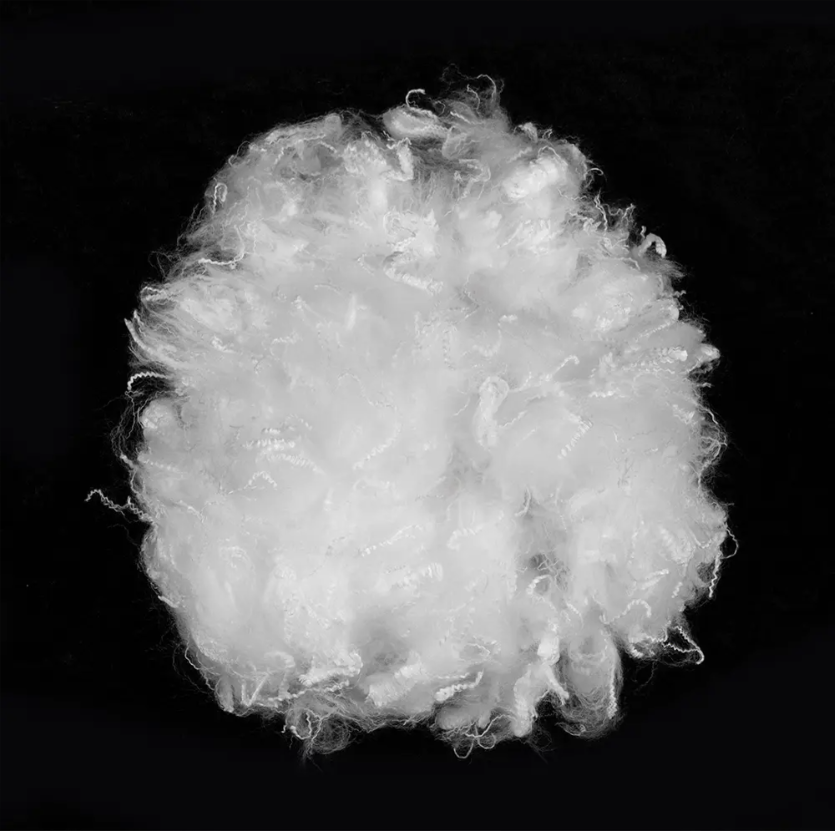
Nonwoven Fabric Production: How Fiber Choice Shapes Line Yield and Cost
A needle-punch line that runs cleanly on 15D fiber can lose a fifth of its throughput the week a 3D lot is loaded, and the web weight starts to wander long before anyone touches a machine setting. In...
Read More -
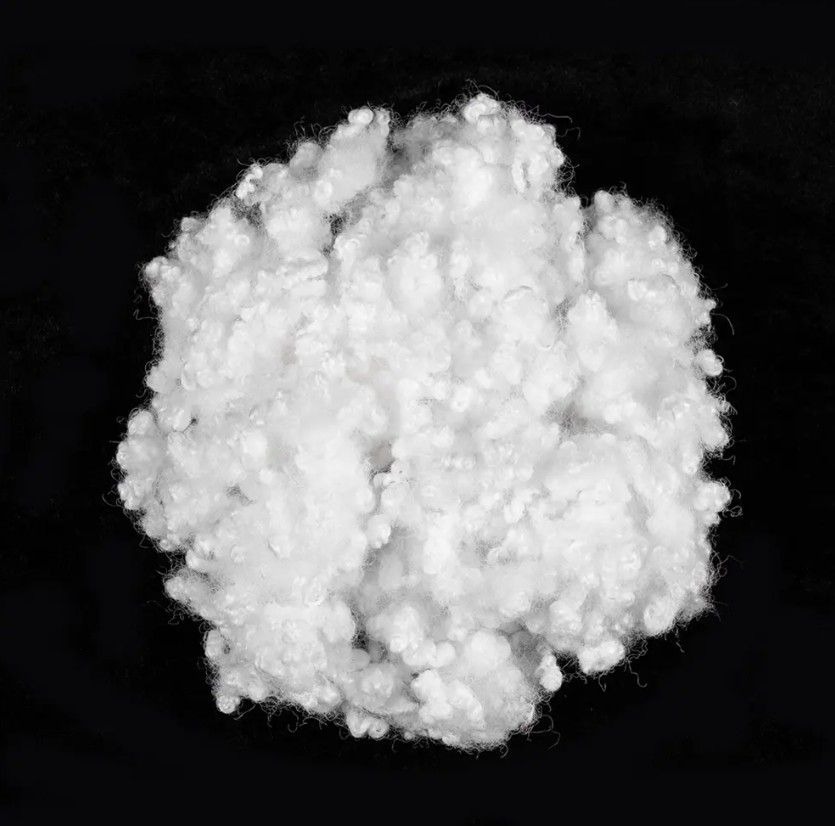
Outdoor Gear Filling Guide: Hollow Conjugate, Low Melt, and Micro Fiber Performance
When a sleeping bag loses its loft or a jacket clumps after washing, the problem usually starts with the filling. Outdoor gear filling is not just about warmth; it determines how a product packs, rec...
Read More -
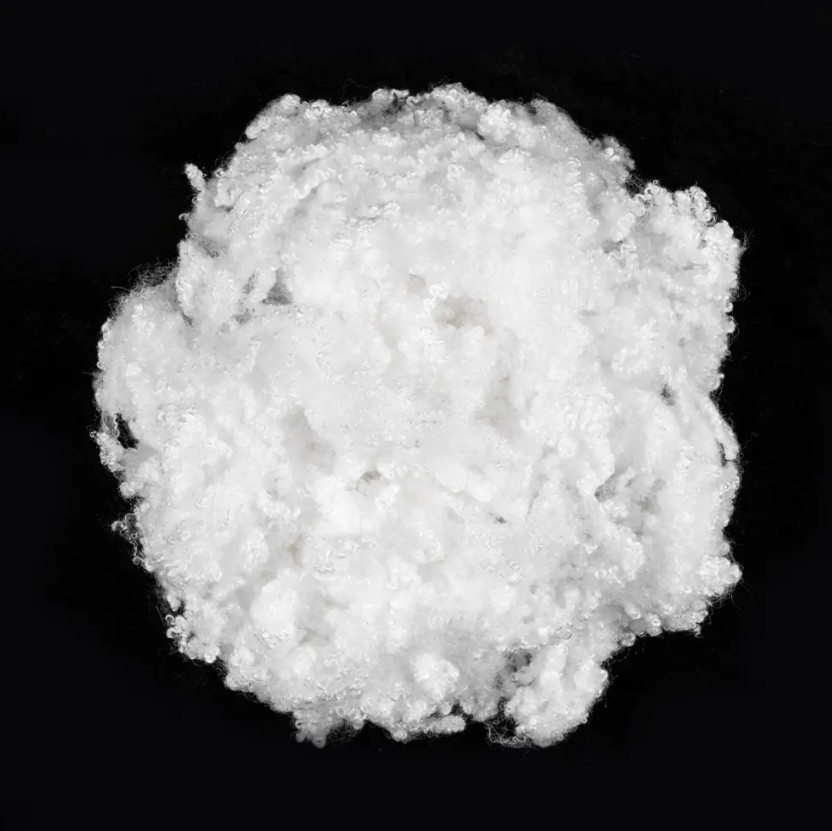
High-End Filling Material: How to Choose Hollow Conjugate Polyester Fiber
A bedding producer ran the same filling recipe for two years, then switched to a cheaper 7D hollow fiber one March to protect margin. The problem only surfaced in July: the identical fill weight prod...
Read More -
High Pilling Resistance Fiber: How to Choose Specs That Pass ISO 12945 Tests
A European knitwear buyer receives 4,000 pieces of 320 gsm cotton-polyester fleece. Three home launderings at 40 °C later, the cuffs and underarm areas show visible pills. The dyehouse blames the sof...
Read More -
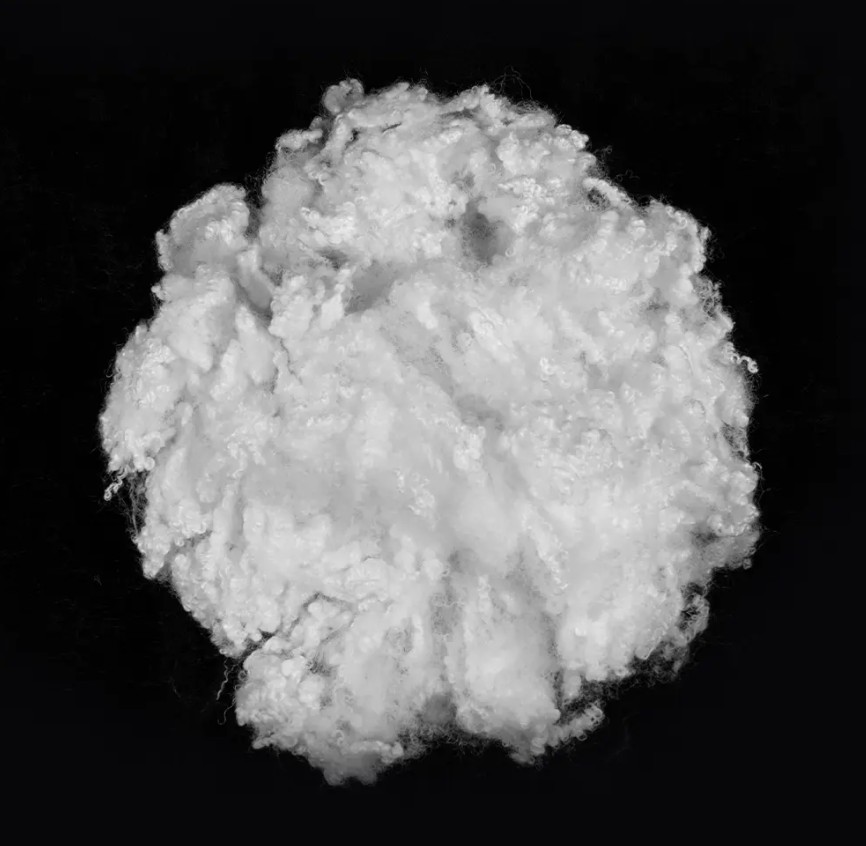
Eco-Friendly Filling Material: How to Specify Polyester Fiber Fill That Lasts
Most filling specifications are one line long: 7D hollow conjugate, 64 mm cut, silicone treated. When a bedding or furniture brand replaces that line with a recycled-content equivalent, loft, hand fe...
Read More
-
Quick Links
Home About Us Products FAQ News Contact Us -
Product Links
Polyester Staple Fiber Pre-oriented Yarn/POY Polyester Chip/PET Chip -
About Us
About Us Factory Honor FAQ -
Get In Touch
E-mail:
[email protected]Phone:
+86-130 8198 6637Tel:
+86-0574-63732888Address:
Haidianrong Village, Longshan Town, Cixi City, Ningbo, Zhejiang Province, China.
