-
 Welcome to Huaxing Technology
-
 Email us: [email protected]


 中文简体


Nonwoven Fabric Production: How Fiber Choice Shapes Line Yield and Cost
Content
- 1 Why Denier and Cut Length Drive Everything Downstream
- 2 The Five Forming Routes and What Each One Asks of the Fiber
- 3 Reading the Letters: HC, HCS and H in a Staple Fiber Spec
- 4 Low-Melt Fiber Sets Your Bonding Window
- 5 Silicone or Non-Silicone Hollow Conjugate?
- 6 Troubleshooting: Line Symptoms and the Fiber Behind Them
- 7 FAQ
- 8 Getting the Fiber Spec Right the First Time
A needle-punch line that runs cleanly on 15D fiber can lose a fifth of its throughput the week a 3D lot is loaded, and the web weight starts to wander long before anyone touches a machine setting. In staple-based nonwoven fabric production, the fiber is the process variable that cannot be measured online, yet it shows up fastest in the finished roll.
The conclusion first: for carded, needle-punched, spunlaced, airlaid and wetlaid nonwovens, three fiber parameters decide most of the line's performance — denier, cut length and surface finish. Get those three right and most bonding, strength and uniformity problems fade away. Get them wrong and no amount of oven tuning or needle-board adjustment will reach the root cause.
The rest of this article explains why, with the numbers and trade-offs behind each decision.
Why Denier and Cut Length Drive Everything Downstream
Denier is mass per length, so a lower denier means more fibers per gram and more fiber surface available for bonding, entanglement or hydroentangling. Almost every processing difference between a 1.2D and a 15D fiber follows from that single relationship.
- Low denier (1.2D–3D): more fibers per unit weight, tighter web cohesion, softer hand, far more effective needle entanglement and hydroentangling — but higher carding friction and a narrower processing window.
- High denier (6D–15D): stiffer fiber, more bulk and loft per gram, easier opening, lower carding energy. This is the range for filling and insulation.
- Cut length: 38mm suits carding and thermal bonding; 51mm and 64mm suit needle punching and higher tensile. Too long and the fiber wraps the cylinder; too short and it fines out and plugs the filters.
Match length to the carding cylinder and the tensile you need, and match denier to the bonding method rather than the price list. A 1.2D fiber is not automatically better than a 6D fiber; it is simply the wrong input for a loft-driven product.
The Five Forming Routes and What Each One Asks of the Fiber
Nonwoven fabric production is often described as one process, but there are five staple-based forming routes plus two direct-polymer routes, and they demand very different raw material behavior.
- Drylaid carded (needle-punched or thermal-bonded): the most common route for polyester staple fiber. Length dominates; crimp and finish control carding stability.
- Spunlace: high-pressure water jets entangle the web. Rewards fine denier, penalizes neps.
- Airlaid: short fibers formed by air. Length distribution matters more than average length.
- Wetlaid: fibers dispersed in water; finish chemistry must suit the water loop.
- Spunbond and meltblown: these start from polymer pellets, not staple fiber. If a supplier quotes staple fiber for a spunbond line, the conversation is off track.
Spunlace is the least forgiving. Bonding comes from mechanical entanglement rather than heat or chemistry, so the web must be uniform before the jets arrive. Micro denier polyester — typically 1.2D at 25mm or 32mm — supplies the fiber density and surface area that make hydroentangling efficient, and produces the soft, low-linting hand that wipes and medical drapes need.
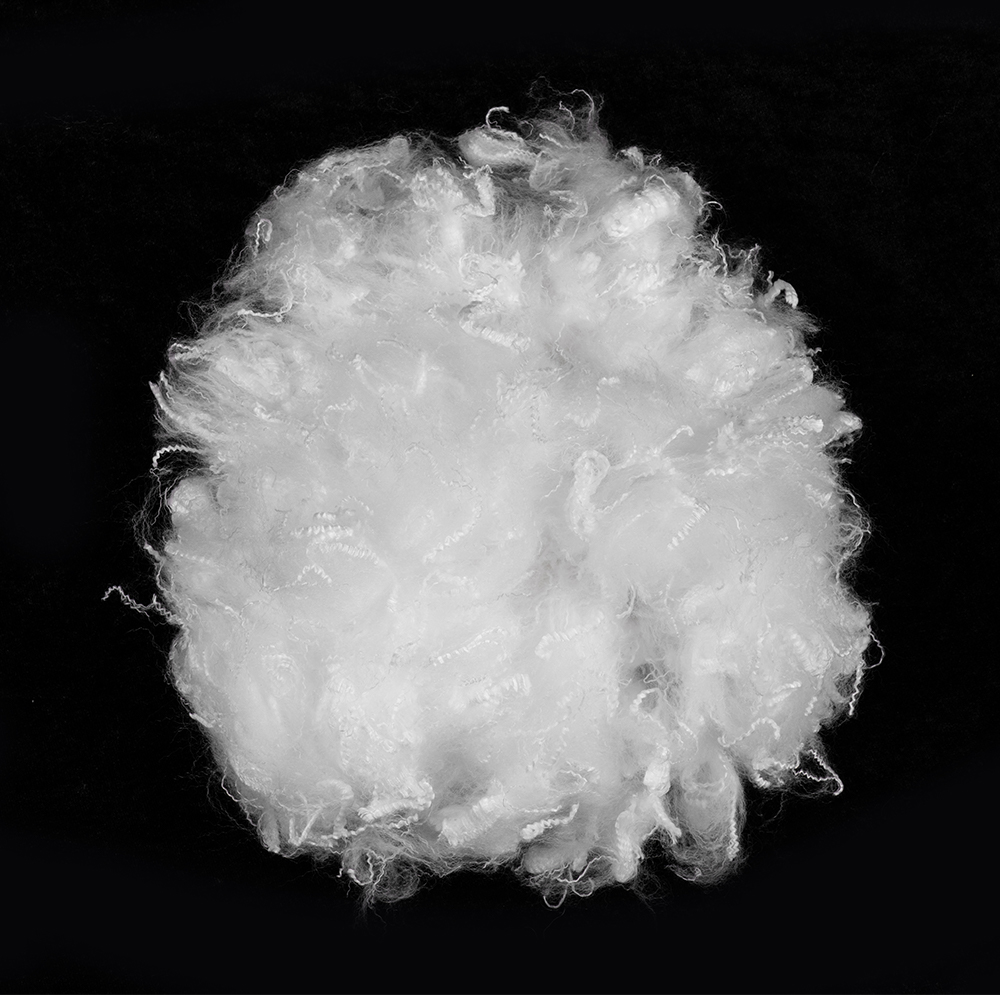 1.2D 32mm Micro Polyester Staple FiberSoft 1.2D microfiber staple with 32 mm cut length, suited to high-end down jackets, comforters and pillows where even filling and down-like warmth matter.View Product →
Reading the Letters: HC, HCS and H in a Staple Fiber Spec
Catalogues list staple fiber as "3D 64mm HC" or "4D 51mm H". The number before D is denier, the millimetre figure is cut length, and the trailing letters describe cross-section and surface treatment. In common industry usage, HC means hollow conjugate — a hollow bicomponent cross-section that traps still air and delivers warmth at low weight. HCS adds an S for a silicone finish, and a trailing H usually marks modified or higher-retention crimp.
Those letters are not standardized between producers, so confirm the exact definition before writing a purchase specification. What matters commercially is the trade-off they represent:
- A hollow cross-section buys bulk and thermal resistance but adds little tensile.
- A silicone finish buys opening performance and loft recovery, at a slight cost in downstream adhesion.
- Higher denier with higher crimp buys process stability at speed, at the cost of hand and surface evenness.
Low-Melt Fiber Sets Your Bonding Window
Thermal bonding is the one nonwoven route where a single component can carry the whole process. Low-melt polyester staple fiber is bicomponent, with a lower-melting sheath around a standard polyester core. Heat the web above the sheath's melting point and fibers weld at every contact point; keep the core below its softening point and the web keeps its structure.
Two numbers govern the line. The sheath melt range — roughly 110°C for standard grades, around 130°C for higher-temperature types — sets the bottom of the oven curve. The blend ratio, usually 15–30% low-melt in the total mix, sets how much bond strength is available. Too little and the web delaminates at the edges; too much and the product turns boardy while costing more per kilogram.
A 4D 51mm H grade is a common starting point for high-loft thermal-bonded padding, because the coarser denier preserves bulk while the 51mm length gives the card enough cohesion to run at speed.
When the oven curve and the blend ratio disagree, the fiber data sheet usually wins. How to select the right low-melt fiber specification covers the sheath-melt, dwell-time and ratio checks in more detail.
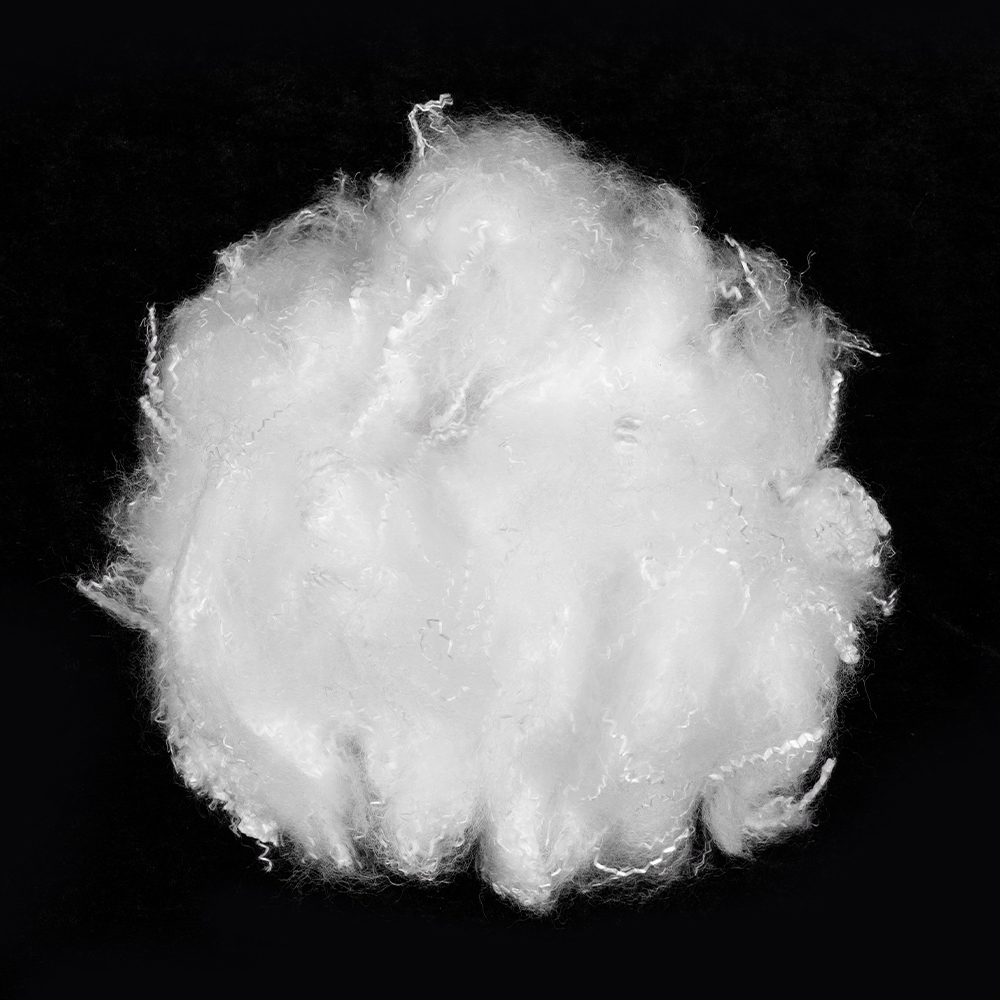 4D 51mm H Low-Melt Polyester Staple FiberAdhesive-free thermally bonded 4D 51 mm staple for durable high-strength nonwovens, load-bearing mattress and sofa parts, and automotive interior structures.View Product →
Silicone or Non-Silicone Hollow Conjugate?
Hollow conjugate fiber ships in two finish families, and the difference stays invisible until the web meets water, adhesive or dye.
- Silicone-treated: the finish lowers fiber-to-fiber friction, so opening is smoother, nep counts drop, and the fiber recovers loft after compression. This is why silicone grades dominate filling, pillows and quilted padding.
- Non-silicone: with no silicone film at the surface, the fiber bonds and wets more predictably. It is the right choice when the nonwoven will be coated, laminated, printed or adhesively bonded, or where finish chemistry must stay minimal.
A 7D 64mm hollow conjugate fiber sits at a denier and length that open cleanly on a conventional card and hold loft through thermal bonding — the volume comes from the hollow cross-section rather than from the polymer itself.
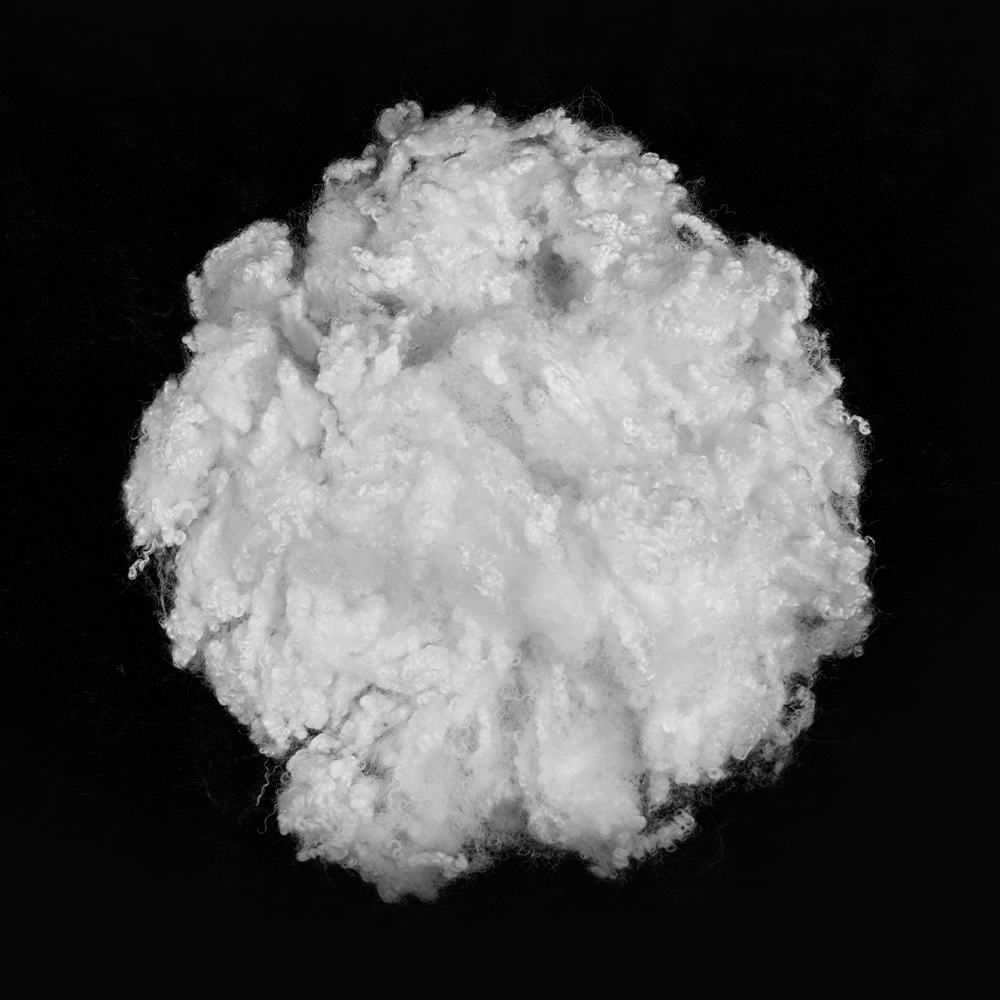 7D 64mm HC Hollow Conjugated Polyester Staple FiberNon-silicone hollow conjugated 7D 64 mm filling staple with good loft and cohesion for mid-range comforters, pillow cores, sofas and durable home textiles.View Product →
Troubleshooting: Line Symptoms and the Fiber Behind Them
Before adjusting machinery, check whether the symptom traces back to the incoming fiber. The table below maps frequent complaints on staple nonwoven lines to their usual fiber cause.
| Symptom | Typical fiber cause | First check |
|---|---|---|
| Web weight varies by more than 5% | Denier drift between lots, or bundles not fully opened | Denier CV and opening performance of the lot |
| Low tensile after needle punching | Cut length too short, or crimp too low for entanglement | Length distribution and crimp measurement |
| Delamination after the oven | Low-melt ratio below 15%, or sheath melt never reached | Blend ratio, oven air temperature, dwell time |
| Fines and dust under the card | Over-short fiber or a brittle finish | Sieve test on incoming fiber |
| Thin spots and holes in a spunlace web | Neps from a high-friction finish, or fiber longer than the line allows | Finish type and cut length against machine limits |
| Hand too stiff for the application | Denier above the target range | Move to a 1.2D–3D grade before changing bonding |
FAQ
Can spunbond nonwoven be made from staple fiber?
No. Spunbond and meltblown are direct-polymer processes: pellets are extruded into filaments that are laid and bonded in one continuous operation. Staple fiber feeds carded, airlaid, wetlaid and spunlace lines.
What blend ratio of low-melt fiber should I start with?
Most thermal-bonded products run between 15% and 30% by weight. Start in the middle, then move toward the low end if hand or cost is the constraint and toward the high end if edge delamination is the problem.
Does cut length affect how soft the finished fabric feels?
Only indirectly. Softness is driven mainly by denier and by how the web is bonded; cut length governs how well the line runs and how much tensile develops. If the hand is wrong, change denier first.
How do I qualify a fiber lot before production?
Check denier, length distribution, crimp, finish content and moisture, then run a few hundred kilograms on the real line. Web weight stability in the first hour tells you more than any data sheet.
Getting the Fiber Spec Right the First Time
Nonwoven fabric production problems that look like machine faults are usually specification faults. Denier sets the fiber count, length sets the processing window, finish sets how the web behaves under water, heat or adhesive, and the low-melt ratio sets the bonding window. Fix those four and the line has something stable to work with.
If you are specifying polyester staple fiber for a carded, thermal-bonded, spunlace or filling application, contact us with your target denier, cut length and bonding route, and the grade can be matched to the process rather than to the catalogue page.
Ningbo Huaxing Technology Co., Ltd.
-
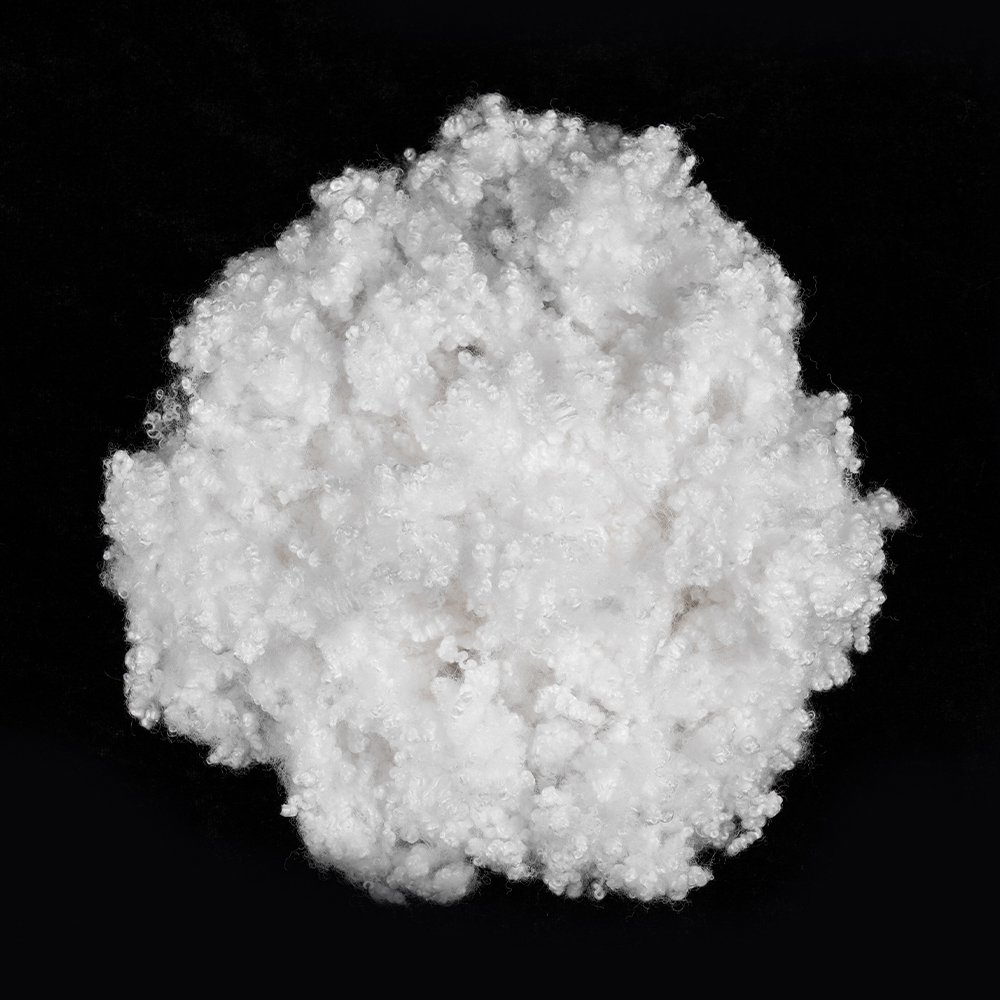
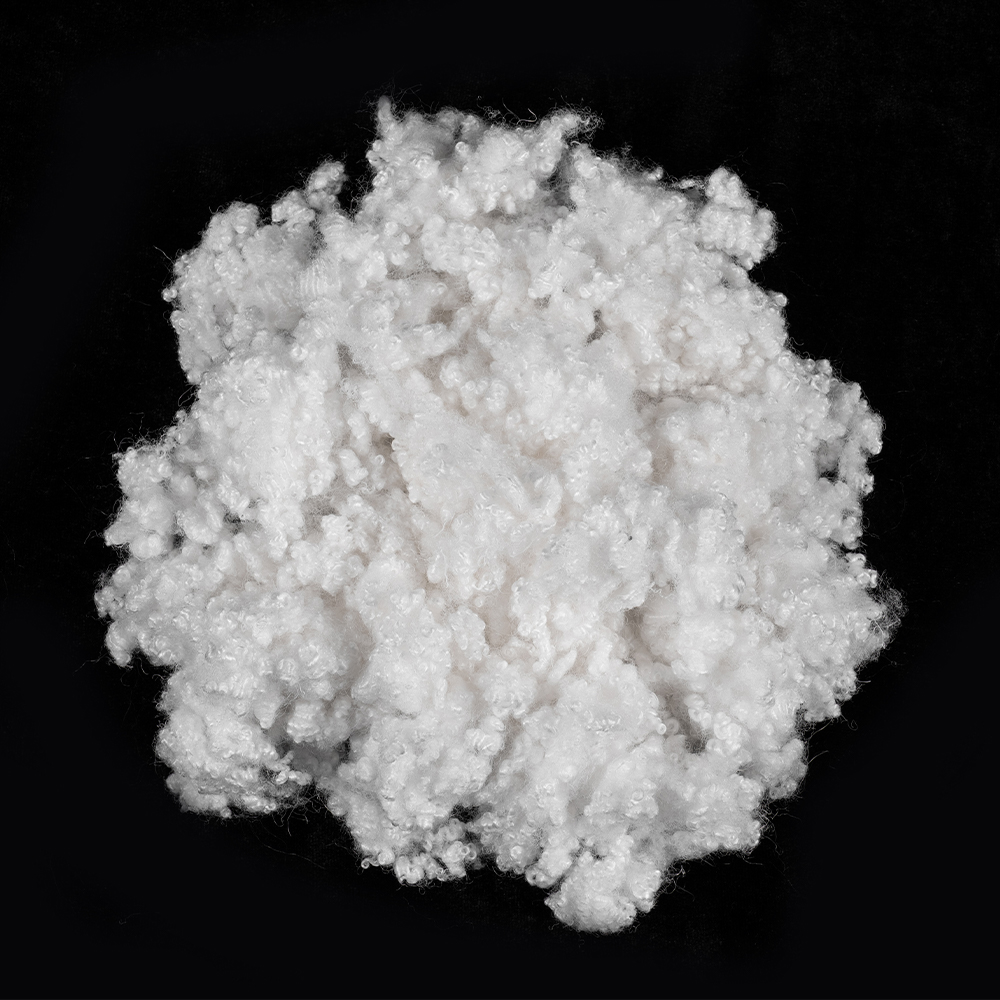
3D HCS Polyester Staple Fiber
-
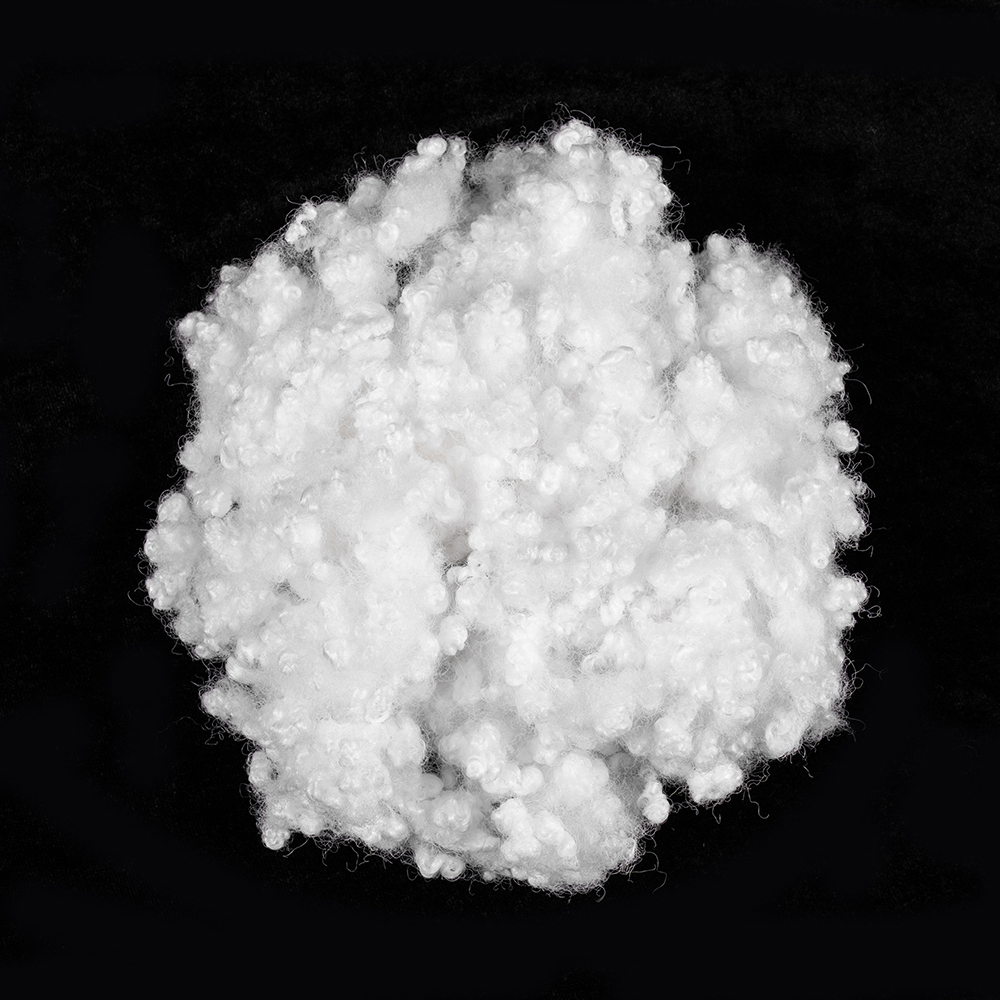
7D HCS Polyester Staple Fiber
-
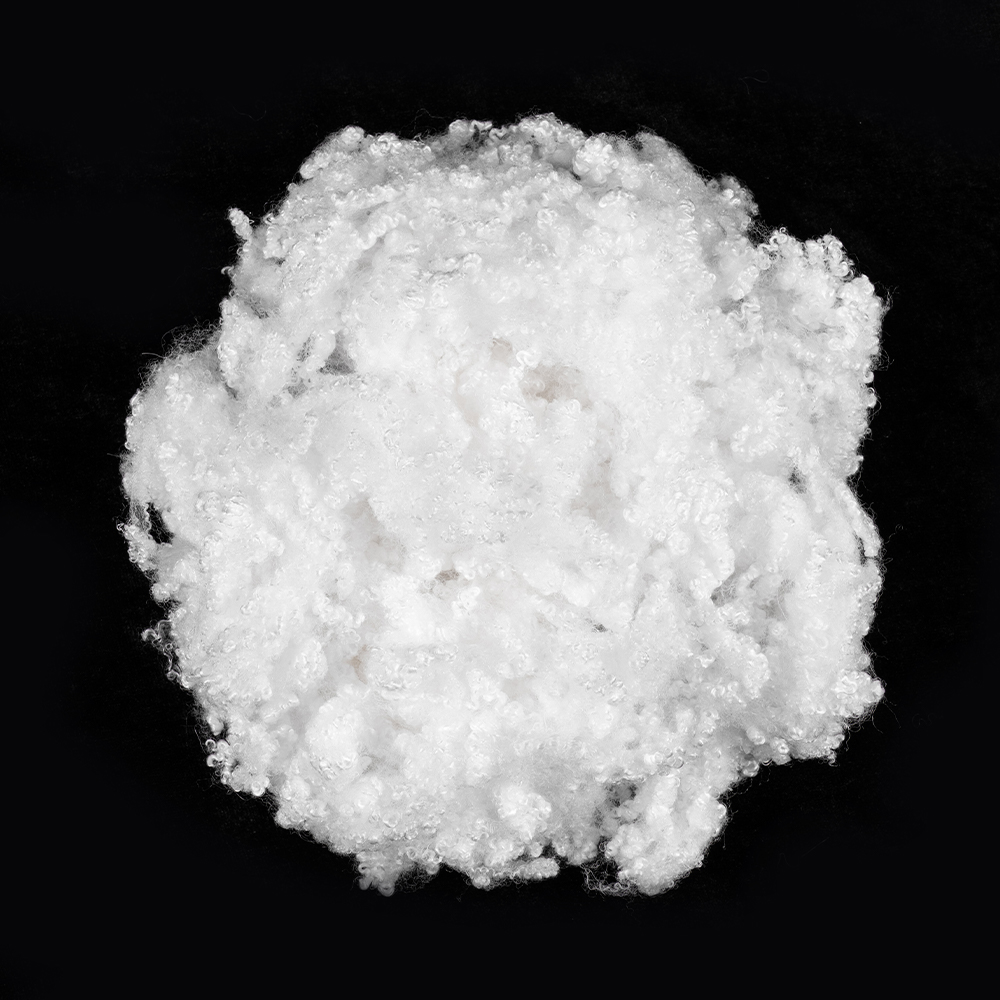
15D HCS Polyester Staple Fiber
-
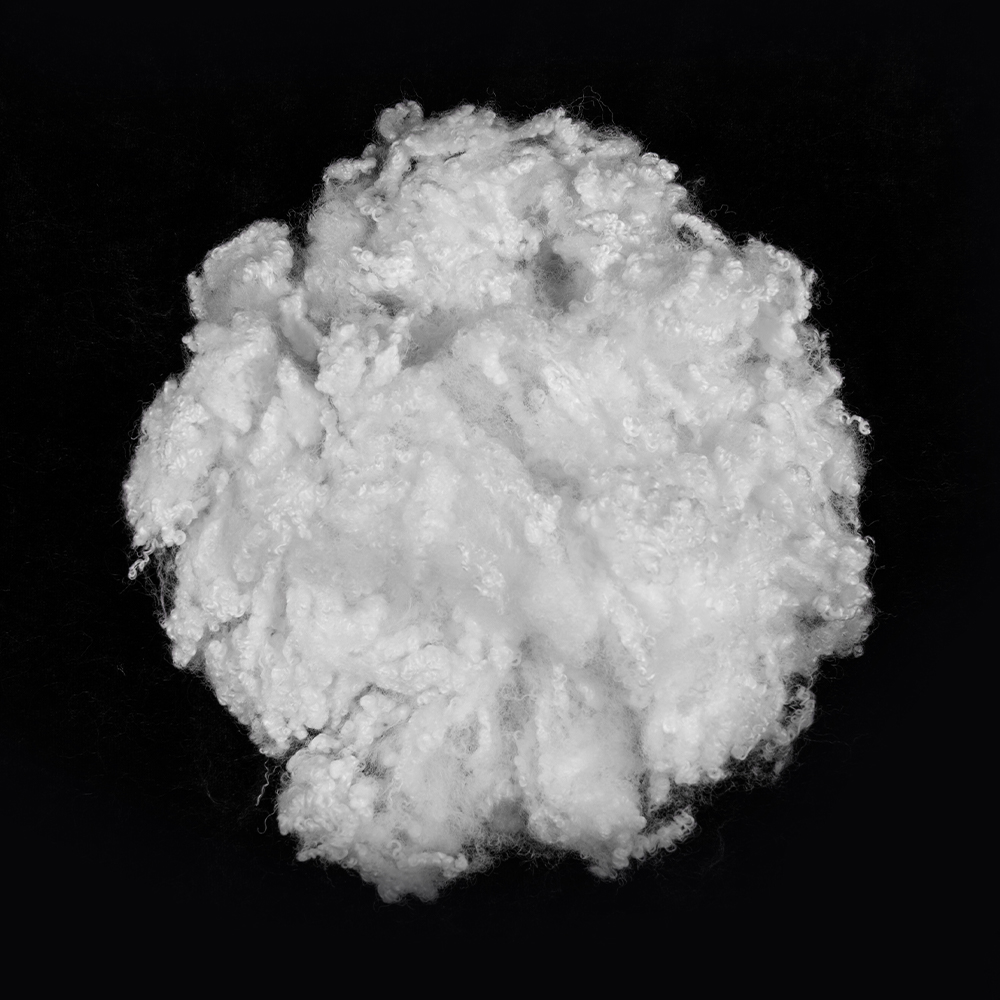
3D*64MM HC Polyester Staple Fiber
-
7D*64MM HC Polyester Staple Fiber
-
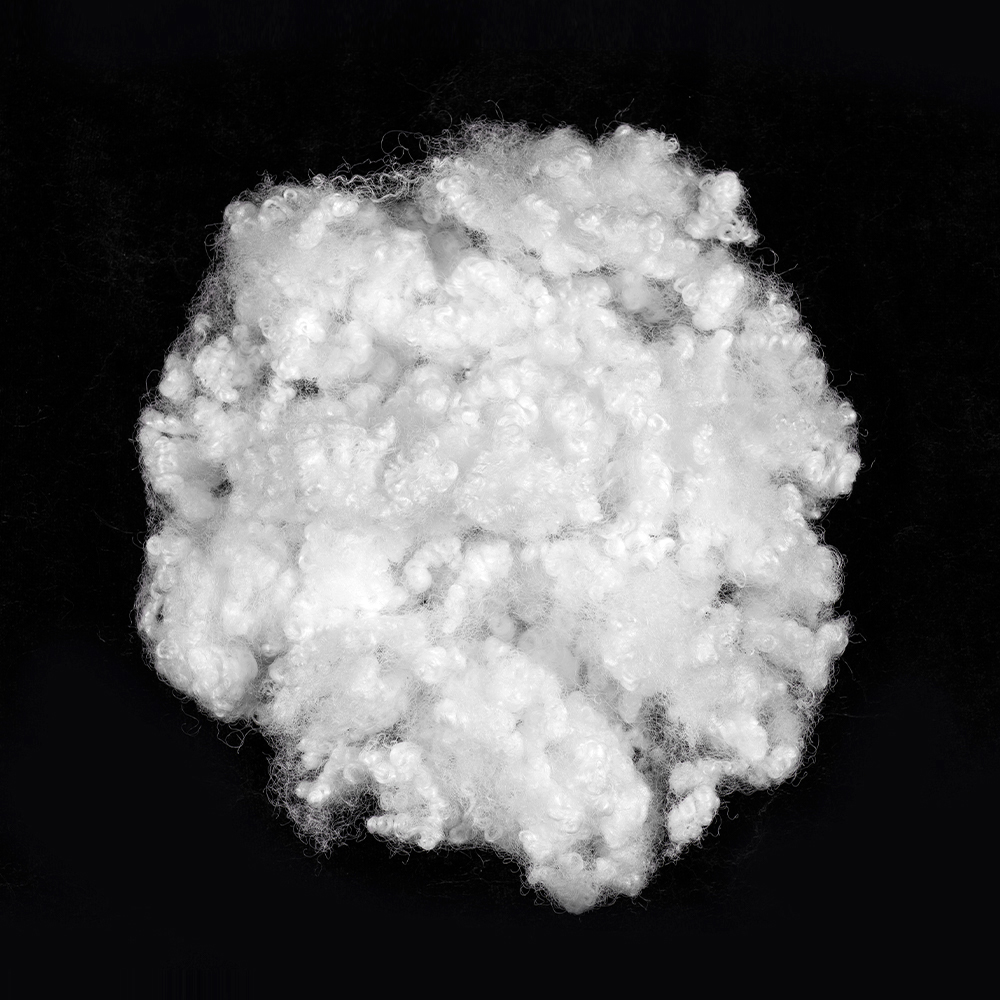
15D*64MM HC Polyester Staple Fiber
-
Quick Links
Home About Us Products FAQ News Contact Us -
Product Links
Polyester Staple Fiber Pre-oriented Yarn/POY Polyester Chip/PET Chip -
About Us
About Us Factory Honor FAQ -
Get In Touch
E-mail:
[email protected]Phone:
+86-130 8198 6637Tel:
+86-0574-63732888Address:
Haidianrong Village, Longshan Town, Cixi City, Ningbo, Zhejiang Province, China.
