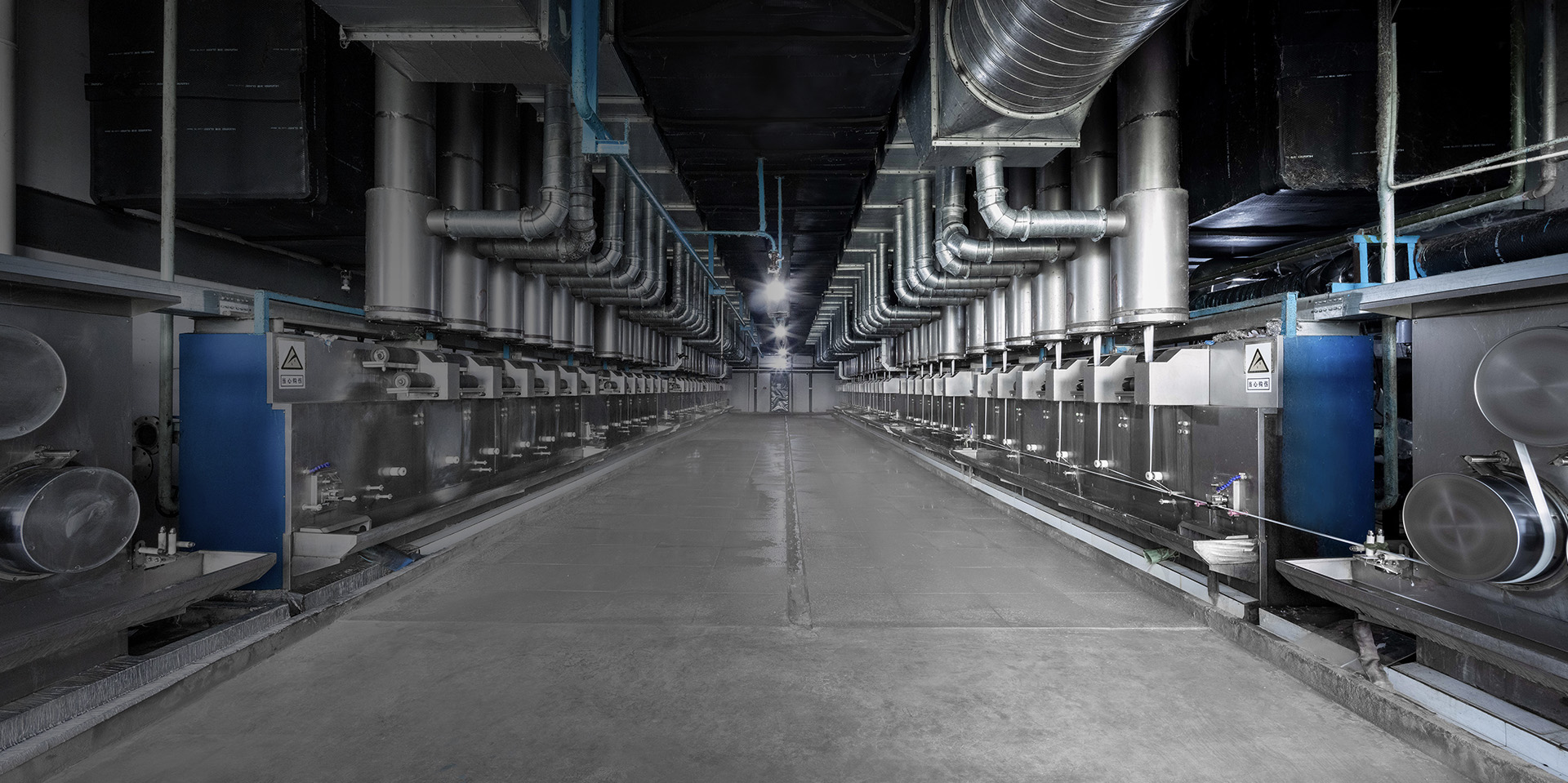
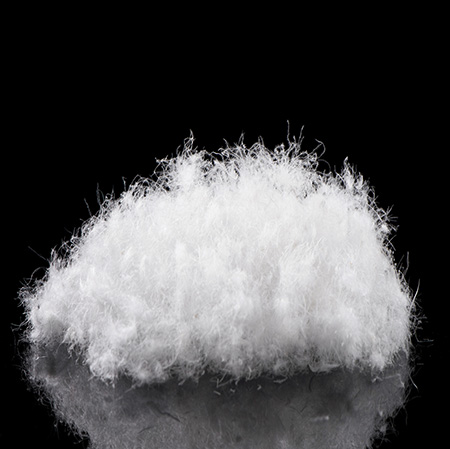
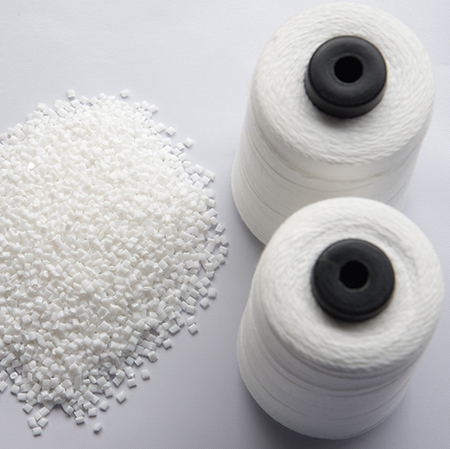
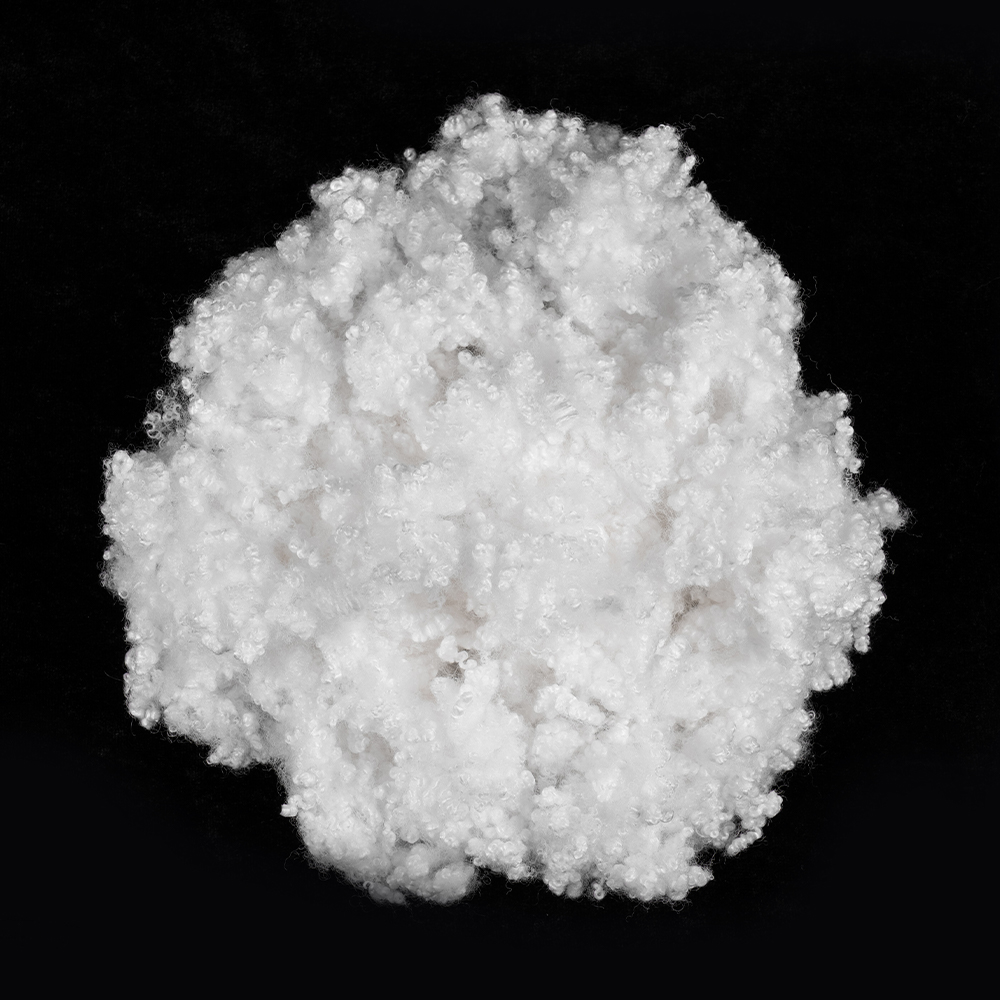
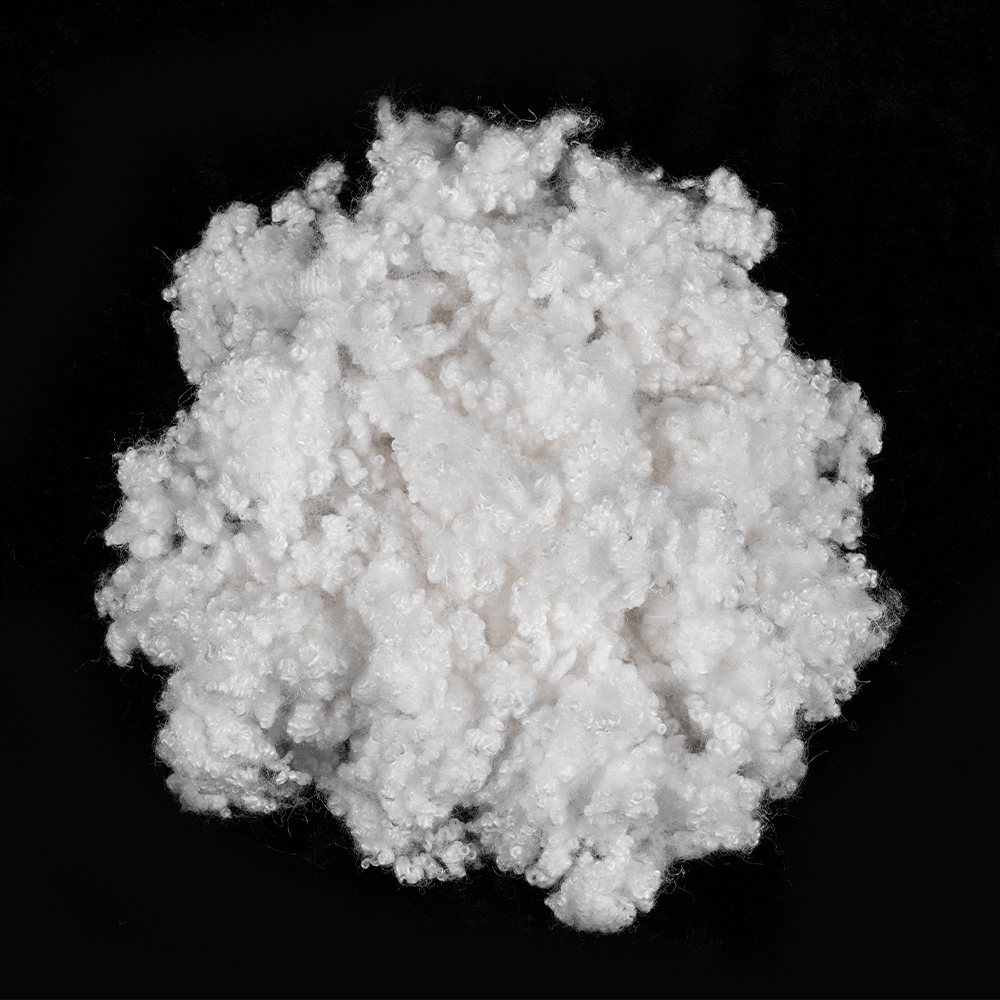
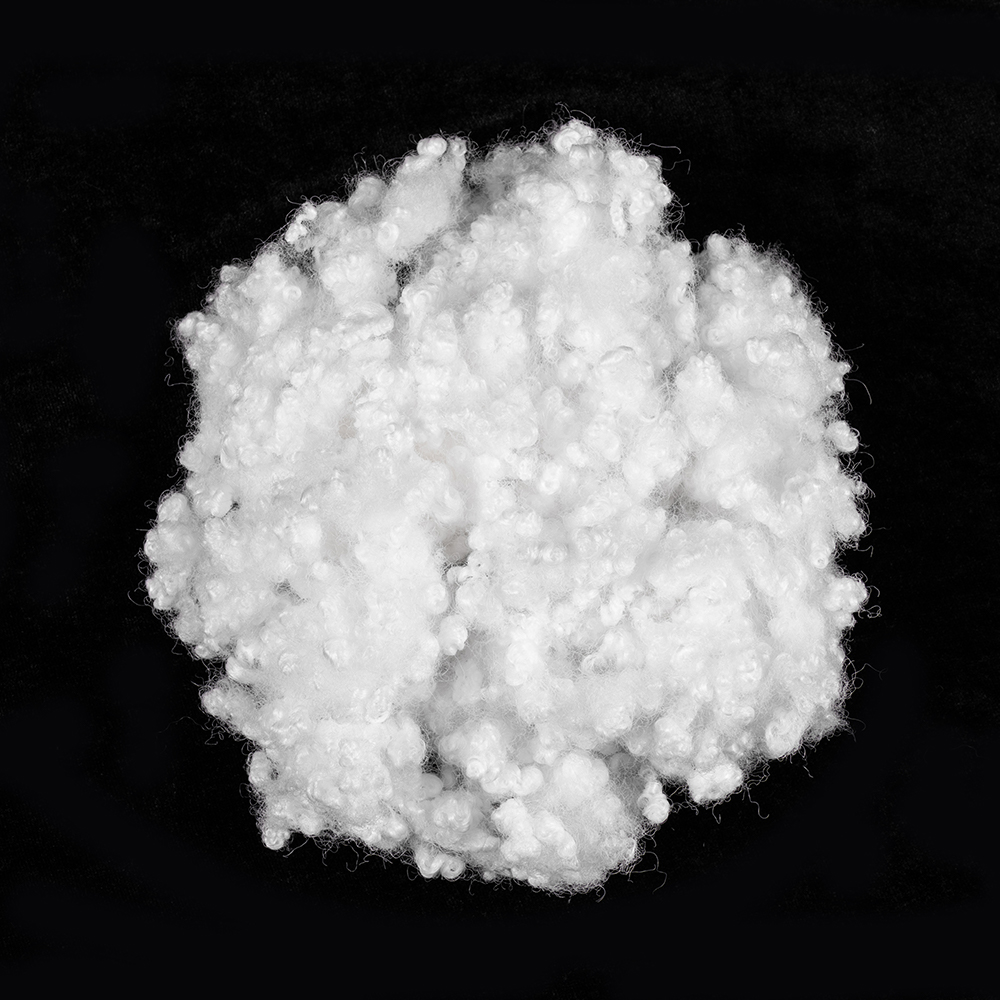
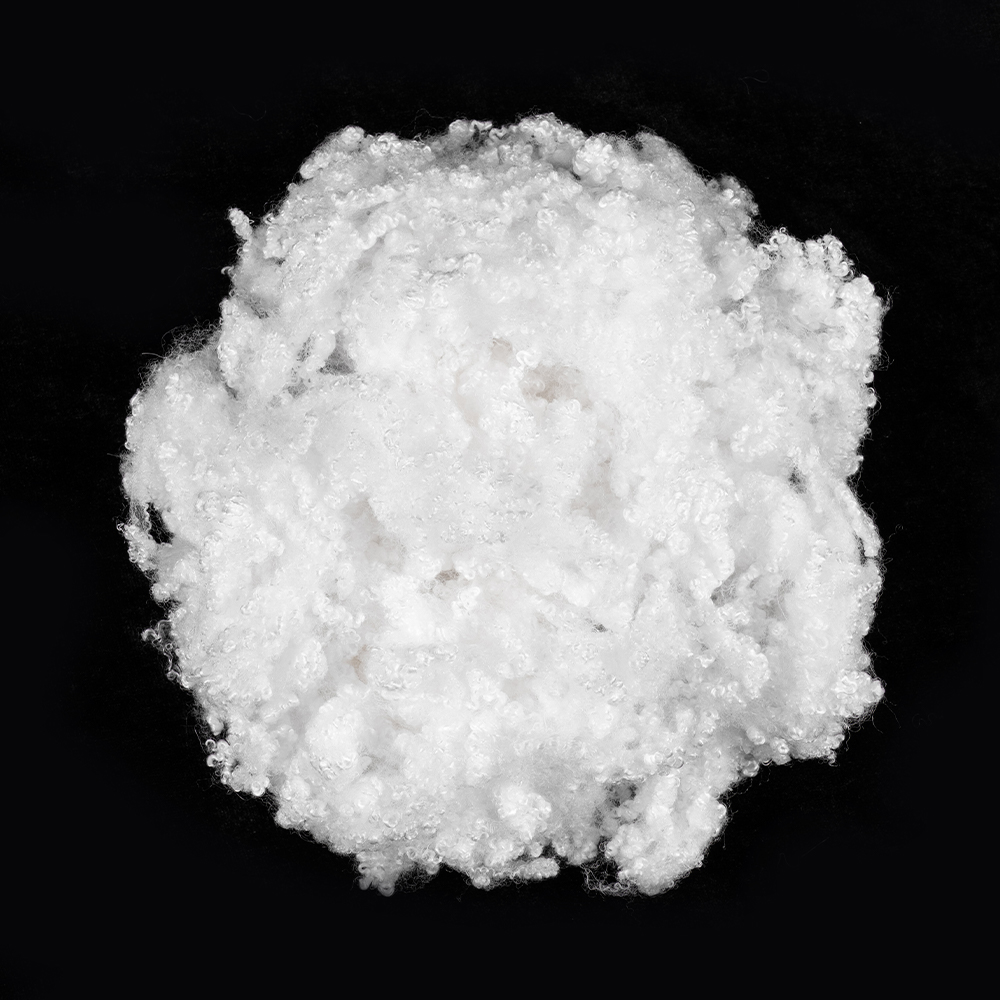
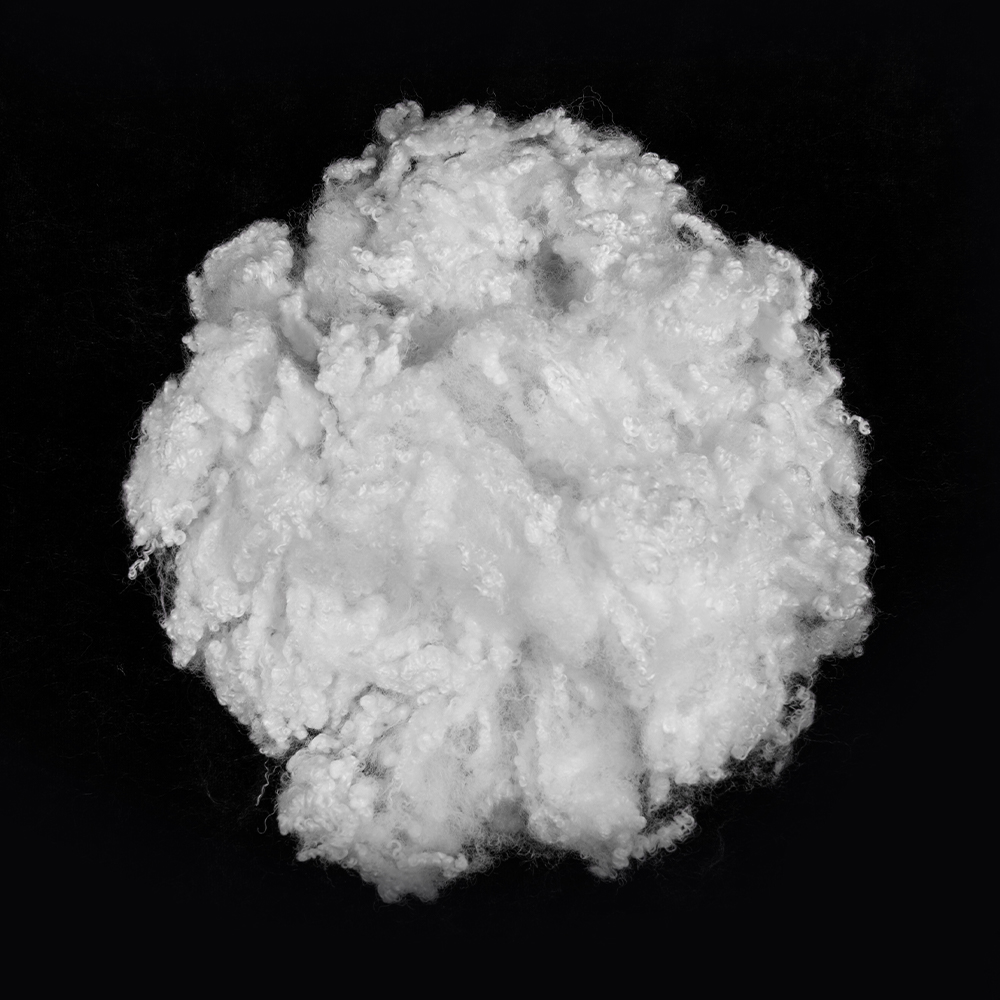
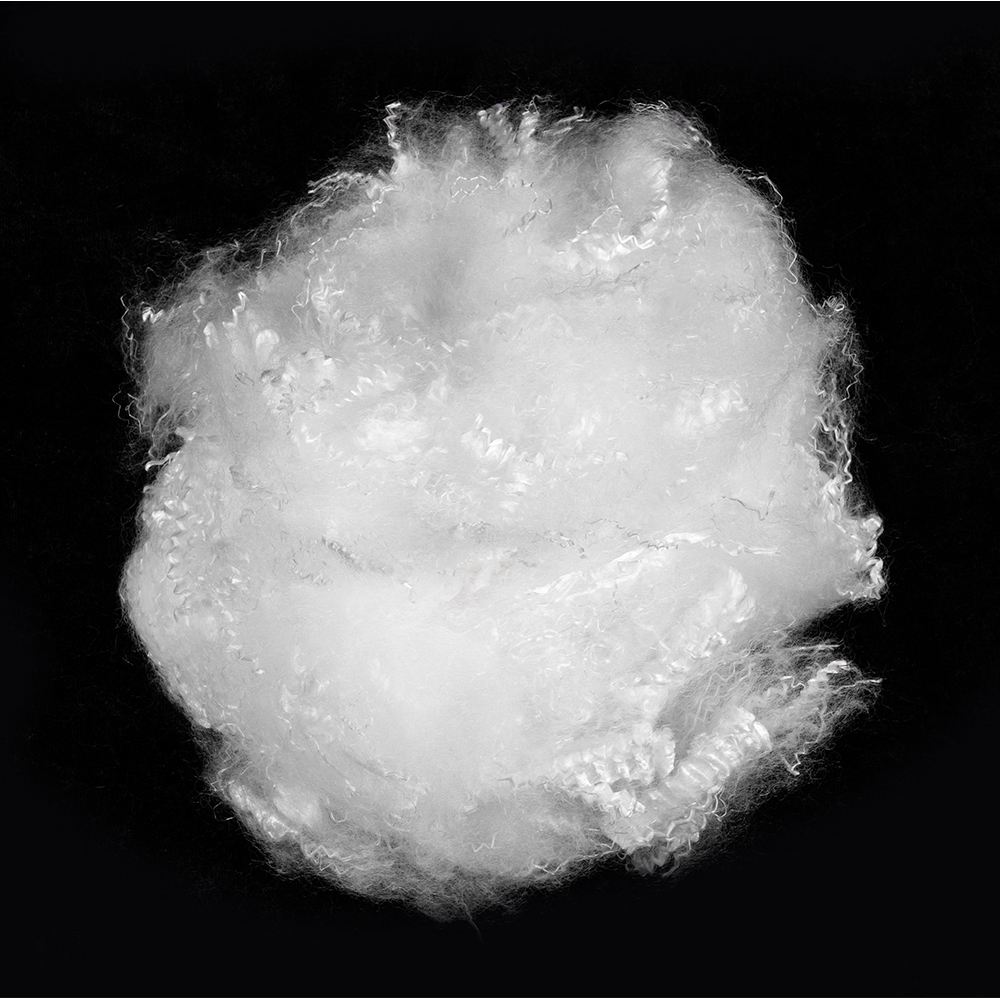
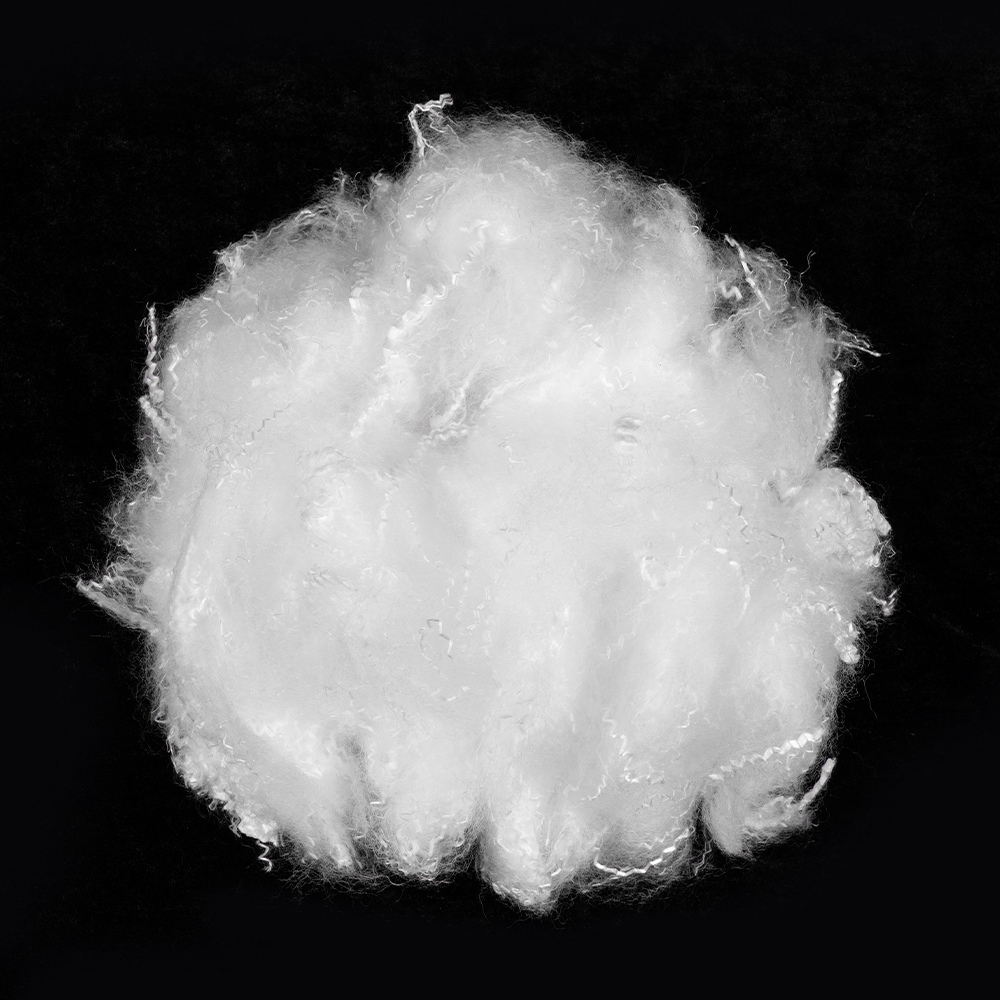
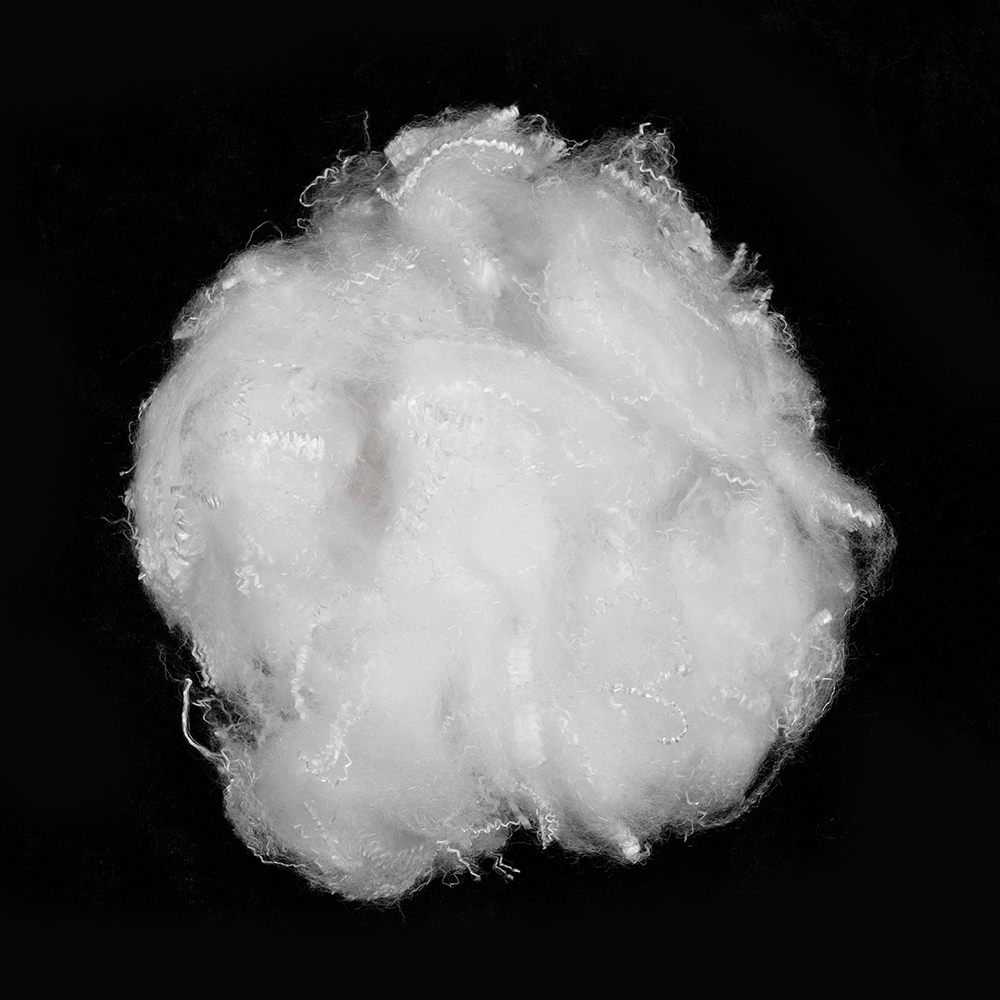
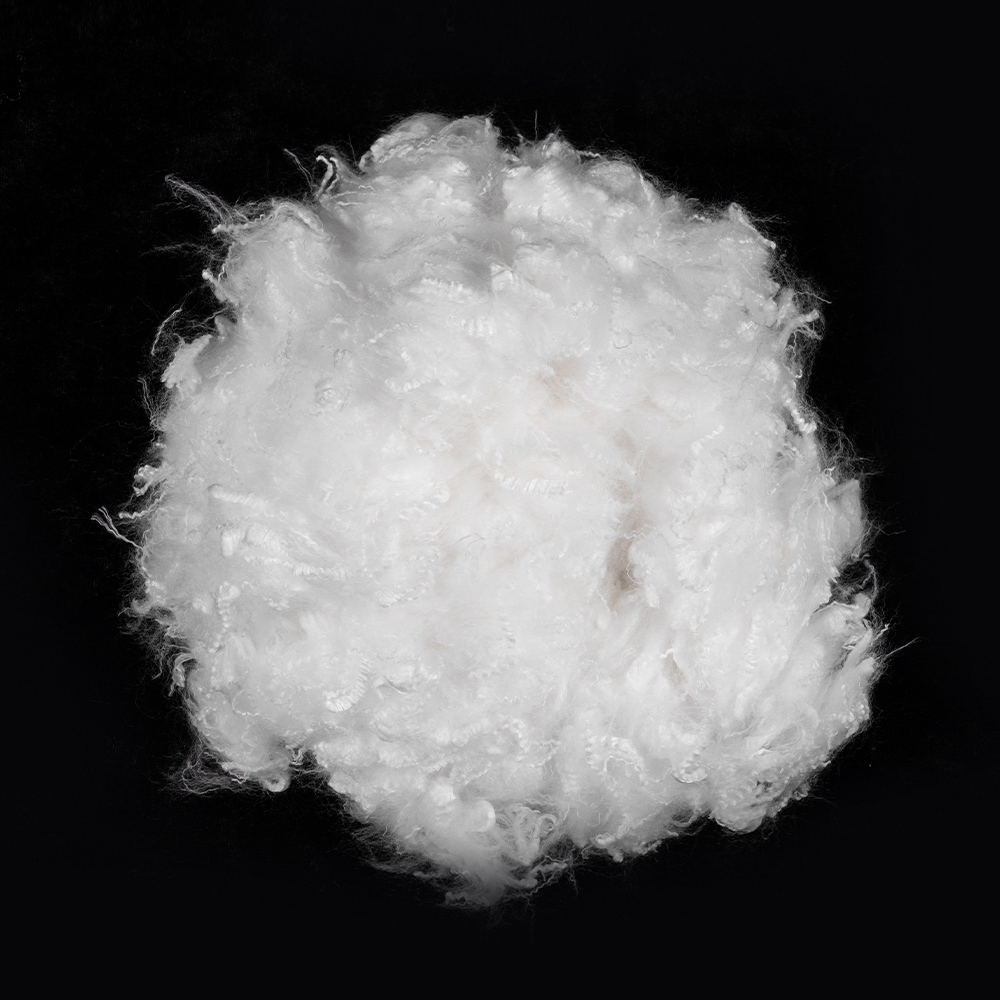
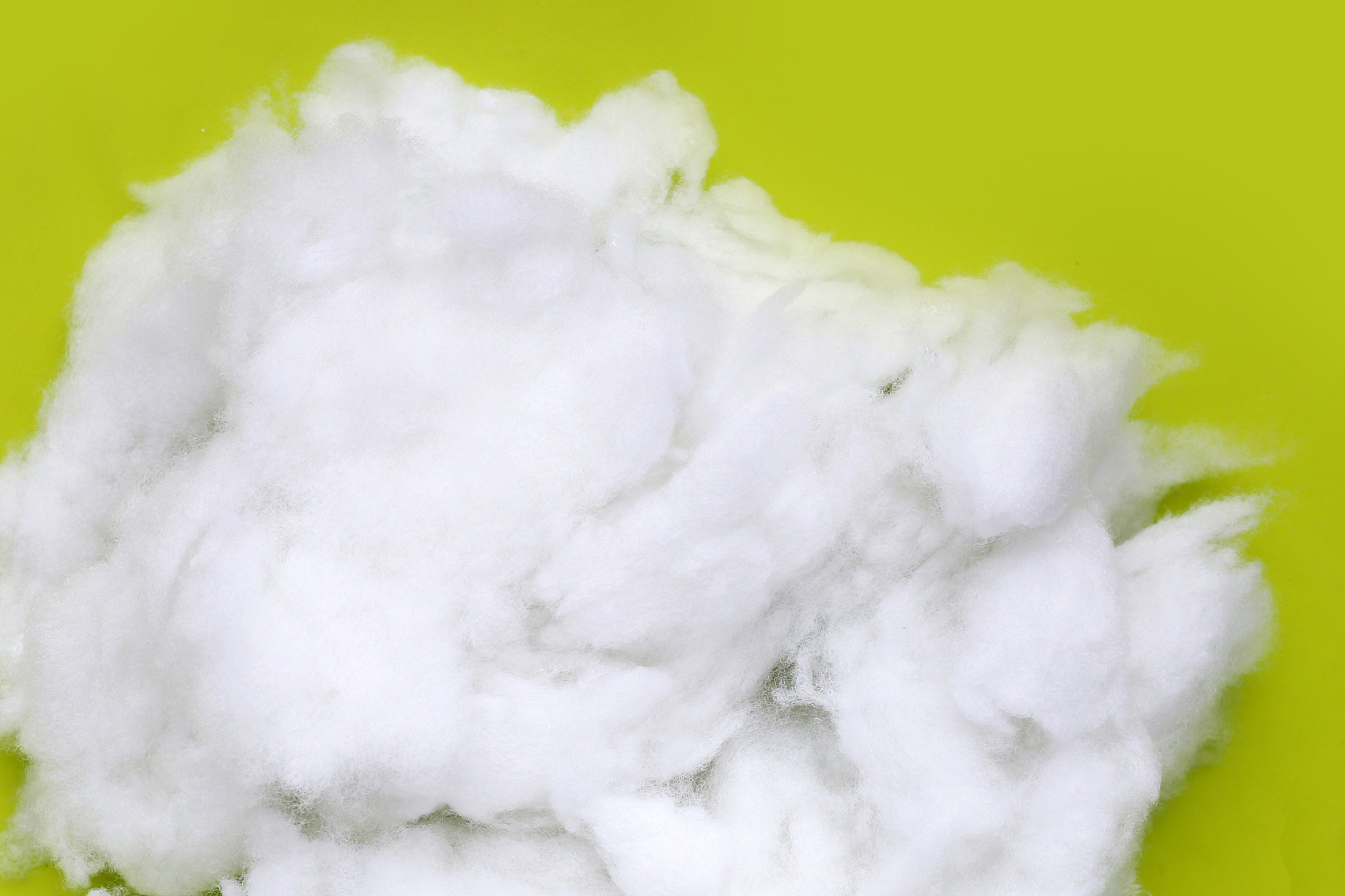
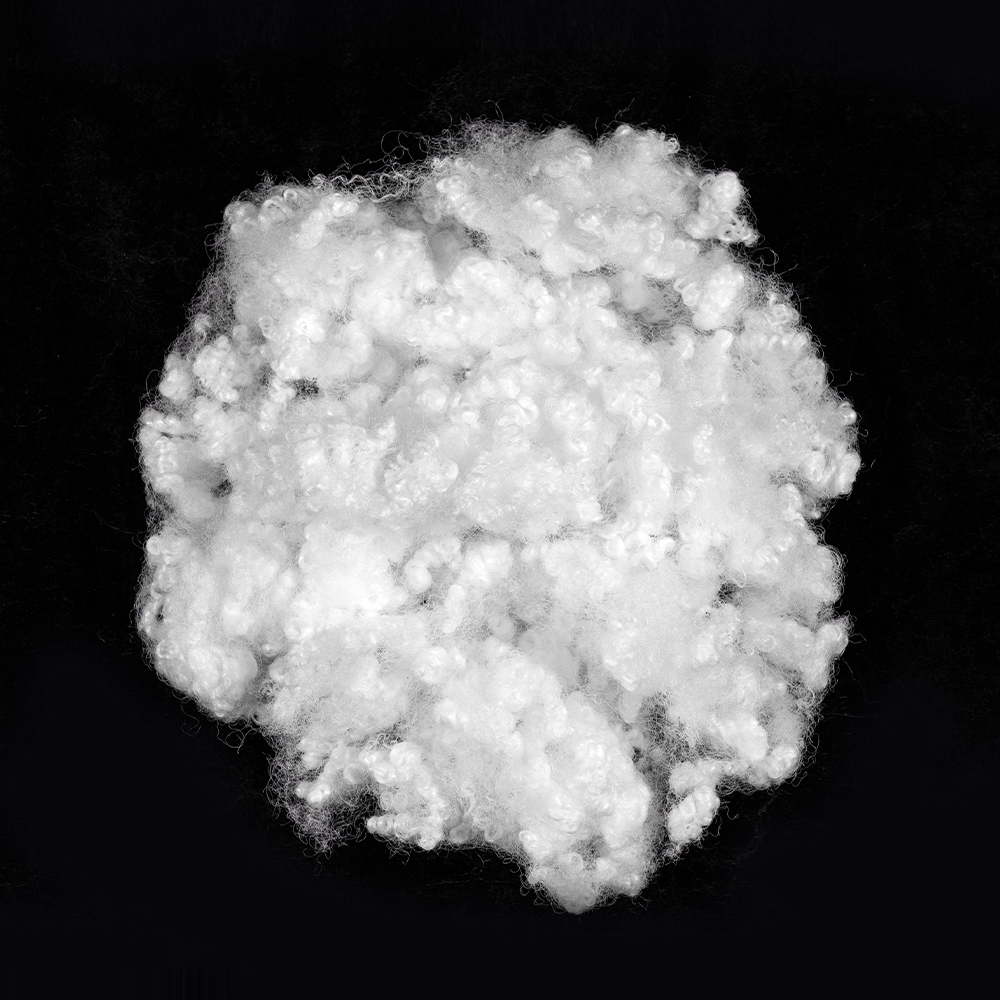
Polyester Staple Fiber (PSF) is produced from polyester chips through melting, spinning, stretching, and cutting processes...
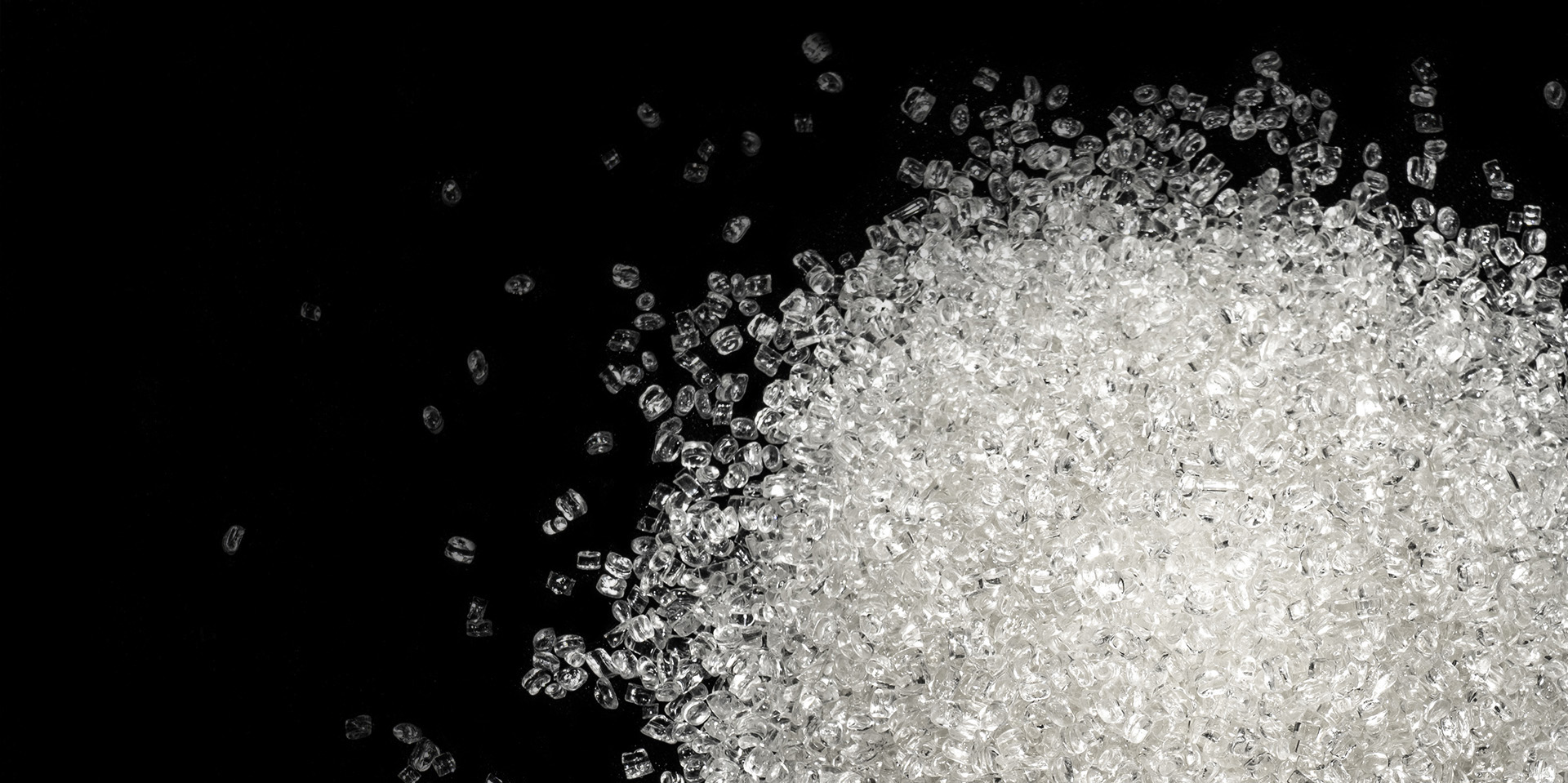
Polyester chips, made from PTA and EG, are the key raw material for polyester fibers, PET films, and bottles. They feature high...
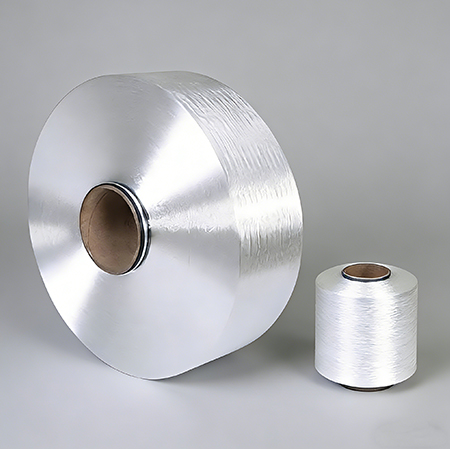
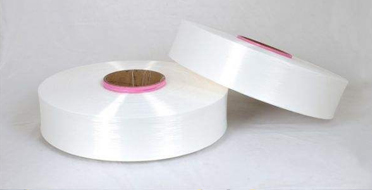
POY filament (Partially Oriented Polyester Yarn) is made from polyester chips through high-speed spinning. It features moderate... orientation
Building Area
Senior Talent
Company Area
Independent Patent
The genuine products all produced with dedication and innovation in our own factory.
3D HCS polyester staple fiber is a specialized filling material within the polyester fiber category. Its fine fiber diameter provides a soft touch, excellent loft, and moderate strength. This fiber is primarily used in high-end thermal insulation filling applications, including premium comforters, pillow cores, cushions, and throw pillows, as well as some high-end outdoor clothing fillings. Thanks to its inherent material properties, filling products made from this fiber are lightweight, warm, and breathable, meeting the demands of applications requiring a high level of user experience and making it suitable for various high-end filling scenarios that prioritize comfort and warmth.
7D HCS polyester staple fiber is a commonly used filling material in the polyester fiber system. Compared to 3D HCS polyester staple fiber, its fiber thickness is moderate, its strength is superior, and its durability is improved, while retaining good softness and loft. This fiber is suitable for general thermal filling applications, including mid-range quilts, sofas, pillow cores, and other home textile products, as well as the filling needs of ordinary cotton clothing and autumn/winter wear. It can also be used as filling material for plush toys, simultaneously meeting the dual requirements of softness and support in various application scenarios. It achieves a balance between cost control and soft comfort, making it suitable for various general-range filling products.
15D HCS polyester staple fiber is a filling and functional material in the polyester fiber series that emphasizes strength and durability. Its fiber diameter is relatively large, possessing high strength and excellent abrasion resistance, with outstanding support performance. Compared to 3D and 7D HCS polyester staple fibers, this fiber has relatively lower bulk and softness, and a stiffer feel. Its applications are wide-ranging. In the home furnishing sector, it can be used for filling products requiring a certain level of support and resilience, such as mattresses, sofas, and seats. In the automotive interior sector, it is suitable for seat fillings, sound insulation, and thermal insulation layers, where durability and resistance to deformation are required. In non-clothing thermal insulation applications, it is suitable for some outdoor gear and sleeping bags, where softness requirements are lower and support and durability are more important. It can also be used as an industrial filter material, sound-absorbing material, and thermal insulation material, meeting the core requirements of material strength and durability in relevant scenarios.
3D*64MM HC polyester staple fiber is a filling material that emphasizes fluffiness and warmth. Its fine fiber diameter provides superior cohesion and structural stability compared to similar silicone-containing products, allowing it to maintain its shape more effectively over time. This product retains the high loft and lightweight characteristics unique to 3D specification fibers, making it suitable for high-end insulation filling applications such as premium quilts, pillow cores, cushions, and other home textile products, as well as some high-end outdoor clothing fillings. While its softness and smoothness are slightly less than silicone-containing fibers, and its feel is firmer, this does not compromise its core warmth and fluffiness requirements, making it suitable for high-end filling applications that demand shape stability and cohesion.
7D*64MM HC polyester staple fiber is a conventional filling material that balances practicality and stability. With a moderate fiber thickness, it offers better cohesion compared to silicone fibers, resulting in a less deformable structure and superior durability. This product balances softness and support, exhibiting good loft while maintaining moderate strength. It is suitable for mid-range comforters, sofas, pillow cores, and other home textile fillings, as well as ordinary cotton clothing, autumn and winter wear, and plush toys. Compared to 3D specifications, it offers superior support and durability; compared to 15D specifications, it retains a gentler touch. While it feels slightly firmer and less smooth than silicone fibers, it strikes a balance between cost and performance, suitable for various conventional filling needs.
4D*64HMM polyester staple fiber is optimized using specific processes, making its fiber morphology more suitable for thermal bonding. While maintaining the advantages of moderate thickness of 4D and length of 64MM, thermal bonding efficiency and bonding strength are further improved. The product has a robust structure and outstanding durability, and its adhesive-free nature ensures environmental friendliness and health. Its applications focus on scenarios with dual requirements for production efficiency and product stability, including high-efficiency textile nonwoven fabric production, mass filling of large sofas and mattresses, and standardized component processing for automotive interiors, meeting the high-performance and environmental protection needs of large-scale production.
4D*51MM H polyester staple fiber, while maintaining the moderate thickness of the 4D specification, has optimized thermal bonding reaction characteristics, resulting in superior cohesion and structural stability. After processing with thermal bonding technology, the material exhibits higher bonding strength and further enhanced durability, with no adhesives added throughout the process, highlighting its environmentally friendly and healthy attributes. Its core applications include scenarios requiring high bonding strength, such as the production of high-strength textile nonwoven fabrics, filling load-bearing parts of sofas and mattresses, and structural components in automotive interiors that need to maintain their shape over long periods. It is suitable for applications with high standards of durability and environmental friendliness.
2D*51MM polyester staple fiber, characterized by its fine fiber structure, possesses excellent softness and conformability, making it suitable for thermal bonding processes. This product achieves a strong bond between materials through thermal bonding technology, eliminating the need for adhesives and combining environmental friendliness with durability. Its applications focus on fields requiring a certain level of softness, including the production of textile nonwovens, filling in home textile products, and partial filling in sofas and mattresses, as well as auxiliary materials for automotive interiors, where high material conformability is required.
Made with 1.2D*25MM polyester staple fiber, featuring ultra-fine fiber specifications, this product boasts a soft and smooth feel, offering a down-like tactile experience. It is suitable for filling high-end down jackets, comforters, pillows, and other premium bedding products. The short fiber length ensures even distribution after filling, conforming to the product's internal structure and providing a lightweight, comfortable feel while maintaining basic warmth, meeting the core requirement of high-end fillings for a delicate tactile experience.
I. Core Principles of POY Polyester Filament Production The essence of POY polyester filament production is to transform polyester chips (or melt after direct esterification) through a series of physicochemical processes such as melting, spinning, cooling, drawing, and winding, so that the polymer chains are transformed from a disordered state to a partially oriented ordered structure, ultimately forming fiber products with specific linear density, strength, elongation, and other indicators. The core principle lies in balancing the orientation and crystallinity of the fiber by precisely controlling parameters such as melt temperature, spinning speed, and cooling conditions—ensuring that the fiber has a certain strength and modulus while retaining sufficient elongation, providing good processing performance for subsequent texturing (such as DTY processing) or direct application. II. Mainstream Production Process Routes: Direct Spinning and Chip Spinning. Currently, the production of POY polyester filament is mainly divided into two major process routes. Among them, the direct spinning process has become the industry mainstream due to its advantages such as short process, low energy consumption, and stable product quality, and is especially widely used by large-scale enterprises. (I) Direct Spinning Process: A Mainstream Choice for High Efficiency and Energy Saving Direct spinning refers to the direct esterification and polymerization reaction of polyester raw materials (PTA and EG) to generate polyester melt, which is then directly produced into POY filaments through a spinning system. This eliminates the need for intermediate steps such as slicing, granulation, and drying. The core process includes six major steps: "esterification polymerization — melt conveying — spinning — cooling — drawing — winding." The representative technology is the "five-reactor" direct spinning polymerization process. Esterification and Polymerization: The Core Step in Melt Preparation This step involves mixing purified terephthalic acid (PTA) and ethylene glycol (EG) in a specific molar ratio and carrying out an esterification reaction under the action of a catalyst to generate ethylene terephthalate (BHET) monomer. Subsequently, the BHET monomer is fed into a polymerization reactor for polycondensation under high temperature and vacuum conditions, gradually forming a high-molecular-weight polyester melt. The advanced "five-reactor" polymerization process, through staged reaction control, can precisely adjust the viscosity and molecular weight distribution of the melt, ensuring uniform and stable melt quality. Its technological advancement surpasses some traditional international technologies, and it achieves annual energy savings of over 37% compared to similar imported equipment, aligning with the concept of green production. Melt Conveying and Filtration: The polymerized polyester melt is conveyed to the spinning box through insulated conveying pipelines (temperature controlled at 280-290℃). During this process, it undergoes a precision filtration device to remove minute impurities and gel particles from the melt, preventing clogging of the spinneret orifices and ensuring the continuity of the spinning process and the uniformity of the fibers. Spinning: The Key Step in Converting Melt into Filaments: The purified melt enters the spinning box, where it is precisely metered by a metering pump (controlling the flow rate consistency of each filament). It is then extruded through the tiny spinneret orifices (typically 0.2-0.4mm in diameter) of the spinneret, forming a continuous stream of melt. The number and diameter distribution of orifices in the spinneret directly determine the linear density and number of filaments in POY filaments, and can be flexibly adjusted according to product specifications (such as 150D/48F, 300D/96F, etc.). Cooling and solidification: The core control of filament formation. The molten stream extruded from the spinneret is extremely hot and must immediately enter the cooling chamber. Through side-blowing or ring-blowing, the molten stream is rapidly cooled to below its glass transition temperature, solidifying to form nascent fibers. The uniformity of cooling air velocity, temperature, and pressure is a key control point—excessive air velocity can cause filament vibration and poor cohesion, while insufficient air velocity will result in uneven cooling and inconsistent fiber thickness, directly affecting the product's breaking strength and elongation stability. Drafting and Oiling: After cooling, the nascent fibers are moderately drafted through a guide disc, causing the polymer chains to partially align along the fiber axis, thus increasing fiber strength. Simultaneously, a special spinning oil is evenly sprayed onto the filament surface through an oil nozzle, providing lubrication, antistatic properties, and improved cohesion, laying the foundation for subsequent winding and processing (such as texturing and weaving). The choice of oil needs to be adjusted according to the product's intended use; for example, POY used in high-end apparel fabrics requires a low-residue, environmentally friendly oil. Winding and Forming: The drafted and oiled filaments are finally wound into POY packages of a specific weight and forming quality using a winding machine. Winding speed is one of the core parameters in POY production, typically controlled between 3000-4000 m/min. Too high a speed will result in excessive fiber orientation and insufficient elongation, while too low a speed will affect production efficiency and fiber performance. Advanced winding equipment (such as the fully automated production line from Barmag in Germany) can achieve constant tension winding, ensuring uniform package density and no hard edges, facilitating subsequent processing. (II) Chip Spinning Process: Flexible Adaptation to Niche NeedsThe chip spinning process involves first processing polyester melt into polyester chips, drying them to remove moisture, and then feeding the dried chips into a spinning machine for melting and spinning, ultimately producing POY filament. The advantages of this process are its high flexibility, adaptability to small-batch, multi-specification production needs, and relatively low equipment investment; however, the process is longer, energy consumption is higher, and the chip drying effect directly affects the spinning quality, easily leading to problems such as breakage and fuzz. Currently, it is mainly used in the production of small and medium-sized enterprises or niche specifications. III. Key Technologies and Quality Control PointsThe production of POY polyester filament is a systematic project, requiring precise technical control and full-process quality management to ensure stable product performance. Melt Quality Control: Melt viscosity is monitored in real-time using an online viscosity monitoring system, and polymerization reaction parameters such as temperature and pressure are adjusted to ensure uniform molecular weight distribution in the melt. The purity of PTA and EG raw materials is strictly controlled (≥99.9%) to prevent impurities from affecting melt quality. Precise Control of Spinning Parameters: A DCS distributed control system (some companies use imported Japanese equipment) is adopted to achieve automated and precise control of key parameters such as spinning temperature, cooling air velocity, draw ratio, and winding speed, with errors controlled within ±1%, ensuring consistency in fiber linear density, strength, elongation, and other indicators. Equipment Precision Guarantee: The spinneret undergoes precision machining and polishing to ensure consistent spinneret orifice diameter and smooth inner walls. The guide disc and winding head of the winding machine require regular maintenance to prevent mechanical wear that could cause fluctuations in filament tension. Full-process testing: Multiple testing points are set up during the production process to monitor fiber linear density deviation, breaking strength, breaking elongation, and evenness in real time. Sampling testing is conducted on finished products before they leave the factory to ensure compliance with industry standards such as GB/T 14460-2017 "Polyester Filament". IV. Technological Advantages and Product Characteristics Advanced POY polyester filament production technology (especially direct spinning) endows the product with many core advantages: Stable performance: Through precise process control, the product's linear density deviation, strength, elongation, and other indicators fluctuate little, adapting to high-end processing needs; High added value: Differentiated products, such as flat yarns and differential shrinkage yarns, can be produced by adjusting spinning process parameters (such as spinneret shape and cooling conditions), possessing functional characteristics such as moisture absorption and wicking, warmth retention and anti-pilling, and unique luster; Energy saving and environmental protection: Direct spinning reduces energy consumption by more than 30% compared to chip spinning, with some advanced processes achieving annual energy savings of over 37%, and reducing pollutant emissions during chip granulation; Strong processing adaptability: The product has good cohesion and spinnability, and can be directly used for weaving, or processed into DTY polyester low-elasticity yarn, suitable for various applications such as high-end clothing fabrics, blankets, and carpets. V. Industry Development TrendsAs the textile industry transforms towards green, intelligent, and differentiated production, the POY polyester filament production process also exhibits three major development trends:* **Green Upgrading:** Further optimizing polymerization and spinning processes to reduce energy and water consumption; promoting environmentally friendly technologies such as solution dyeing and biodegradable polyester to reduce pollution emissions in subsequent processing stages;* **Intelligent Transformation:** Introducing technologies such as the Industrial Internet and AI visual inspection to achieve automated monitoring and intelligent control of the entire production process, improving production efficiency and product qualification rate;* **Differentiated Innovation:** Developing functional POY products (such as antibacterial, UV-resistant, and flame-retardant products) by developing new spinnerets and adjusting process parameters, expanding application scenarios in industrial textiles, high-end home textiles, and other fields. ConclusionThe POY polyester filament production process is an important manifestation of technological progress in the textile industry, embodying the wisdom of precision manufacturing in every step from raw materials to finished products. With continuous iteration and upgrading of process technology, POY polyester filament has not only made breakthroughs in performance but also continuously innovated in green and intelligent aspects, providing solid support for the high-quality development of the textile industry. In the future, enterprises that master core process technologies and have full-process quality control capabilities will occupy a dominant position in industry competition, driving POY polyester filament products towards higher quality, more functions, and greater environmental friendliness.
2025-12-05
In the fourth quarter of 2025, the domestic POY polyester filament market experienced a confluence of positive factors. Peak domestic demand, expanded export channels, and increased industry self-regulation combined to drive market inventory down to a low for the year, leading to a gradual recovery in corporate profitability. Simultaneously, against the backdrop of slowing industry capacity growth and continued consolidation, differentiation, green development, and intelligent transformation are becoming key directions for companies to build core competitiveness, and the industry is accelerating its transformation from scale expansion to high-quality development. The comprehensive surge in demand became the core driving force of the POY polyester filament market. Entering the fourth quarter, colder weather coupled with the launch of the Double Eleven e-commerce promotion led to a peak in orders in downstream sectors such as knitting. Inventories in warp knitting and circular knitting machines fell to low levels, and tight shipments directly boosted demand for POY polyester filament. The export market also achieved breakthrough growth. After India canceled BIS certification in early November, leading domestic filament manufacturers saw concentrated purchases of their POY products from Indian customers, resulting in a surge in orders, with some specifications even experiencing overselling. Previous data also confirms the market's enthusiasm. In the first half of 2025, my country's polyester filament exports reached 1.7652 million tons, a cumulative year-on-year increase of 14.18%, with POY, as the mainstream product, continuing to contribute to export growth. The optimized supply and demand structure directly drove the recovery of industry profitability. Industry monitoring data shows that the profit per ton of POY has recently stabilized at around 200 yuan/ton, escaping the profit pressure of some periods previously. Regarding inventory, as of the end of August 2025, the inventory days for POY products were only 17.8 days, a decrease of 5.2 days compared to the same period last year. This low inventory not only created room for companies to adjust prices but also supported the industry's operating rate to remain at a relatively high level of 89%, an increase of 4.7 percentage points year-on-year, demonstrating strong market resilience. While market sentiment is recovering, the structural reforms on the industry's supply side continue to deepen. After a period of rapid expansion, the growth rate of polyester filament production capacity has slowed significantly, plummeting to 2.35% in 2024. New capacity additions in 2025 were mainly concentrated in leading companies such as Tongkun and Xinfengming, with the industry's CR6 concentration reaching as high as 87%. The industry self-regulation mechanism led by these leading companies is showing increasing effectiveness. Through flexible adjustments to operating rates, it has effectively avoided vicious competition and driven a significant rebound in price spreads for mainstream products like POY from their 2023 lows. Even amidst fluctuations in international trade in the first half of the year, the industry maintained strong profitability resilience. Furthermore, the recent launch of new projects such as Xinjiang Zhongtai Polyester's 250,000-ton/year direct-spun polyester filament plant will further optimize the regional distribution of domestic production capacity through coordinated supply chain development. It is worth noting that differentiation and green technologies have become the core tracks for POY polyester filament companies to break through in the competitive landscape. The market demand for functional fabrics continues to rise. POY products, with their moisture-wicking, warmth-retaining, pilling-resistant, and stain-resistant properties, are highly favored by downstream high-end categories such as apparel and blankets. These high-value-added products are not only easy to dye and have stable colorfastness, but they can also partially replace imports, becoming an important driver of profit growth for enterprises. Green production has also become an industry consensus. For example, the direct esterification polymerization spinning process adopted by mainstream enterprises saves more than 37% energy annually compared to similar imported equipment. The application of clean technologies such as solution dyeing also makes POY products align with the trend of "green fiber" certification and meet the environmental protection needs of the global textile industry. Looking ahead, industry analysts believe that the POY polyester filament market will continue to benefit from the recovery of domestic and foreign demand and the optimization of the industry structure. However, the pace of new capacity commissioning and the sustainability of downstream autumn and winter orders still require close attention. In the future, companies that master core technologies, possess differentiated product matrices, and have green production capabilities will have a greater competitive advantage in the industry's transformation from "quantitative change" to "qualitative change."
2025-12-05
Ningbo Huaxing Technology Co., Ltd. 160,000-ton/year Melt-Spinning Differentiated Polyester Pre-Oriented (POY) Fine Denier Filament Production Line Technical Upgrade Project Environmental Impact Assessment Public Notice In accordance with the "Interim Measures for Public Participation in Environmental Impact Assessment" issued by the State Environmental Protection Administration and the "Measures for Environmental Protection Management of Construction Projects in Zhejiang Province," to enable various social organizations and the public to understand and participate in the environmental impact assessment of this project, the following public notice is hereby issued. Enterprises, institutions, social organizations, and the general public are welcome to provide valuable opinions and suggestions on the environmental protection issues of this project. I. Project Construction Overview 1. Project Name: Upgrading Project for a 160,000-ton/year Melt-Spinning Differentiated Polyester Pre-Oriented (POY) Fine Denier Filament Production Line 2. Construction Unit: Ningbo Huaxing Technology Co., Ltd. 3. Construction Location: Haidianrong Village, Longshan Town, Ningbo City, Zhejiang Province 4. Construction Scale and Content: Ningbo Huaxing Technology Co., Ltd. plans to invest RMB 86.5 million to acquire 19,109 m² of new land north of its existing plant in Haidianrong Village, Longshan Town, Cixi City. The project will construct a new plant with a total building area of 29,356.38 m², adding one set of continuous melt-spinning polymerization equipment for polyester, four melt-spinning polyester staple fiber pre-spinning lines, five polyester staple fiber post-spinning lines, and supporting auxiliary production equipment and utilities. The project will implement a upgrading project for a 160,000-ton/year melt-spinning differentiated polyester pre-oriented (POY) fine denier filament production line. 5. Total Project Investment: The total project investment is 86.5 million yuan, with 81.5 million yuan in fixed assets and 5 million yuan in working capital. II. Pollution Source Generation and Control Measures: 1. Waste Gas 1) PTA Feeding Dust The main pollutant is particulate matter, which is collected, treated by a bag filter, and then discharged through a 15m high exhaust stack. 2) Polyester Process Waste Gas, EG Storage Tank Breathing Waste Gas, and Wastewater Treatment Plant Waste Gas Polyester process waste gas includes catalyst and slurry preparation waste gas, EG/H2O separation tower waste gas, stripping tower tail gas, liquid ring vacuum pump I tail gas, liquid ring vacuum pump II tail gas, and vacuum liquid seal tank and hot well waste gas. The main pollutants are acetaldehyde, ethylene glycol, and non-methane total hydrocarbons. The main pollutant in EG storage tank breathing waste gas is ethylene glycol. The main pollutants in the wastewater treatment plant's exhaust gas are acetaldehyde, ethylene glycol, H2S, and NH3. These gases are incinerated at the existing heat transfer station and then discharged through a 45m high exhaust stack. 3) Organic waste gas from the pre-spinning workshop and oily waste gas from the post-spinning workshop The main pollutant is non-methane total hydrocarbons. After collection, they are treated by a water spray + electrostatic precipitator and then discharged through a 15m exhaust stack, totaling two sets. 4) Exhaust gas from the heat transfer circulation system The main pollutant is non-methane total hydrocarbons. This is addressed by enhancing forced ventilation in the workshop. 2. Wastewater The wastewater from this project mainly consists of process wastewater, auxiliary facility drainage, and domestic sewage. High-concentration wastewater, such as EG/H2O separation tower drainage, is pretreated in an air stripping tower. Wastewater from the polyester unit's air stripping tower, filter cleaning, polyester workshop floor flushing, oil tank wastewater, spinning assembly cleaning, spinning workshop floor flushing, post-spinning extension wastewater, spinning workshop air conditioning drainage, domestic sewage, initial rainwater, circulating water system drainage, and concentrated wastewater from the demineralization station are all treated at the plant's wastewater treatment station to meet the direct discharge limits in Table 1 of the "Emission Standard of Pollutants for Synthetic Resin Industry" (GB31572-2015) before being discharged into the municipal sewage network. Finally, it is treated at the Cixi Eastern Wastewater Treatment Plant before being discharged. Chemical oxygen demand (COD), ammonia nitrogen, total nitrogen, and total phosphorus comply with Table 1 of the "Emission Standard of Major Water Pollutants for Urban Wastewater Treatment Plants" (DB33/2169-2018), while other water pollutant control items comply with the Class A standard of the "Emission Standard of Pollutants for Urban Wastewater Treatment Plants" (GB18918-2002). 3. Solid Waste The solid waste from this project mainly consists of esterified and oligomer slurries, PET melt and waste blocks, waste filter cartridges, waste oil agents, spinning waste and waste fibers, component cleaning and calcination slag, waste heat transfer fluid, waste packaging materials, sewage sludge, and domestic waste. Esterified and oligomer slurries, waste oil agents, component cleaning and calcination slag, and waste heat transfer fluid are classified as hazardous solid waste and will be entrusted to qualified units for harmless disposal. General solid waste will be sold to relevant recycling units for comprehensive utilization, and domestic waste will be entrusted to the sanitation department for timely collection and disposal. 4. Noise The noise pollution sources of the polyester and spinning units in this project are mainly the noise from the polyester workshop, spinning equipment, power station, air compressors, and other equipment. To ensure that noise levels meet standards, the following prevention and control measures are adopted: ① Strictly adhere to the "Design Code for Noise Control of Industrial Enterprises" during the design phase; during the equipment procurement stage, pay attention to selecting advanced low-noise power equipment to reduce the intensity of noise sources. ① For example, low-noise explosion-proof YB series motors should be selected for all pumps and motors; ② In the overall layout, the principle of "separating noisy and quiet areas" should be adopted for reasonable arrangement, and high-noise equipment should be placed on the north side of the plant area as much as possible, away from residential areas on the south side; ③ Silencing and sound insulation measures should be taken for high-noise equipment. Existing heat medium boilers and integrated power stations should be enclosed by solid walls at the plant boundary; silencers should be installed on existing heat medium boiler fans; pumps, fans, and other equipment in the sewage treatment plant should be placed in soundproof rooms with good sound insulation. If outdoor installation is necessary, soundproof covers or silencers should be installed on the noisy equipment; ④ Regulate valves and variable frequency speed control motors should be selected reasonably to avoid high noise caused by excessive voltage drop; ⑤ Strengthen daily equipment maintenance to ensure good equipment operation and avoid high noise caused by abnormal equipment operation. After taking the above measures, the noise at the plant boundary of this project can meet the Class 3 and Class 2 standards of the "Emission Standard for Industrial Enterprises Noise at Boundary" (GB12348-2008), and the impact on the surrounding acoustic environment is minimal. III. Potential Environmental Impacts of the Project 1) According to the prediction results, after the implementation of this project, the maximum hourly ground-level concentrations of acetaldehyde, non-methane hydrocarbons, and ethylene glycol at all points of interest and grid points will meet the standards after overlaying background levels. Specifically, the maximum ground-level concentrations of acetaldehyde will meet the standard at 77.85%, non-methane hydrocarbons at 4.21%, and ethylene glycol at 5.26%. After overlaying, the daily and annual average concentrations of PM10 at all points of interest and grid points will meet the standards, with no exceedances. The daily average PM10 concentration at the maximum ground-level concentration in the region will meet the standard at 0.33% and the annual average at 0.14%, indicating a relatively small overall impact. 2) High-concentration wastewater, such as EG/H2O separation tower drainage, is pretreated by an air stripping tower. Wastewater from the polyester unit's air stripping tower, filter cleaning, polyester workshop floor flushing, oil tank wastewater, spinning component cleaning, spinning workshop floor flushing, post-spinning extension wastewater, spinning workshop air conditioning drainage, domestic sewage, initial rainwater, circulating water system drainage, and concentrated water from the demineralization station are all treated at the plant's wastewater treatment station to meet the direct discharge limits in Table 1 of the "Synthetic Resin Industry Pollutant Discharge Standard" (GB31572-2015) before being discharged into the municipal sewage network. Finally, it is treated at the Cixi Eastern Wastewater Treatment Plant before discharge. Chemical oxygen demand (COD), ammonia nitrogen, total nitrogen, and total phosphorus comply with Table 1 of the "Major Water Pollutant Discharge Standard for Urban Wastewater Treatment Plants" (DB33/2169-2018), while other water pollutant control items comply with the Class A standard of the "Urban Wastewater Treatment Plant Pollutant Discharge Standard" (GB18918-2002). 3) The noise generated by this project contributes to the plant boundary in a manner that generally meets the Class 3 and Class 2 standards of the "Emission Standard for Industrial Enterprises Noise at Boundary" (GB12348-2008). 4) After harmless treatment and reasonable utilization, the solid waste from the project will meet relevant regulatory requirements and will not cause secondary pollution, resulting in minimal environmental impact. 5) Environmental Risk Assessment: ① The butanol, xylene, and butyl acetate involved in this project are flammable, explosive, or toxic and hazardous substances, posing certain potential dangers. ② The construction project carries certain potential accident risks. The construction unit must strengthen risk management in accordance with the relevant management requirements for major hazard sources and earnestly implement various risk prevention measures, minimizing the probability of risk occurrence through appropriate technical means. In the event of a risk accident, the emergency response plan should be activated immediately to evacuate personnel from the pollutant hazard area within a short period of time, effectively controlling the accident. Under the condition of strengthened risk management and ensuring the implementation of environmental risk prevention measures and emergency response plans, the project's site selection and construction are acceptable from an environmental risk perspective. IV. Key Environmental Impact Conclusions of the Project: The Ningbo Huaxing Technology Co., Ltd.'s 160,000-ton/year melt-spun differentiated polyester pre-oriented (POY) fine denier filament production line upgrade project is located in Haidianrong Village, Longshan Town, Ningbo City, Zhejiang Province. The project site selection complies with the Cixi City "Three Lines and One List" ecological environment zoning control plan requirements; the project complies with national and Zhejiang Province industrial policies, and the adopted processes and equipment meet clean production requirements; pollutant emissions meet pollutant emission standards and major pollutant emission total control indicators. Based on the predicted results, the environmental impact of this project basically meets the environmental quality requirements determined by the environmental functional zoning of the project location; from an environmental perspective, the implementation of this project at this site is feasible. V. Methods and Time Limits for Public Access to the Simplified Environmental Impact Report Within ten working days from the date of this announcement, the public may request a simplified version of the report directly from the environmental impact assessment (EIA) unit or the construction unit. If the public has any opinions on environmental protection aspects of the construction project, they may submit them to the local environmental protection authority, the construction unit, or the EIA report preparation unit within ten working days from the date of this announcement. Written opinions may also be copied to the environmental protection administrative department responsible for approving the construction project. VI. Scope and Main Issues for Public Consultation Public participation in this project's EIA will solicit opinions and suggestions from representatives of citizens, legal persons, or other organizations within the project's assessment scope. The main content of the public consultation includes major environmental issues of public concern, the potential impacts of the project construction on the surrounding environment, and other opinions or suggestions regarding the project's environmental protection work. VII. Specific Forms for Soliciting Public Opinions After the release of this EIA information, the public can submit opinions or suggestions to the construction unit and the EIA unit via telephone, email, or letter. VIII. Public Comment Period The public can submit their opinions from August 19, 2021 to September 1, 2021 (a period of 10 working days). IX. Contact Information Construction Unit: Ningbo Huaxing Technology Co., Ltd. Contact Person: Chen Bisheng Contact Number: 15212048288 Environmental Impact Assessment Unit: Zhejiang Renxin Environmental Science Research Institute Co., Ltd. Contact Person: Engineer Ding Contact Number: 0574-55000320 Announcement Issuing Unit: Ningbo Huaxing Technology Co., Ltd. Announcement Date: August 19, 2021
2021-08-20
Ningbo Huaxing Technology Co., Ltd.'s new website is now live! Thank you for browsing!
2018-12-19
In 2012, the company invested over 300 million RMB to upgrade its production lines, achieving an annual production capacity of 160,000 tons of high-quality POY pre-oriented polyester filament. The production line adopted the domestically leading and internationally advanced direct esterification "five-reactor" polymerization and spinning process from the China Textile Industry Design and Research Institute, a process superior to that of DuPont (USA) and Gemma (Germany). Spinning and winding equipment were imported from Barmag (Germany) with fully automated production lines, resulting in product quality exceeding industry standards. The company offers a complete range of product specifications, currently including nearly 20 types of conventional and flat yarns. Currently, all of the company's products are produced using the advanced direct esterification "five-reactor" polymerization and spinning process, which is energy-saving and environmentally friendly (saving over 37% more energy annually than similar imported equipment). The production process utilizes a Japanese-imported, internationally advanced DCS distributed control system, ensuring a high degree of automation and stable product quality and performance indicators.
2018-10-29
Our company primarily produces POY polyester filament, a new, differentiated, functional, high-value-added, and stable high-end product that can partially replace imports. Fabrics processed from our POY polyester filament have a smooth hand feel, good drape, excellent moisture absorption and wicking properties, warmth retention, high pilling resistance, and stain resistance. Furthermore, the fabrics are easy to dye, have stable colorfastness, and possess a unique luster. Our products are widely used in high-end garment fabric processing and are also ideal raw materials for high-end blankets and carpets.
2018-10-29E-mail:
[email protected]Phone:
+86-130 8198 6637Tel:
+86-0574-63732888Address:
Chemical Fiber Factory: Haidianrong Village, Longshan Town, Cixi City, Ningbo, Zhejiang Province, China. Dyeing and Printing Factory: No. 188, Cidongbei Avenue, Binhai Economic Development Zone, Cixi City, Ningbo, Zhejiang Province, China.