

 中文简体
中文简体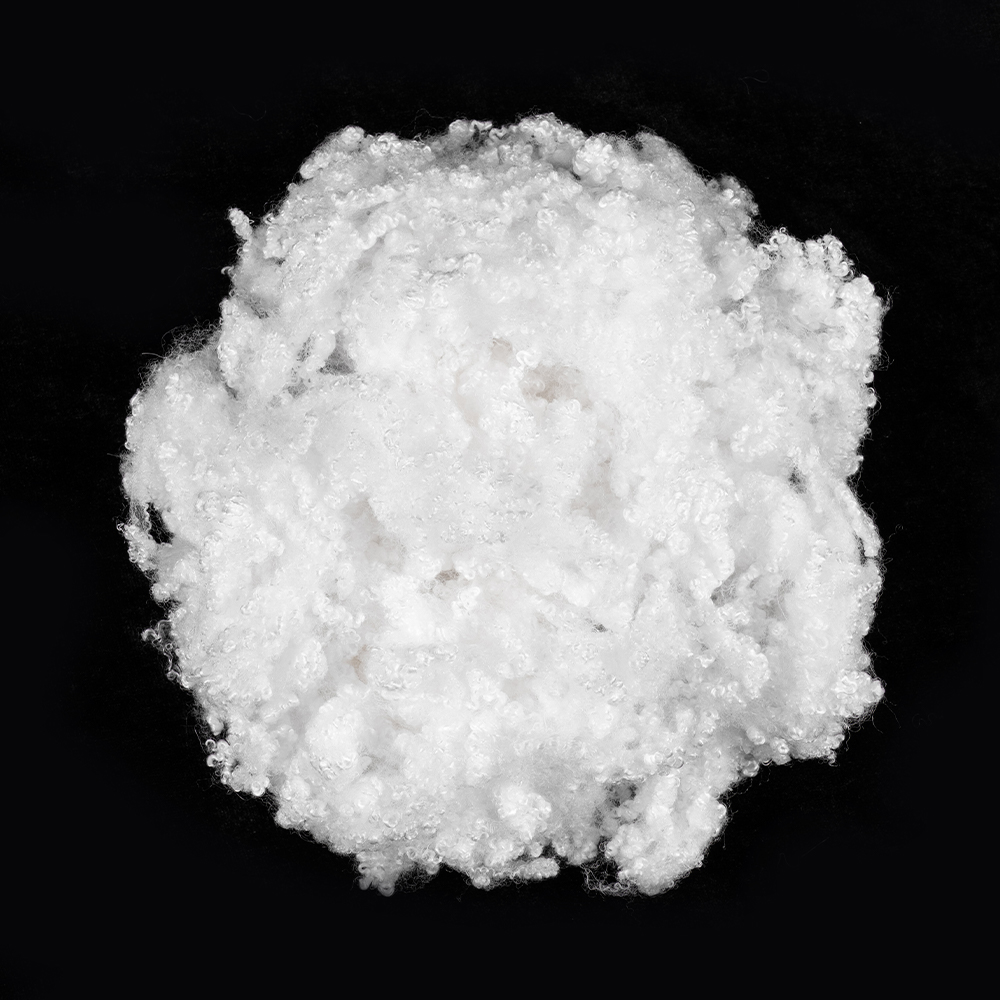
A European knitwear buyer receives 4,000 pieces of 320 gsm cotton-polyester fleece. Three home launderings at 40 °C later, the cuffs and underarm areas show visible pills. The dyehouse blames the softener, the spinner blames the yarn count, and the brand asks for a root-cause report. In most of these reviews, the answ...
READ MORE-
 Welcome to Huaxing Technology
-
 Email us: [email protected]

Non-silicone Oil Hollow Conjugated Polyester Staple Fiber
Home / Products / Polyester Staple Fiber / Hollow Conjugate Fiber Polyester Staple Fiber / Non-silicone Oil Hollow Conjugated Polyester Staple Fiber
HC Polyester Staple Fiber Manufacturer
About Us
Ningbo Huaxing Technology Co., Ltd.
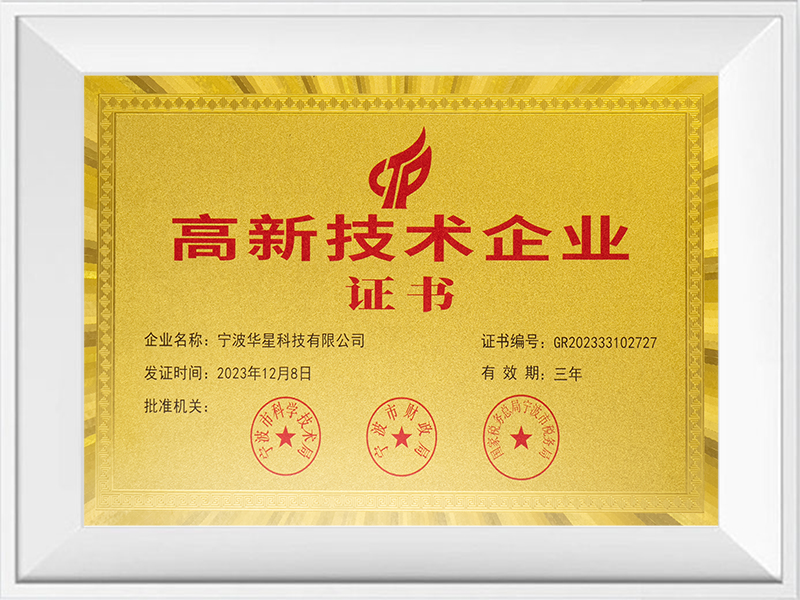
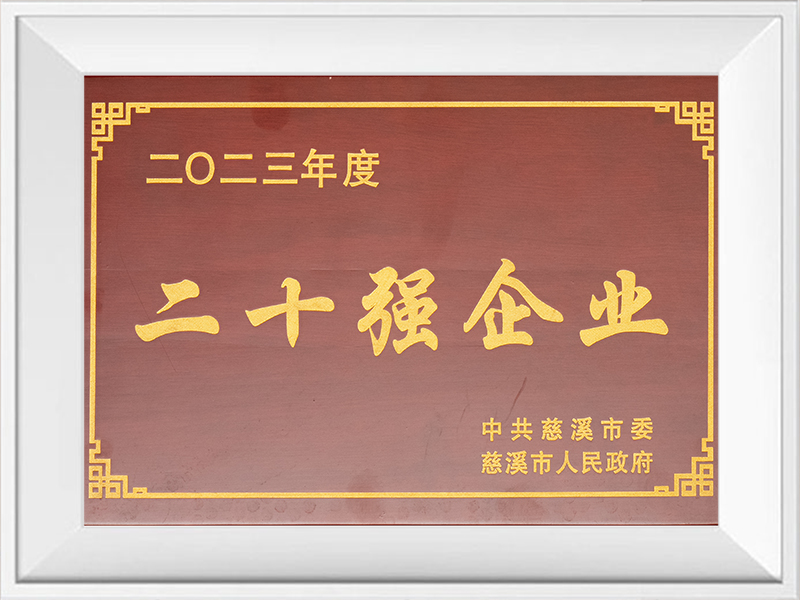
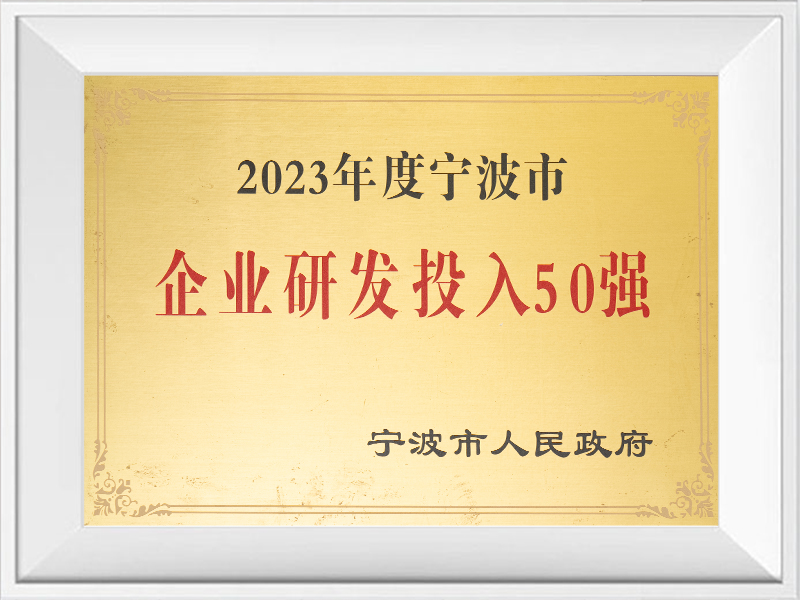
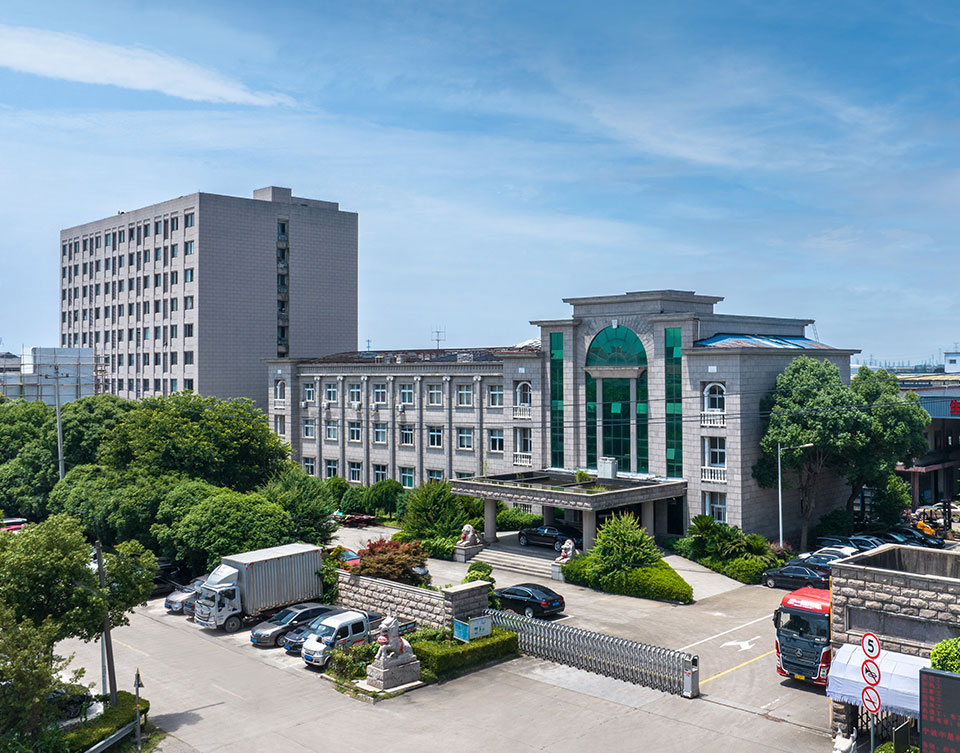
Formerly known as Ningbo Huaxing Tire Co., Ltd., the company was established in July 2001. It covers an area of ??185,000 square meters, with a building area of ??186,000 square meters. The factory area is shaded by trees and boasts a beautiful environment. The company currently holds 9 independent patents and has an engineering technology center. It is a Ningbo municipal-level science and technology enterprise with strong technological innovation capabilities, and is also a demonstration enterprise for information technology construction in Cixi City. The company has scientific and standardized management and more than 20 senior talents in various fields. In 2014, the company's sales bucked the trend and exceeded 1 billion yuan.
Our company is a China HC Polyester Staple Fiber Manufacturer and Non-silicone Oil Fiber Company, primarily produces POY polyester filament, a new, differentiated, functional, high-value-added, and stable high-end product that can partially replace imports. Fabrics processed from our POY polyester filament have a smooth hand feel, good drape, excellent moisture absorption and wicking properties, warmth retention, high pilling resistance, and stain resistance. Furthermore, the fabrics are easy to dye, have stable colorfastness, and possess a unique luster. Our products are widely used in high-end garment fabric processing and are also ideal raw materials for high-end blankets and carpets.
In 2012, the company invested over 300 million RMB to upgrade its production lines, achieving an annual production capacity of 160,000 tons of high-quality POY pre-oriented polyester filament. The production line adopted the advanced direct esterification "five-reactor" polymerization and direct spinning process from the China Textile Industry Design and Research Institute, a technology superior to that of DuPont (USA) and Gemma (Germany). Spinning and winding equipment were imported from Barmag (Germany) with fully automated production lines, ensuring product quality exceeding industry standards. The company offers a complete range of product specifications, currently including nearly 20 types of conventional and flat yarns.
Certificate Of Honor
Message Feedback
News
-
-
Most filling specifications are one line long: 7D hollow conjugate, 64 mm cut, silicone treated. When a bedding or furniture brand replaces that line with a recycled-content equivalent, loft, hand feel and compression recovery barely move. What changes is the documentation sitting behind the material. That is where an...
READ MORE -
Squeeze a quilted comforter between both hands. If the surface feels slick and the batt returns slowly and flat, the filling was chosen on price rather than on tactile performance. Most polyester fillings lose a blind hand test against down for three predictable reasons: the fibers are too thick to bend softly, the ho...
READ MORE
Non-silicone Oil Hollow Conjugated Polyester Staple Fiber Industry knowledge
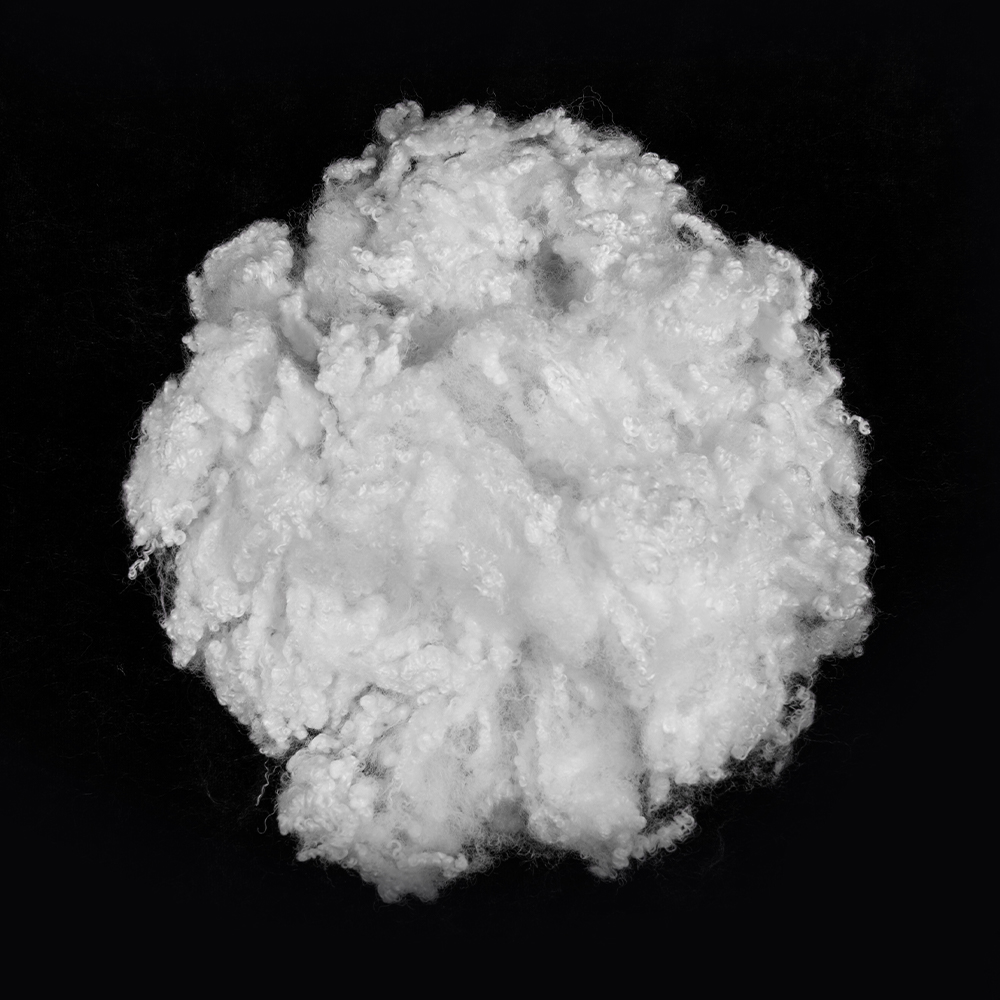
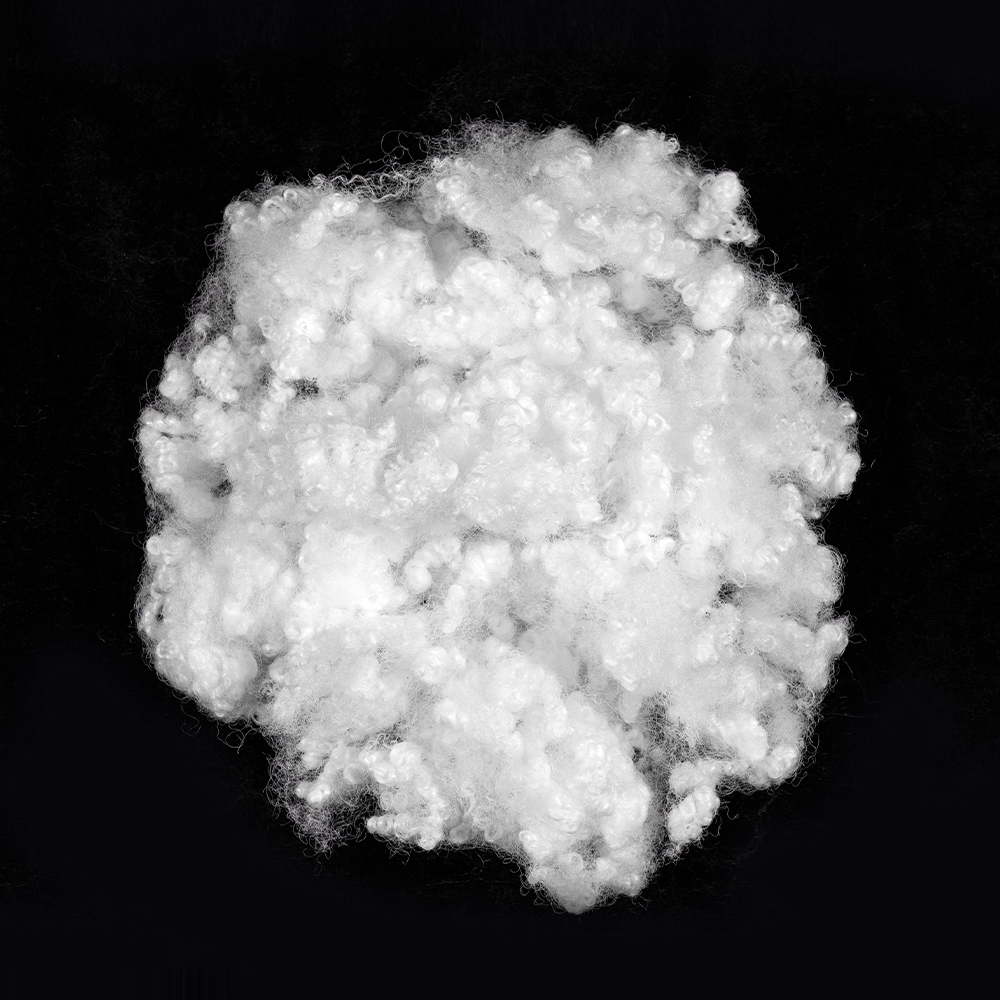
HC Polyester Staple Fiber (non-silicone oil hollow conjugated polyester staple fiber) represents a critical category in the filling materials sector, with its core positioning centered on achieving high loft and thermal insulation through hollow conjugated structure while ensuring superior cohesion and structural stability via non-silicone oil processing. The product series encompasses three mainstream specifications: 3D×64MM, 7D×64MM, and 15D×64MM, serving diverse applications spanning premium home textile fillings, garment insulation layers, furniture upholstery, automotive interiors, and industrial filtration media. Ningbo Huaxing Technology Co., Ltd., as a specialized manufacturer in this field, leverages a modern production line with an annual capacity of 160,000 tons to deliver consistently high-quality HC Polyester Staple Fiber solutions to global customers.
Technical Advantages and Differentiated Positioning of Non-Silicone Oil Process
Compared to conventional silicone oil-treated fibers, HC Polyester Staple Fiber adopts a non-silicone oil processing route, which has been systematically implemented across Ningbo Huaxing Technology Co., Ltd.'s production infrastructure. The fundamental advantage of non-silicone oil fibers lies in the rational control of inter-fiber friction coefficients, enabling fiber bundles to form more tightly entangled structures after filling, thereby significantly enhancing the product's resistance to deformation. Based on practical application feedback, non-silicone oil processed fibers demonstrate substantially superior resilience retention rates after prolonged use compared to silicone oil-treated alternatives, a characteristic particularly critical for furniture filling scenarios such as mattresses and sofas that undergo frequent compression cycles.
From a structural perspective, the hollow conjugated cross-sectional design creates stable air cavities within individual fibers. With air thermal conductivity at merely 0.026 W/(m·K), significantly lower than solid material heat transfer efficiency, Ningbo Huaxing Technology Co., Ltd.'s HC Polyester Staple Fiber achieves an excellent balance between thermal insulation performance and mechanical strength through precise hollow ratio control. Specifically, the 3D specification leverages fine denier characteristics to achieve higher fiber density and loft, the 7D specification strikes an equilibrium between support and softness, while the 15D specification delivers exceptional compressive strength and durability through its coarse denier structure.
Product Specification Matrix and Application Scenario Mapping
Ningbo Huaxing Technology Co., Ltd. currently supplies HC Polyester Staple Fiber products forming a complete specification gradient that addresses diverse requirements ranging from premium home textiles to industrial applications. The following table details the core parameters and typical application scenarios for each specification:
| Specification | Fiber Characteristics | Core Advantages | Typical Applications |
|---|---|---|---|
| 3D×64MM | Fine denier fiber, high loft | Superior cohesion, strong structural stability, outstanding thermal insulation | Premium quilts, pillow cores, cushions, high-end outdoor garment fillings |
| 7D×64MM | Medium denier, balanced performance | Balanced support and softness, good durability, excellent cost-performance ratio | Mid-range quilts, sofas, pillow cores, ordinary cotton garments, autumn and winter apparel, plush toys |
| 15D×64MM | Coarse denier fiber, high strength | Exceptional compressive strength, superior abrasion resistance, strongest structural stability | Mattresses, sofas, automotive seats, sound insulation cotton, sleeping bags, filtration media, sound-absorbing materials |
Market application data indicates that the 3D specification continues to gain penetration in the premium home textile segment. For quilt filling applications, products utilizing 3D×64MM HC Polyester Staple Fiber achieve loft metrics 1.8 to 2.2 times higher than conventional solid fibers, with unit-weight thermal efficiency improving by approximately 35%. Engineering personnel at Ningbo Huaxing Technology Co., Ltd. note that this specification maintains high loft while its non-silicone oil characteristics enable fibers to form more stable three-dimensional network structures, effectively suppressing the compaction phenomenon commonly observed in filling materials after extended use.
Production System and Quality Assurance Capabilities
Ningbo Huaxing Technology Co., Ltd.'s production facility occupies 185,000 square meters of land area with 186,000 square meters of building space, featuring comprehensive infrastructure and landscaped environments. In 2012, the company invested over 300 million RMB in production line upgrades, importing fully automated spinning and winding equipment from Barmag (Germany) and adopting the advanced direct esterification "five-reactor" polymerization and direct spinning process from the China Textile Industry Design and Research Institute. This process technology surpasses comparable technologies from DuPont (USA) and Gemma (Germany), ensuring product performance exceeding industry standards.
Regarding capacity configuration, the company maintains an annual POY polyester pre-oriented filament capacity of 160,000 tons, with product specifications covering nearly 20 varieties of conventional and flat yarns. Notably, Ningbo Huaxing Technology Co., Ltd. holds 9 independent patents and operates an engineering technology center, recognized as a Ningbo municipal-level science and technology enterprise and a demonstration enterprise for information technology construction in Cixi City. The company management team comprises over 20 senior professionals across various fields, with sales exceeding 1 billion RMB in 2014, demonstrating robust market competitiveness.
From a quality management system perspective, Ningbo Huaxing Technology Co., Ltd. has established scientifically standardized management procedures, implementing full-process monitoring for HC Polyester Staple Fiber production. The raw material procurement phase involves strict screening of polyester chip quality, the spinning process utilizes online monitoring equipment for real-time control of melt temperature and spinning speed, while the post-treatment phase conducts batch testing of critical indicators including fiber crimp degree, hollow ratio, and breaking strength. This multi-layered quality control mechanism ensures consistency and reliability of outgoing products.
In-Depth Industry Application Analysis
In the home textile sector, HC Polyester Staple Fiber applications have evolved from traditional low-end fillings toward premium functional products. Taking the 3D×64MM specification supplied by Ningbo Huaxing Technology Co., Ltd. as an example, its fiber fineness is merely 42.8% of the 7D specification, enabling the formation of denser fiber networks at equivalent filling weights, thereby improving thermal insulation uniformity and tactile refinement. Actual test data reveals that quilts filled with this specification achieve internal thermal resistance values exceeding 0.85 clo at ambient temperatures of -5 degrees Celsius, meeting winter usage requirements for severe cold regions.
In the automotive industry, the 15D×64MM specification demonstrates unique application value. Automotive seat filling materials must simultaneously satisfy requirements for support, durability, and flame resistance. Ningbo Huaxing Technology Co., Ltd.'s coarse denier fiber products, leveraging high breaking strength and superior abrasion resistance, can withstand prolonged repeated compression without significant collapse. Furthermore, the application of this specification in automotive sound insulation cotton and sound-absorbing materials is increasingly widespread, with its porous hollow structure providing effective absorption and attenuation of mid-to-high frequency sound waves, achieving noise reduction coefficients (NRC) above 0.75.
In the industrial filtration sector, the non-silicone oil characteristics of HC Polyester Staple Fiber eliminate contamination risks associated with silicone oil migration in filtration media. Ningbo Huaxing Technology Co., Ltd.'s 15D specification fibers, after heat setting treatment, can be processed into needle-punched nonwoven filter media, achieving dust particle capture efficiencies exceeding 99.2% for particles larger than 10 micrometers. This performance metric has enabled widespread adoption in baghouse dust collection systems across cement, metallurgy, and chemical industries.
Technology Development Trends and Product Innovation Directions
Currently, HC Polyester Staple Fiber technology evolution presents three primary trajectories: first, denier reduction and micro-denier development, enhancing fiber specific surface area and loft through reduced single-filament fineness; second, functional modification, integrating composite functionalities including antibacterial, flame retardant, and antistatic properties; third, green manufacturing, reducing production energy consumption and carbon emissions. Ningbo Huaxing Technology Co., Ltd. maintains strategic positioning across all these domains, with its engineering technology center continuously allocating research and development resources to drive product upgrades toward high value-added directions.
From a market demand structure analysis, the global polyester staple fiber market is projected to grow at an average annual rate of 3.5%, with hollow conjugated fibers outpacing the industry average growth rate. Ningbo Huaxing Technology Co., Ltd., leveraging its 160,000-ton annual capacity and complete specification matrix, occupies a favorable position within this growth trajectory. Company management indicates that future strategic focus will center on further optimizing product structure, increasing the proportion of differentiated, functional, and high value-added products, with the objective of partially replacing imported products and consolidating domestic leadership in the premium market segment.
Frequently Asked Questions
What are the primary differences between non-silicone oil HC Polyester Staple Fiber and silicone oil-treated products
Non-silicone oil fibers exhibit stronger cohesion with tighter inter-fiber entanglement, delivering superior structural stability and deformation resistance over extended use compared to silicone oil-treated alternatives. Silicone oil-treated fibers offer softer and smoother hand feel, but fibers tend to slide against each other, making fillings more prone to uneven distribution or collapse.
How should I choose among the 3D, 7D, and 15D specifications
The 3D specification is suitable for premium home textiles and outdoor garments requiring maximum loft and thermal insulation. The 7D specification represents the optimal cost-performance general-purpose choice for mid-range home textiles and conventional garment fillings. The 15D specification emphasizes support strength and durability, primarily for mattresses, sofas, automotive interiors, and industrial filtration media.
What is the annual production capacity and scale of Ningbo Huaxing Technology Co., Ltd.
The company's production base covers 185,000 square meters of land area. Following the 2012 production line upgrade, annual POY polyester pre-oriented filament capacity reached 160,000 tons. Spinning and winding equipment are imported from Barmag (Germany), utilizing fully automated production lines to ensure product quality exceeding industry standards.
How does the hollow structure of HC Polyester Staple Fiber impact thermal insulation performance
The hollow structure creates static air layers within fibers, and air's extremely low thermal conductivity effectively blocks heat conduction. Testing demonstrates that hollow fibers improve thermal efficiency by 30% to 40% compared to solid fibers, with higher hollow ratios correlating to superior unit-weight thermal performance.
What is the application principle of this product in automotive sound insulation materials
The porous hollow structure of 15D×64MM specification fibers scatters and absorbs sound waves, which gradually attenuate through multiple reflections within fiber gaps. Testing confirms that this material achieves significant noise reduction effects for mid-to-high frequency noise in the 500Hz to 4000Hz range, with noise reduction coefficients reaching above 0.75.
What quality control system components does Ningbo Huaxing Technology Co., Ltd. maintain
The company implements full-process quality monitoring encompassing raw material screening, online control of melt temperature and spinning speed, and batch testing of fiber crimp degree and hollow ratio. Additionally, the company holds 9 independent patents and operates an engineering technology center, recognized as a Ningbo municipal-level science and technology enterprise.
Does non-silicone oil fiber affect the tactile comfort of filled products
Non-silicone oil fibers do present a firmer hand feel with slightly reduced smoothness compared to silicone oil-treated alternatives. However, the 3D specification maintains refined tactile qualities through its fine denier characteristics, while the 7D specification achieves an excellent balance between support and softness. For applications requiring ultimate softness, pairing with high-count outer fabrics is recommended.
What advantages does HC Polyester Staple Fiber offer in industrial filtration applications
The non-silicone oil characteristic eliminates contamination risks from silicone oil migration in filtration media. The 15D specification, after heat setting treatment and processing into needle-punched nonwoven fabric, achieves dust particle capture efficiency of 99.2% for particles exceeding 10 micrometers, suitable for baghouse dust collection systems in cement, metallurgy, and chemical industries.
-
Quick Links
Home About Us Products FAQ News Contact Us -
Product Links
Polyester Staple Fiber Pre-oriented Yarn/POY Polyester Chip/PET Chip -
About Us
About Us Factory Honor FAQ -
Get In Touch
E-mail:
[email protected]Phone:
+86-130 8198 6637Tel:
+86-0574-63732888Address:
Haidianrong Village, Longshan Town, Cixi City, Ningbo, Zhejiang Province, China.
Copyright ? Ningbo Huaxing Technology Co., Ltd. All Rights Reserved.
HC Polyester Staple Fiber Manufacturer
Non-silicone Oil Fiber Company
