-
 Welcome to Huaxing Technology
-
 Email us: [email protected]


 中文简体


Outdoor Gear Filling Guide: Hollow Conjugate, Low Melt, and Micro Fiber Performance
Content
When a sleeping bag loses its loft or a jacket clumps after washing, the problem usually starts with the filling. Outdoor gear filling is not just about warmth; it determines how a product packs, recovers, and lasts over seasons. Choosing the right synthetic fiber can mean the difference between reliable kit and a cold, wet failure.
This guide explains the three polyester staple fibers most often used in outdoor gear filling: hollow conjugate fiber, low melt fiber, and micro fiber. You will see how specs like 3D 64mm HC or 1.2D 32mm translate into real performance, what to check before buying, and how to store gear so the filling keeps working.
Why Filling Choice Matters More Than You Think
Synthetic fills are judged on warmth-to-weight ratio, compression recovery, and moisture behavior. Polyester fills keep insulating when damp, dry faster, and cost less than down. The catch is that not all polyester fills are equal.
A hollow conjugate fiber uses a hollow structure to trap air. That trapped air does the insulating work, so a 7D hollow fiber can feel warmer than a solid 7D fiber of the same weight. Low melt fiber acts as a binder: when heated, it bonds with other fibers to stabilize the fill and prevent shifting. Micro fiber, typically below 1.5D, creates a dense, soft web that feels closer to down and resists clumping.
Three Filling Fibers for Outdoor Gear
Hollow Conjugate Fiber: Warmth Without Weight
Hollow conjugate fiber is the workhorse of synthetic outdoor fills. The hollow core traps air, and the conjugate structure gives the fiber a permanent crimp that helps it spring back after compression. Common specs include 3D, 7D, and 15D, with cut lengths around 64mm for carding and blending. Silicone-oil treated versions improve slip for high-speed filling; non-silicone versions suit bonded or laminated fills where silicone can interfere with adhesives.
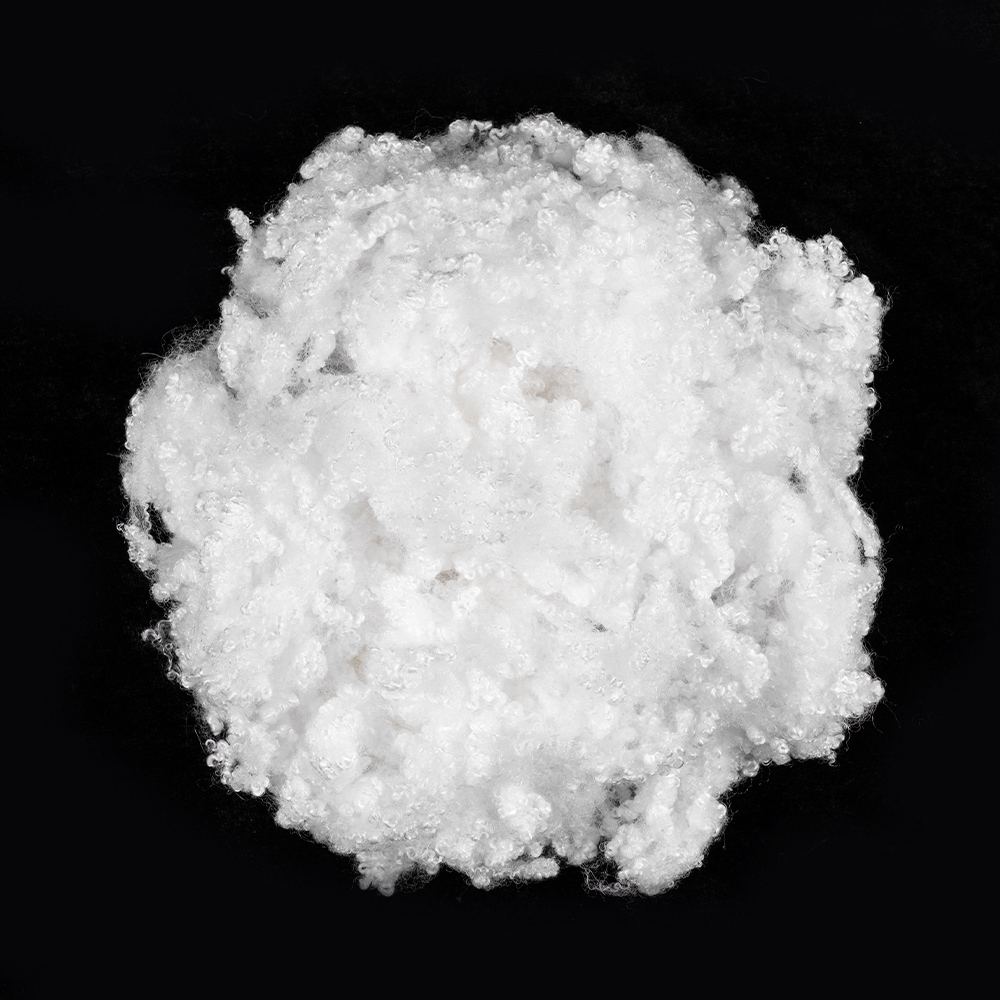 3D x 64mm Non-Silicone Hollow Conjugated Polyester Staple FiberNon-silicone 3D x 64mm hollow conjugated polyester staple fiber for high-loft filling, offering cohesion and shape stability in quilts, pillows, cushions, bonded or laminated applications.View Product →
If you are comparing hollow conjugate options for a specific fill weight, the article on how to choose hollow conjugate fiber filling materials walks through denier and cut length trade-offs.
Low Melt Fiber: The Structural Binder
Low melt fiber has a lower melting point than standard polyester. When the fill is heat-treated, these fibers soften and bond to neighboring fibers at crossover points. The result is a stable web that resists migration and holds its shape through washing and packing. It is usually blended at 10–30% to give the fill memory and durability. Typical specs include 2D 51mm, 4D 51mm H, and 4D 64Hmm.
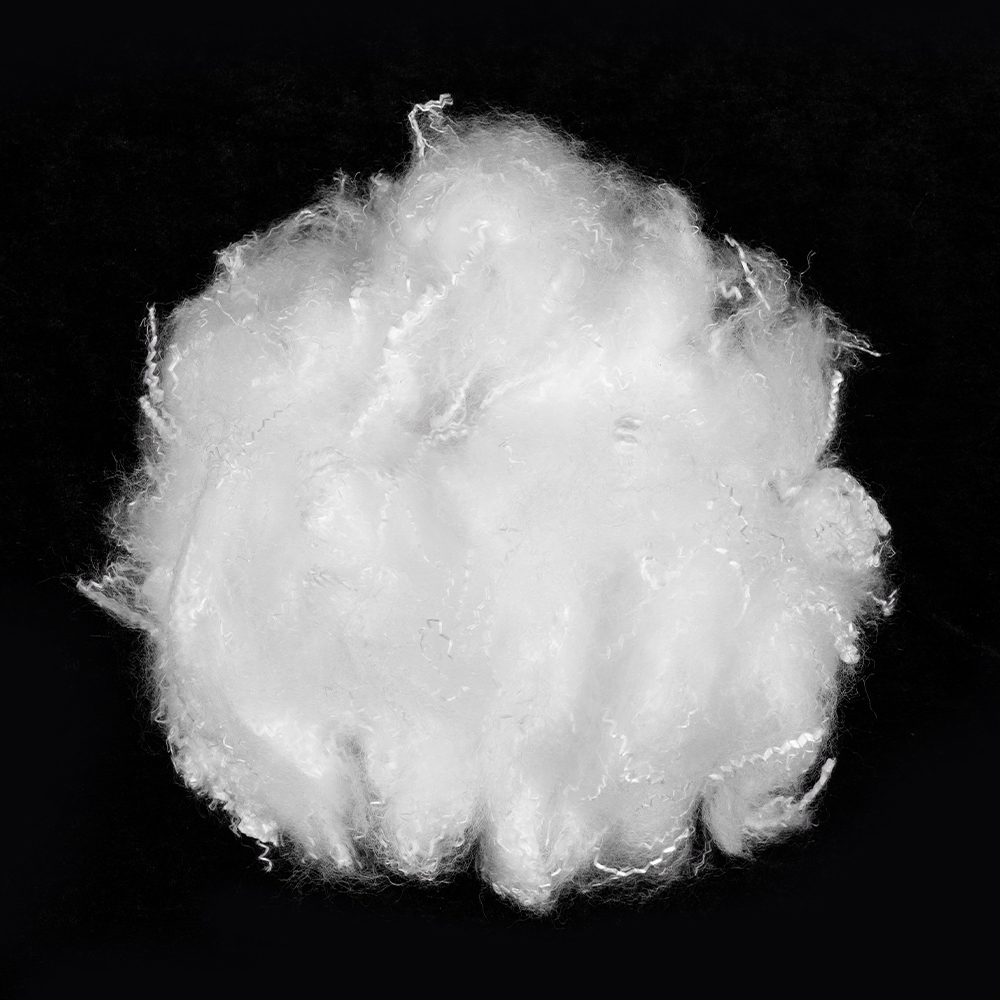 4D x 51mm H Low-Melt Polyester Staple FiberLow-melt 4D x 51mm H polyester staple fiber for adhesive-free thermal bonding, adding cohesion and durability to nonwovens, load-bearing sofa fills, and automotive structural parts.View Product →
Micro Fiber: Soft, Dense, and Down-Like
Micro fiber refers to polyester staple fiber with a denier below about 1.5D. The fine filaments create a dense, soft hand and a high surface area that traps still air. In outdoor gear, micro fiber is used in insulated jackets, sleeping bag liners, and lightweight quilts where packability and next-to-skin comfort matter. Specs like 1.2D 25mm and 1.2D 32mm are common. Shorter lengths blend more uniformly; longer lengths add strength and reduce shedding.
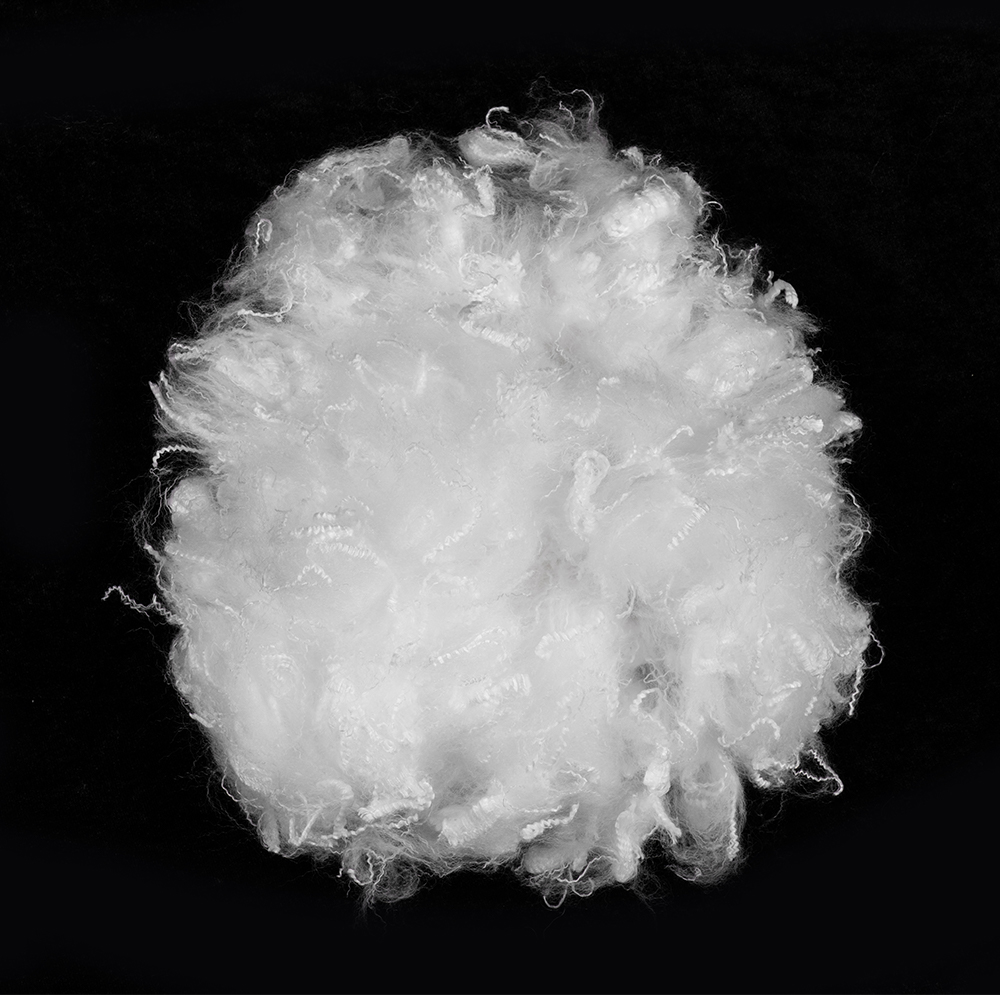 1.2D x 32mm Micro Fiber Polyester Staple Fiber1.2D x 32mm micro fiber polyester staple fiber for down-like filling; 32mm length improves cohesion, reduces clumping, and supports even warmth in premium insulated products.View Product →
Comparing Filling Fibers at a Glance
The table below summarizes typical specifications and best uses. Use it as a starting point, then confirm exact denier, cut length, and treatment with your supplier.
| Fiber Type | Common Specs | Main Role | Best For |
|---|---|---|---|
| Hollow Conjugate | 3D, 7D, 15D; 64mm HC/HCS | Loft, warmth, compression recovery | Sleeping bags, insulated jackets, blankets |
| Low Melt | 2D 51mm, 4D 51mm H, 4D 64Hmm | Bonding, shape retention, anti-migration | Washable fills, pet beds, automotive pads |
| Micro Fiber | 1.2D 25mm, 1.2D 32mm | Softness, dense insulation, down-like feel | Lightweight quilts, liners, next-to-skin layers |
How to Select the Right Fill for Your Product
Start with the end use, not the spec sheet. A winter sleeping bag needs a fill that recovers loft after compression; a summer quilt needs packability and breathability. Here is a practical selection sequence:
- Define warmth target and packed size. Higher loft per gram means less fill weight.
- Choose the primary fiber. Hollow conjugate for loft, micro fiber for softness, or a blend of both.
- Decide whether the fill must be bonded. For frequent washing, add 10–30% low melt fiber.
- Confirm treatment. Silicone-oil treated fiber runs smoothly on filling machines; non-silicone avoids adhesion problems.
- Test a sample. Measure loft height, compression recovery after 24 hours, and weight loss after three wash cycles.
Procurement risk often shows up as batch variation. A 7D fiber from one lot may crimp differently from the next, changing fill power. Ask for consistent denier and cut length tolerances, and keep a retained sample for comparison.
Care and Storage: Keeping Filling Performance
Synthetic fills are durable, but they still lose loft if stored compressed. Follow these rules to protect outdoor gear filling:
- Clean gear before storage. Dirt and oils can cause fibers to mat.
- Dry completely. Damp filling encourages clumping and odor.
- Store loosely. Hang sleeping bags or use a large cotton sack; avoid stuff sacks for long-term storage.
- Check seams and baffles. If filling migrates, the problem may be the shell, not the fiber.
- Wash gently. Use a front-loading machine on a gentle cycle, then tumble dry low with dryer balls to restore loft.
If a jacket or bag feels flat after washing, low melt fiber blends usually recover better because the bond points keep the web from collapsing. Pure hollow fiber fills may need more drying time and manual shaking.
FAQ: Outdoor Gear Filling
What does HC mean in a fiber spec like 3D 64mm HC?
HC generally stands for hollow conjugate. It indicates a fiber with a hollow core and a conjugate structure that provides crimp. Confirm with your supplier, because some mills use HC for hollow crimped.
Can I mix hollow conjugate and micro fiber?
Yes. A common blend is 60–70% hollow conjugate for loft and 30–40% micro fiber for softness. This combination works well in sleeping bags and insulated jackets.
How much low melt fiber should I add?
For bonded fills, 10–20% is typical. For high-wash applications, up to 30% may be used. Too much low melt fiber can make the fill stiff and reduce loft.
For more answers on fiber selection and processing, visit our FAQ page.
Final Take
Outdoor gear filling is a performance decision, not a commodity purchase. Hollow conjugate fiber delivers loft and warmth, low melt fiber holds the structure, and micro fiber adds softness and density. Match the fiber to the product, verify specs in a sample, and store gear loosely. Those steps keep sleeping bags, jackets, and quilts working for many seasons.
Ningbo Huaxing Technology Co., Ltd.
-
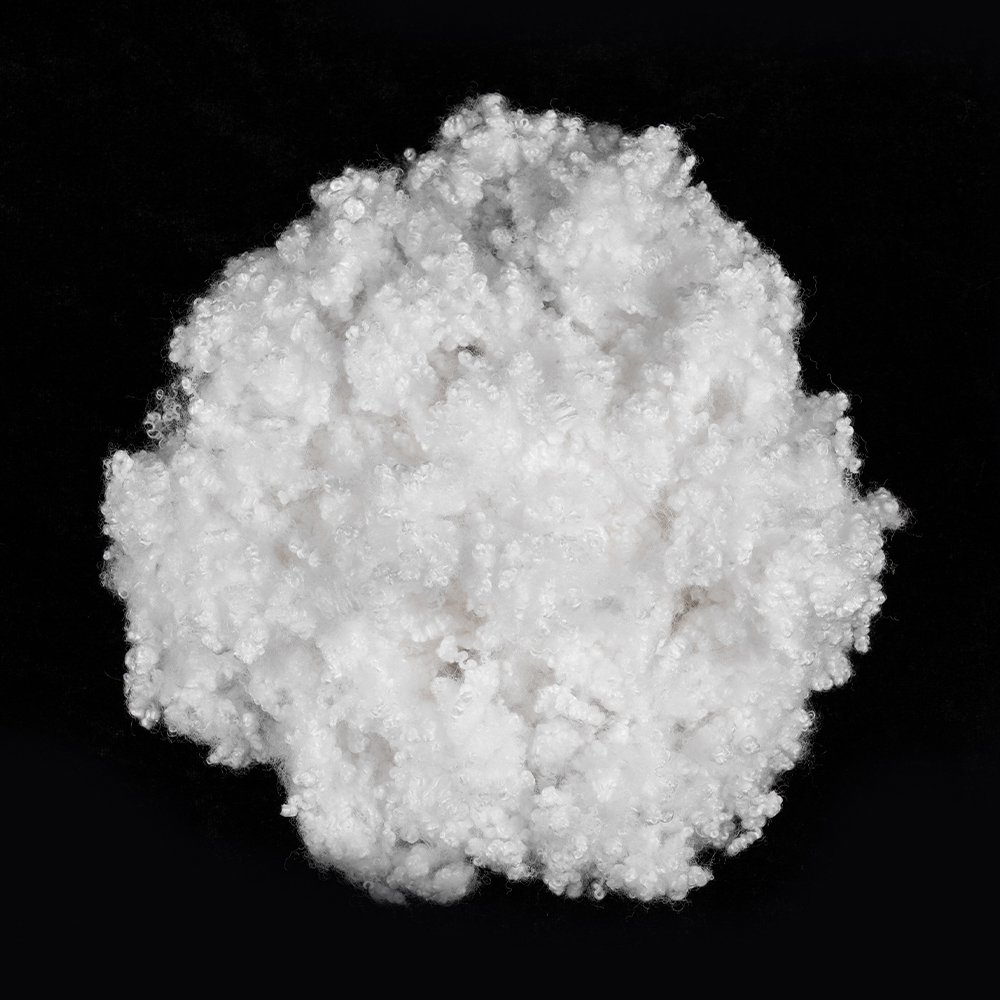
3D HCS Polyester Staple Fiber
-
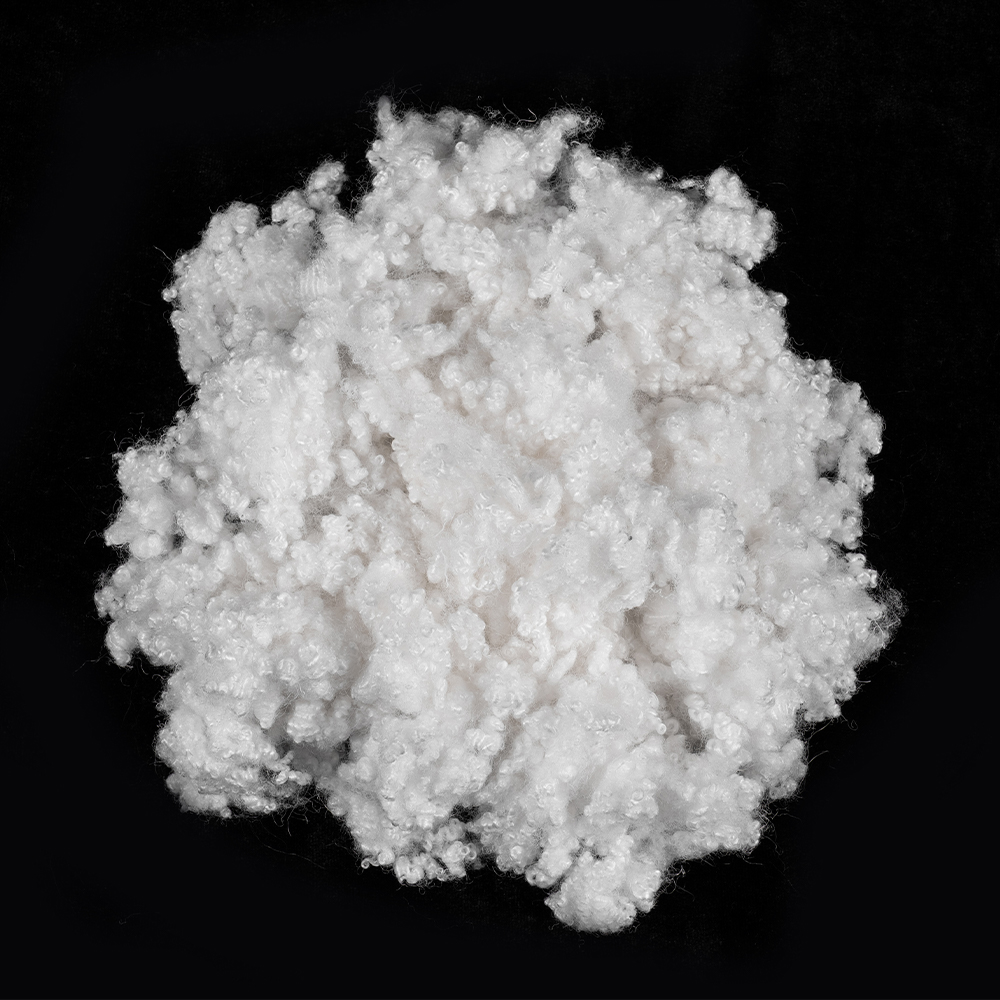
7D HCS Polyester Staple Fiber
-
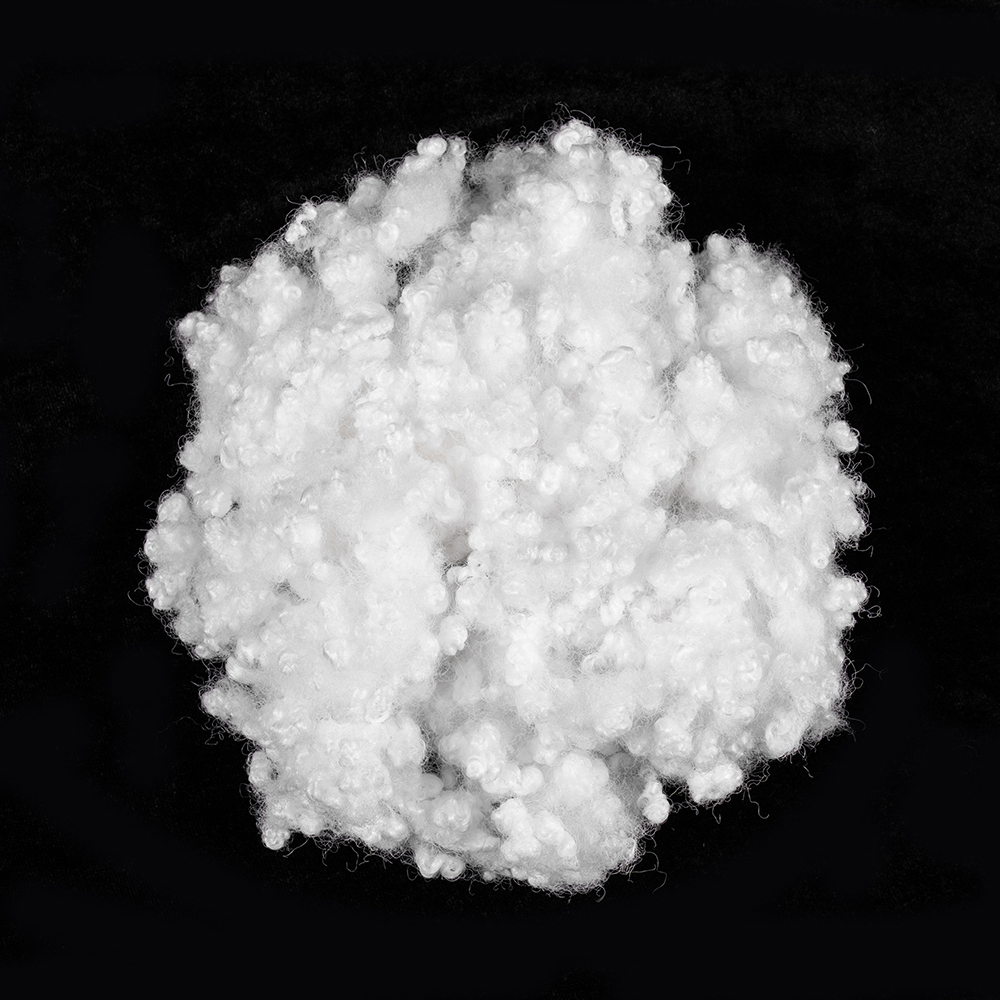
15D HCS Polyester Staple Fiber
-
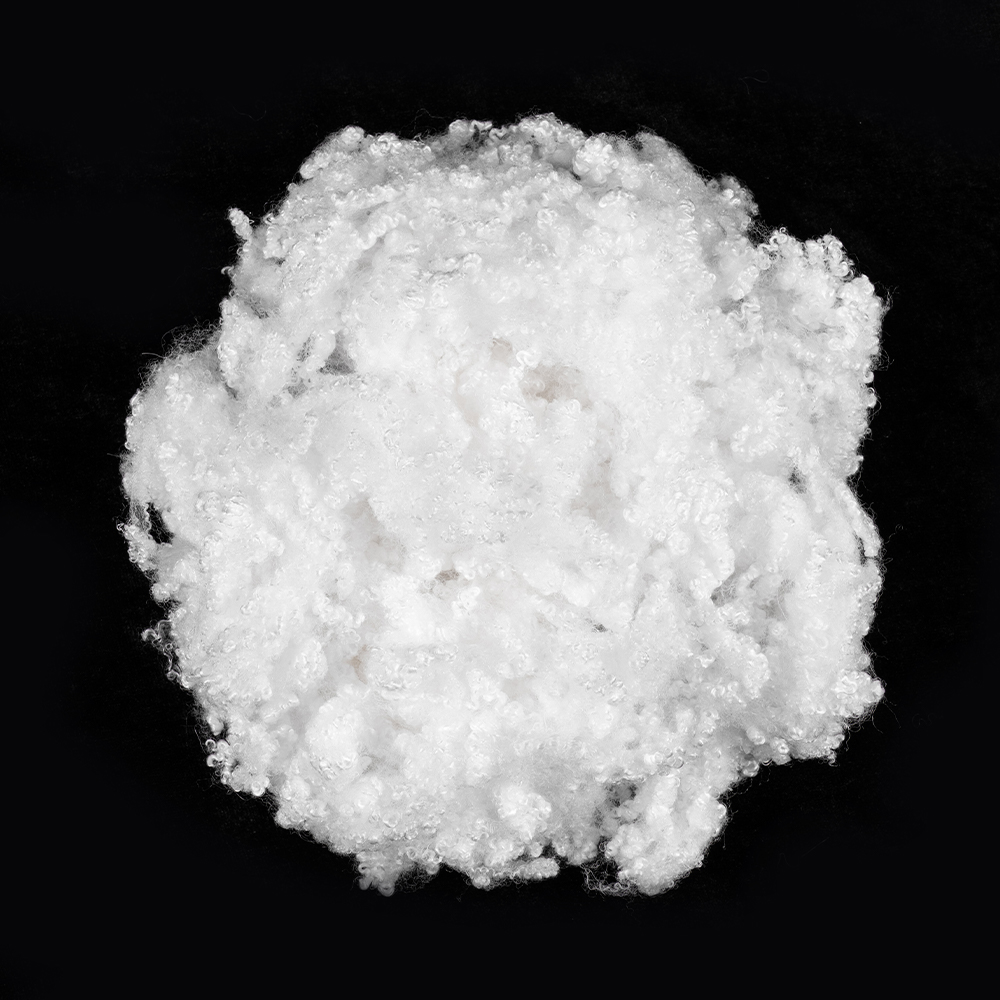
3D*64MM HC Polyester Staple Fiber
-
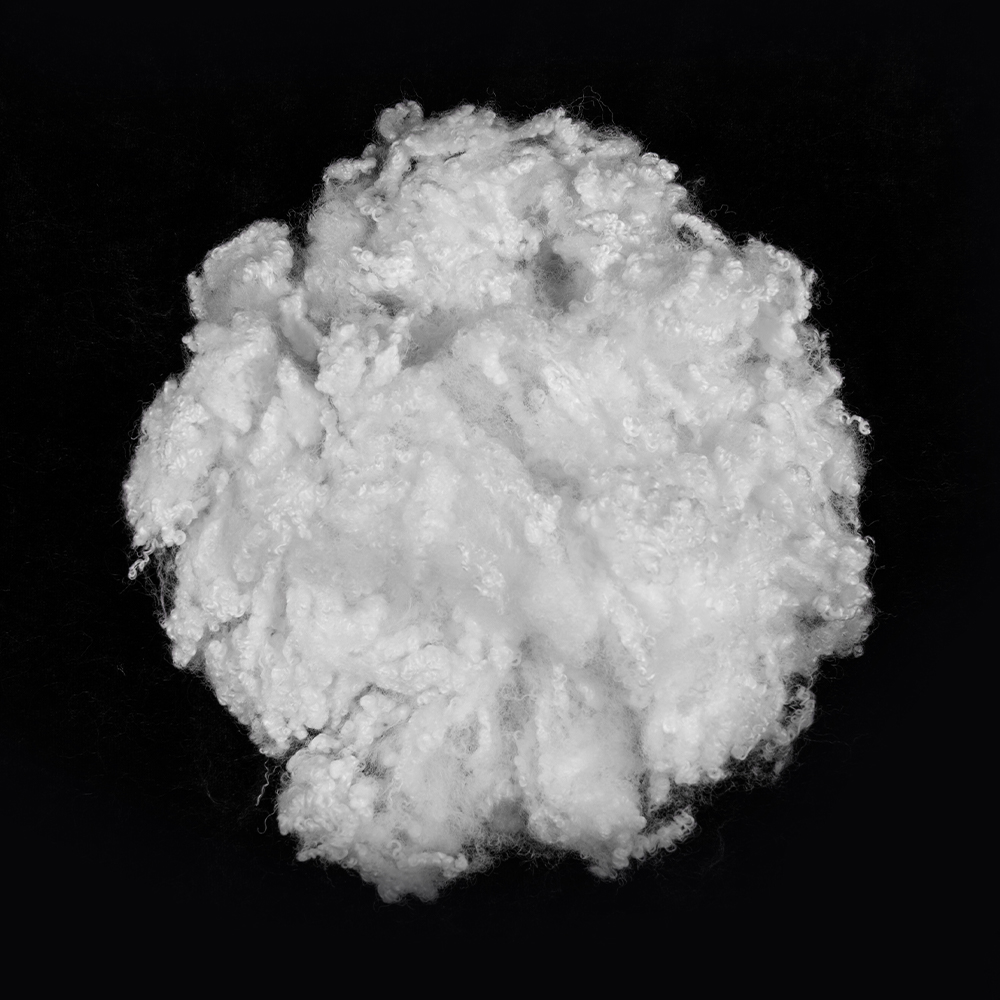
7D*64MM HC Polyester Staple Fiber
-
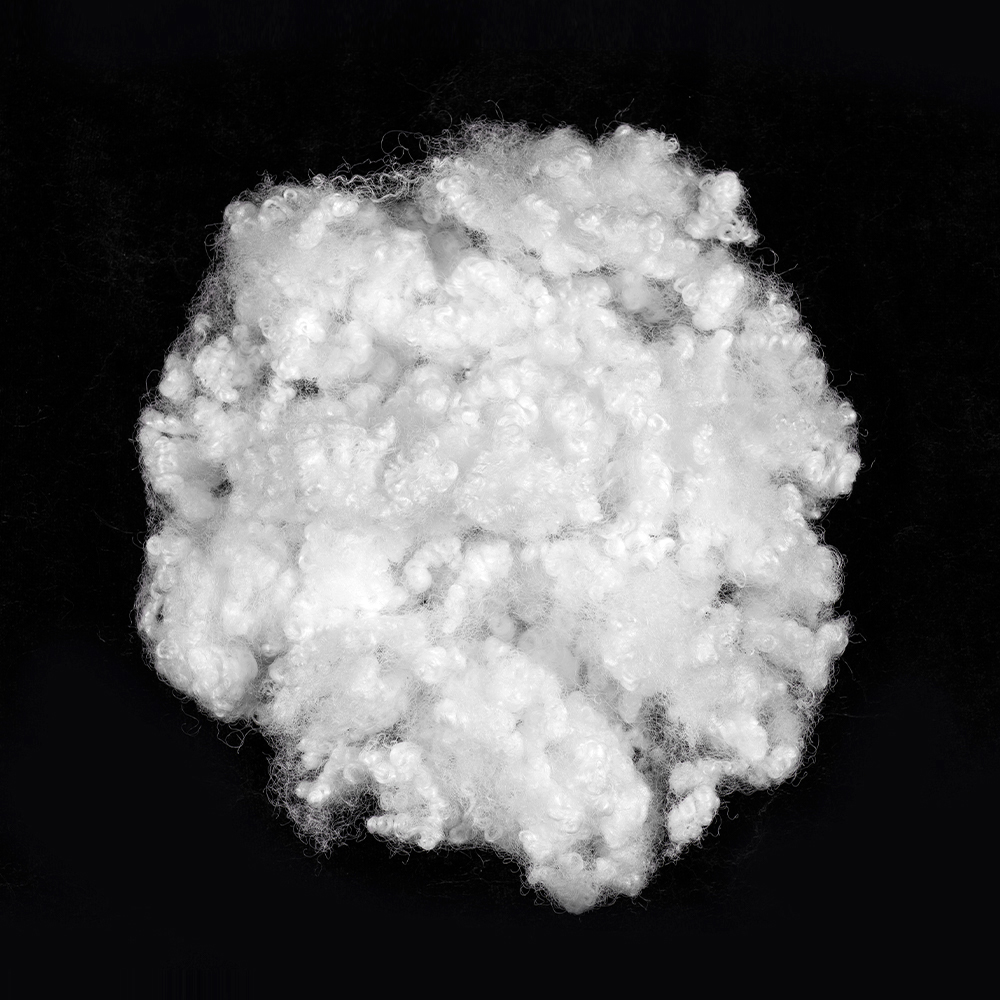
15D*64MM HC Polyester Staple Fiber
-
Quick Links
Home About Us Products FAQ News Contact Us -
Product Links
Polyester Staple Fiber Pre-oriented Yarn/POY Polyester Chip/PET Chip -
About Us
About Us Factory Honor FAQ -
Get In Touch
E-mail:
[email protected]Phone:
+86-130 8198 6637Tel:
+86-0574-63732888Address:
Haidianrong Village, Longshan Town, Cixi City, Ningbo, Zhejiang Province, China.
