

 中文简体
中文简体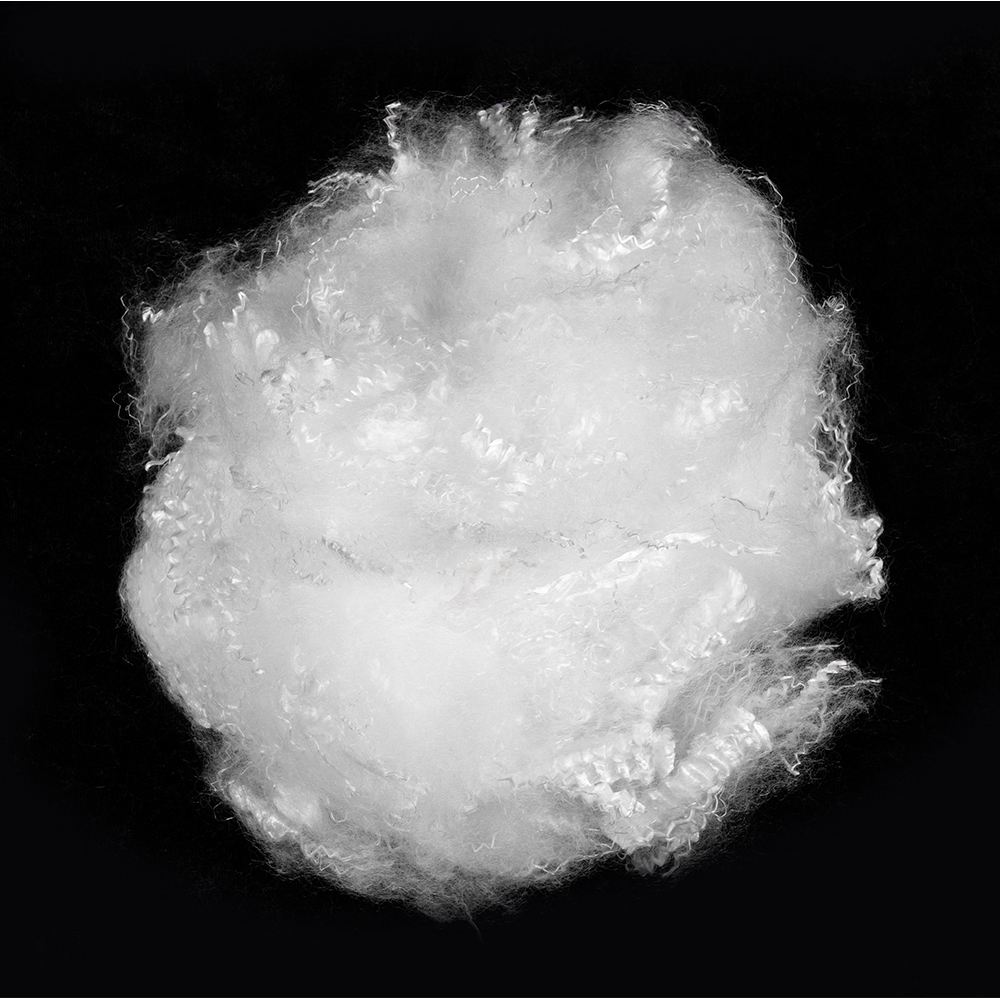
A European knitwear buyer receives 4,000 pieces of 320 gsm cotton-polyester fleece. Three home launderings at 40 °C later, the cuffs and underarm areas show visible pills. The dyehouse blames the softener, the spinner blames the yarn count, and the brand asks for a root-cause report. In most of these reviews, the answ...
READ MORE-
 Welcome to Huaxing Technology
-
 Email us: [email protected]

Low Melt Fiber Polyester Staple Fiber
Low Melt Fiber Supplier
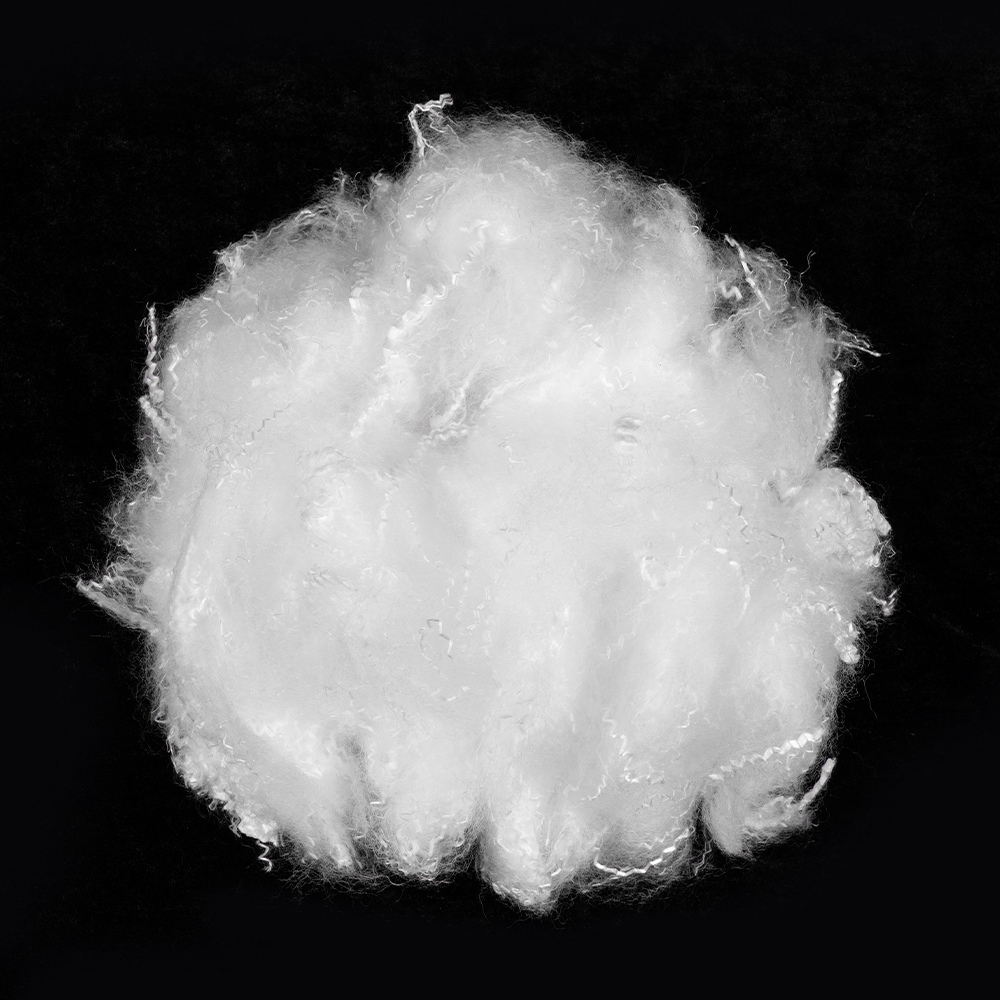
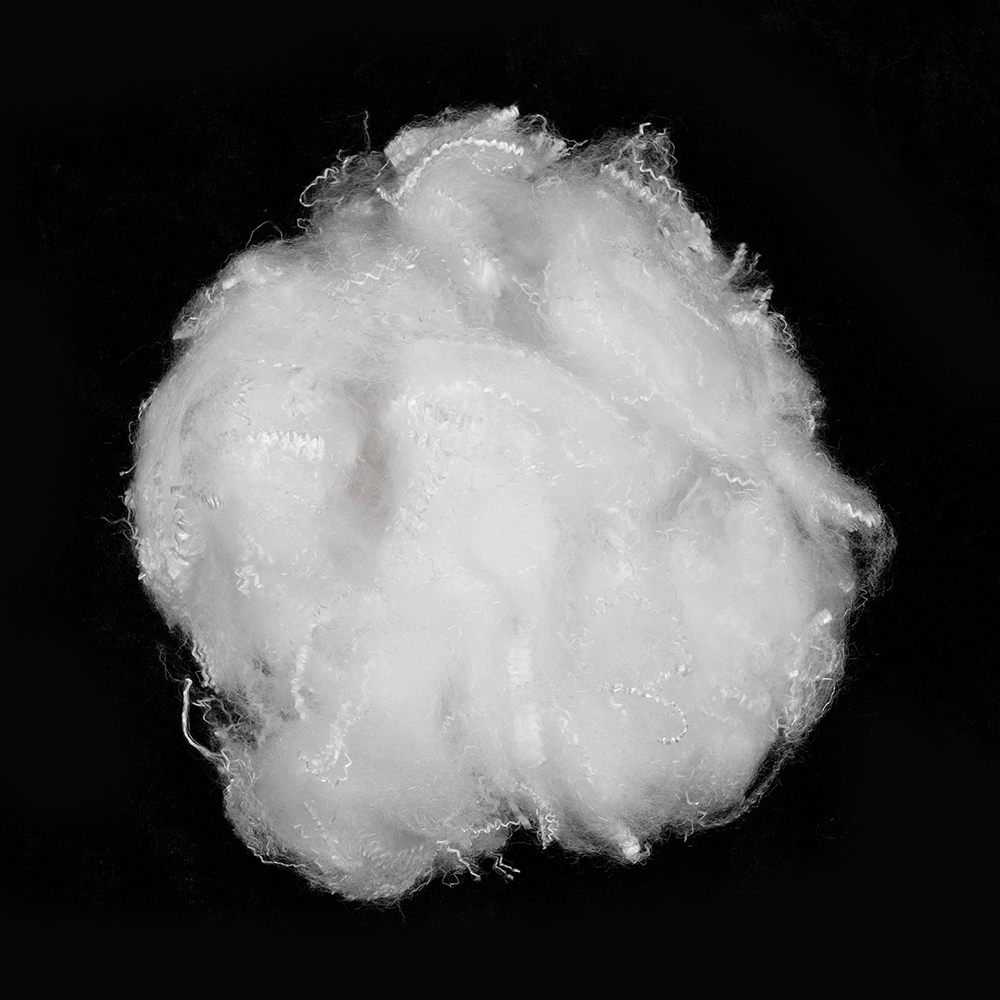
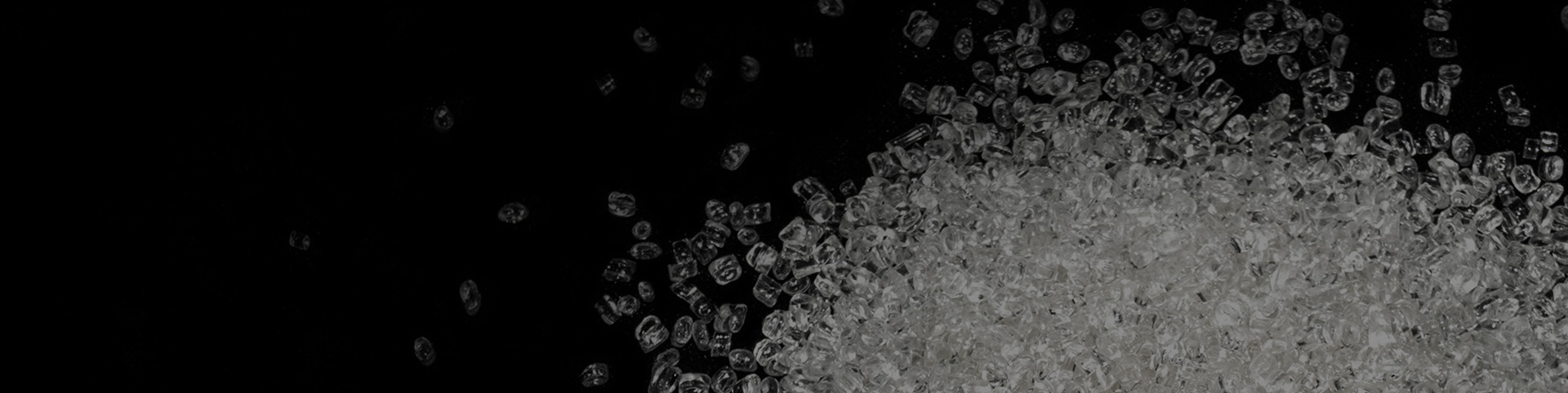
Low melt fiber polyester staple fiber is a type of polyester staple fiber specifically designed for thermal bonding applications. This product category encompasses fibers with the core property of melting at lower temperatures, suitable for the production of nonwovens, composites, and textiles. Low melt fiber polyester staple fiber offers features including efficient bonding, enhanced material strength, and maintenance of polyester's inherent durability and chemical stability. Key advantages include energy-efficient processing, environmental friendliness, and broad application adaptability. Low melt fiber polyester staple fiber plays a crucial role in these industrial sectors.
Excellent thermal bonding properties: melts rapidly at lower temperatures to create a bond, and exhibits high peel strength upon cooling.
Main applications: home textiles: Used as filling and bonding material for imitation silk floss, non-woven fabrics, mattresses, pillow cores, and quilts, replacing chemical adhesives for more environmentally friendly, fluffy, and durable products.
Automotive interiors: used for bonding components such as door panels and headliners, helping to meet the automotive industry's requirements for low VOCs (volatile organic compounds).
Industrial applications: Used as an adhesive in fields such as hygiene materials (e.g., surgical gowns, masks), filter materials, geotextiles, and sound insulation boards.
About Us
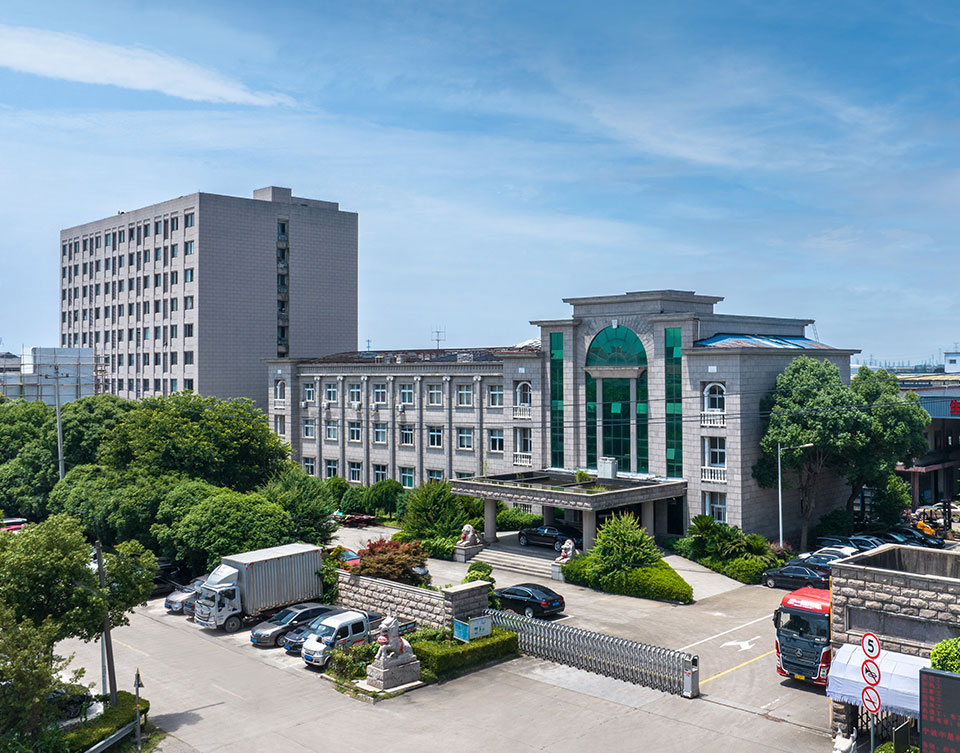
Ningbo Huaxing Technology Co., Ltd.
Formerly known as Ningbo Huaxing Tire Co., Ltd., the company was established in July 2001. It covers an area of ??185,000 square meters, with a building area of ??186,000 square meters. The factory area is shaded by trees and boasts a beautiful environment. The company currently holds 9 independent patents and has an engineering technology center. It is a Ningbo municipal-level science and technology enterprise with strong technological innovation capabilities, and is also a demonstration enterprise for information technology construction in Cixi City. The company has scientific and standardized management and more than 20 senior talents in various fields. In 2014, the company's sales bucked the trend and exceeded 1 billion yuan.
Our company is a China Low Melt Fiber Supplier and Polyester Staple Fiber Factory, primarily produces POY polyester filament, a new, differentiated, functional, high-value-added, and stable high-end product that can partially replace imports. Fabrics processed from our POY polyester filament have a smooth hand feel, good drape, excellent moisture absorption and wicking properties, warmth retention, high pilling resistance, and stain resistance. Furthermore, the fabrics are easy to dye, have stable colorfastness, and possess a unique luster. Our products are widely used in high-end garment fabric processing and are also ideal raw materials for high-end blankets and carpets.
In 2012, the company invested over 300 million RMB to upgrade its production lines, achieving an annual production capacity of 160,000 tons of high-quality POY pre-oriented polyester filament. The production line adopted the advanced direct esterification "five-reactor" polymerization and direct spinning process from the China Textile Industry Design and Research Institute, a technology superior to that of DuPont (USA) and Gemma (Germany). Spinning and winding equipment were imported from Barmag (Germany) with fully automated production lines, ensuring product quality exceeding industry standards. The company offers a complete range of product specifications, currently including nearly 20 types of conventional and flat yarns.
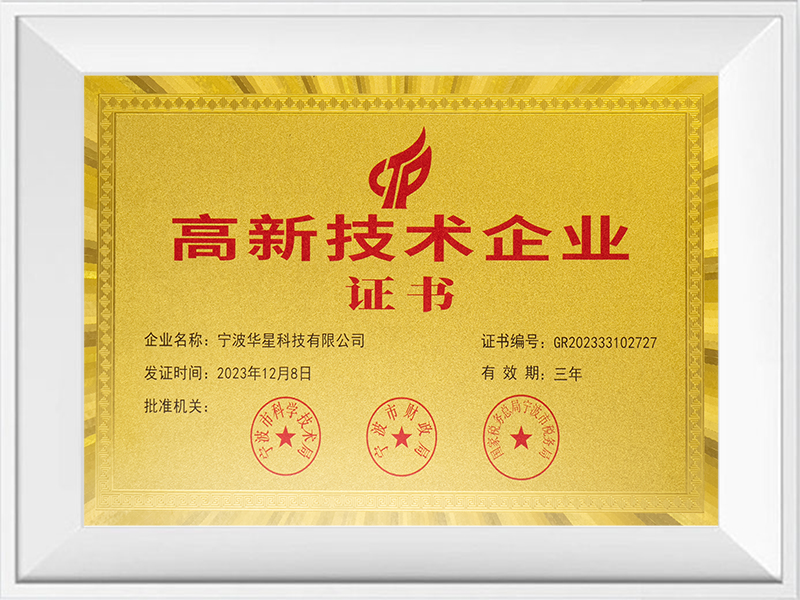
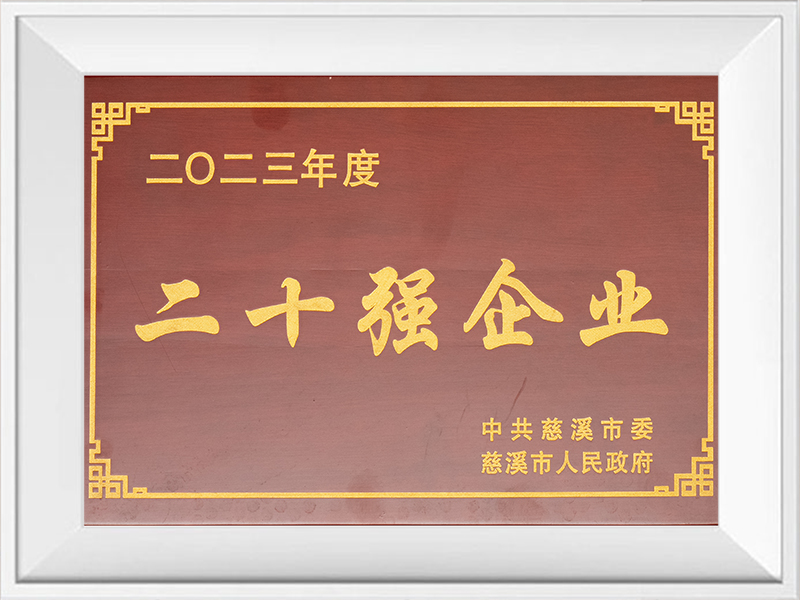
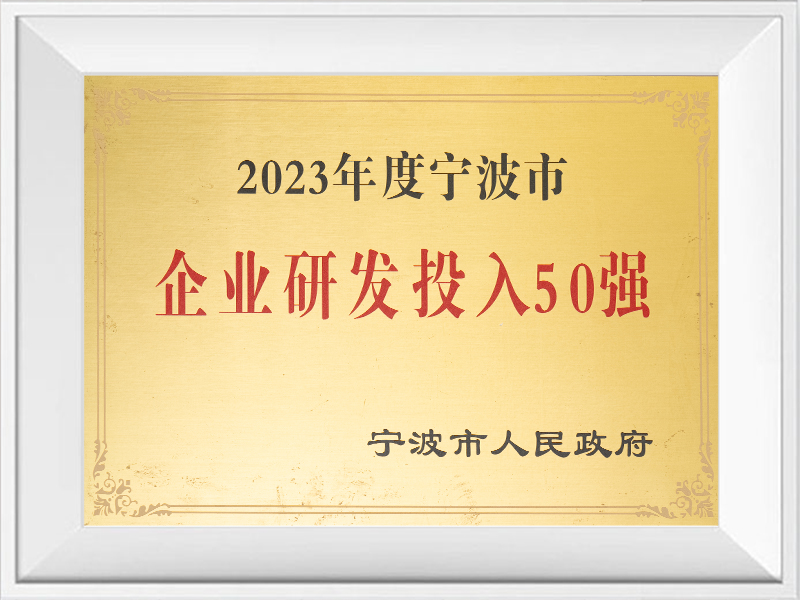
Certificate Of Honor
Message Feedback
News
-
-
Most filling specifications are one line long: 7D hollow conjugate, 64 mm cut, silicone treated. When a bedding or furniture brand replaces that line with a recycled-content equivalent, loft, hand feel and compression recovery barely move. What changes is the documentation sitting behind the material. That is where an...
READ MORE -
Squeeze a quilted comforter between both hands. If the surface feels slick and the batt returns slowly and flat, the filling was chosen on price rather than on tactile performance. Most polyester fillings lose a blind hand test against down for three predictable reasons: the fibers are too thick to bend softly, the ho...
READ MORE
Low Melt Fiber Polyester Staple Fiber Industry knowledge
Low Melt Fiber is a specialized type of polyester staple fiber engineered for thermal bonding applications. Its defining characteristic is the ability to melt at lower temperatures, creating strong adhesive bonds without chemical glues. This makes it indispensable in the production of nonwovens, composites, and technical textiles. As a leading Thermal Bonding Fiber, Low Melt Fiber delivers efficient bonding, enhanced material strength, and the inherent durability and chemical stability of polyester. Ningbo Huaxing Technology Co., Ltd., an established Low Melt Fiber Manufacturer, specializes in Wholesale Polyester Staple Fiber production, offering Eco-friendly Filling Material solutions that serve industries ranging from home textiles to automotive interiors.
Core Technology of Low Melt Fiber
Low Melt Fiber utilizes a sheath-core structure where the outer sheath is composed of low-melting-point polyester, while the inner core maintains a higher melting point. During thermal bonding processing, the sheath melts at temperatures between 110°C and 180°C, forming uniform bonding points, while the core retains its fibrous integrity to ensure structural stability and mechanical strength. This physical bonding approach completely eliminates the need for chemical adhesives, establishing the product as a genuine Eco-friendly Filling Material.
Ningbo Huaxing Technology Co., Ltd. continuously optimizes its Thermal Bonding Fiber manufacturing processes. By precisely controlling the sheath-core ratio, melting point gradient, and cross-sectional morphology, the company achieves an optimal balance between bonding efficiency and product performance. Compared to conventional chemical bonding processes, thermal bonding technology can reduce energy consumption by approximately 15% to 25%, while simultaneously minimizing volatile organic compound (VOC) emissions to meet modern industrial green manufacturing requirements.
Product Specifications and Application Scenarios
Ningbo Huaxing Technology Co., Ltd. currently offers three Low Melt Fiber products, covering different denier and length specifications to meet diverse industrial application needs:
| Product Model | Specification | Key Features | Primary Applications |
|---|---|---|---|
| 4D*64HMM Polyester Staple Fiber | 4 Denier x 64mm | Moderate thickness with optimized thermal bonding process, robust structure, outstanding durability, adhesive-free and environmentally friendly | High-efficiency textile nonwoven production, bulk filling of large sofas and mattresses, standardized component processing for automotive interiors |
| 4D*51MM H Polyester Staple Fiber | 4 Denier x 51mm | Optimized thermal bonding reaction characteristics, superior cohesion and structural stability, higher bonding strength, enhanced durability | High-strength textile nonwoven production, load-bearing parts filling for sofas and mattresses, structural components in automotive interiors requiring long-term shape retention |
| 2D*51MM Polyester Staple Fiber | 2 Denier x 51mm | Fine fiber structure with excellent softness and conformability, strong material bonding through thermal bonding technology | Textile nonwoven production, home textile product filling, partial filling in sofas and mattresses, auxiliary materials for automotive interiors requiring high conformability |
All three products belong to the Low Melt Fiber product line of Ningbo Huaxing Technology Co., Ltd., offered through Wholesale Polyester Staple Fiber supply models that flexibly respond to bulk orders and customization requirements. As a dedicated Low Melt Fiber Manufacturer, the company has established comprehensive quality control and delivery cycle management systems.
Home Textiles: Revolutionizing Eco-Friendly Filling Materials
In the home textile industry, Low Melt Fiber is progressively replacing traditional chemical adhesives for filling and bonding applications in imitation silk floss, nonwoven fabrics, mattresses, pillow cores, and quilts. The Eco-friendly Filling Material solutions from Ningbo Huaxing Technology Co., Ltd. enable end products with fluffier texture, longer durability, and complete elimination of health hazards associated with chemical residues.
Taking mattress production as an example, using 4D*64HMM specification Thermal Bonding Fiber filling layers can achieve firm bonding between multiple material layers without adding any adhesives. Practical application data shows that mattress filling layers processed with thermal bonding technology demonstrate peel strength improvements of approximately 20% to 30% compared to conventional spray-glue processes, with extended product service life. Ningbo Huaxing Technology Co., Ltd. has validated its Thermal Bonding Fiber products through multiple home textile industry applications, becoming a designated raw material supplier for several renowned mattress manufacturers.
Automotive Interiors: Critical Material for Low VOC Emissions
The automotive interior industry imposes strict limitations on volatile organic compound (VOC) emissions from materials. Low Melt Fiber, with its adhesive-free thermal bonding characteristics, becomes an ideal choice for door panels, headliners, and other interior components. The 4D*51MM H specification product from Ningbo Huaxing Technology Co., Ltd., with its high bonding strength and long-term shape retention capabilities, is particularly suitable for structural components in automotive interiors that must withstand vibration and temperature variations.
According to automotive interior material testing standards, replacing chemical adhesives with thermal bonding fiber can reduce total volatile organic compound (TVOC) release by 40% to 60%. As a professional Low Melt Fiber Manufacturer, Ningbo Huaxing Technology Co., Ltd. has widely applied its products in automotive interior supply chains, helping clients meet increasingly stringent environmental regulations.
Industrial Applications: Hygiene and Filtration Fields
In industrial sectors, Low Melt Fiber applications span hygiene materials (such as surgical gowns and masks), filtration materials, geotextiles, and sound insulation boards. The 2D*51MM specification product from Ningbo Huaxing Technology Co., Ltd., with its fine fiber structure providing excellent softness and conformability, is particularly suitable for applications demanding high material tactile quality and fit.
In filtration material manufacturing, thermal bonding fiber can achieve firm bonding between multiple filter layers without clogging fiber pores, maintaining filtration efficiency while enhancing overall material strength. Ningbo Huaxing Technology Co., Ltd. supports customization of its Wholesale Polyester Staple Fiber products according to industrial client technical parameters, including adjustments to fiber length, denier, and thermal bonding temperature ranges.
Environmental Advantages and Industry Trends
The global textile and materials industry is accelerating its transition toward green manufacturing. As a representative Eco-friendly Filling Material, Low Melt Fiber offers environmental advantages at three levels:
- Production Energy Savings: Thermal bonding temperatures are 30°C to 50°C lower than conventional hot-melt adhesive processes, significantly reducing energy consumption
- End-Use Safety: Completely free of chemical adhesives, eliminating the release of harmful substances such as formaldehyde and benzene compounds
- Recycling Convenience: Pure polyester composition facilitates subsequent recycling and processing, aligning with circular economy principles
Ningbo Huaxing Technology Co., Ltd. closely follows industry trends, continuously investing in Thermal Bonding Fiber technology research and capacity upgrades. As a dedicated Low Melt Fiber Manufacturer, the company remains committed to providing global customers with Wholesale Polyester Staple Fiber products that combine performance excellence with environmental responsibility.
Frequently Asked Questions
What is the thermal bonding temperature range for Low Melt Fiber
The sheath melting temperature of Low Melt Fiber typically ranges between 110°C and 180°C, depending on the sheath-core ratio and polyester modification degree. Ningbo Huaxing Technology Co., Ltd. can recommend the most suitable product specifications based on client processing equipment conditions.
How does Eco-friendly Filling Material differ from traditional chemical filling materials
Eco-friendly Filling Material employs physical thermal bonding instead of chemical adhesives, fundamentally eliminating sources of formaldehyde, VOCs, and other harmful substances while offering superior fluffiness and durability. Ningbo Huaxing Technology Co., Ltd. has obtained multiple environmental certifications for its thermal bonding fiber products.
What is the minimum order quantity for Wholesale Polyester Staple Fiber
As a Wholesale Polyester Staple Fiber supplier, Ningbo Huaxing Technology Co., Ltd. supports flexible order sizes. Specific minimum order quantities depend on product specifications, delivery timelines, and customization requirements. Direct contact is recommended for detailed quotation proposals.
What are the special requirements for Low Melt Fiber in automotive interior applications
Automotive interior applications require materials with low VOC emissions, long-term heat aging resistance, and high bonding strength. The 4D*51MM H specification product from Ningbo Huaxing Technology Co., Ltd. is specifically optimized for this scenario and meets stringent automotive industry testing standards.
What are the storage and transportation considerations for thermal bonding fiber
Low Melt Fiber should be stored in dry, ventilated, and light-protected environments, avoiding high temperatures and humidity. During transportation, protection against heavy pressure and sharp objects piercing the packaging is essential. Ningbo Huaxing Technology Co., Ltd. utilizes professional moisture-proof packaging to ensure product quality stability during transit.
Does Ningbo Huaxing Technology Co., Ltd. provide product customization services
Yes, as a professional Low Melt Fiber Manufacturer, Ningbo Huaxing Technology Co., Ltd. supports customized development of fiber denier, length, cross-sectional morphology, and thermal bonding characteristics to meet the specific process requirements of different industry clients.
-
Quick Links
Home About Us Products FAQ News Contact Us -
Product Links
Polyester Staple Fiber Pre-oriented Yarn/POY Polyester Chip/PET Chip -
About Us
About Us Factory Honor FAQ -
Get In Touch
E-mail:
[email protected]Phone:
+86-130 8198 6637Tel:
+86-0574-63732888Address:
Haidianrong Village, Longshan Town, Cixi City, Ningbo, Zhejiang Province, China.
Copyright ? Ningbo Huaxing Technology Co., Ltd. All Rights Reserved.
Low Melt Fiber Supplier
Polyester Staple Fiber Factory
