

 中文简体
中文简体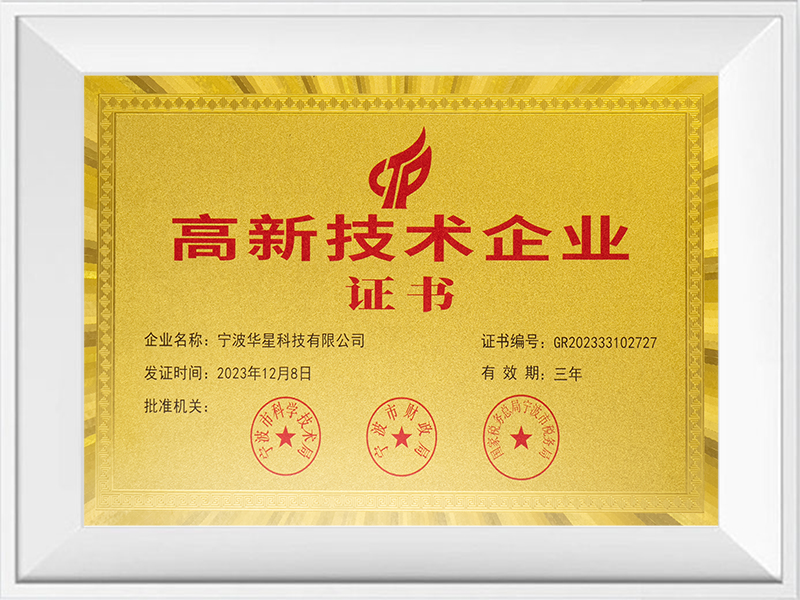
A European knitwear buyer receives 4,000 pieces of 320 gsm cotton-polyester fleece. Three home launderings at 40 °C later, the cuffs and underarm areas show visible pills. The dyehouse blames the softener, the spinner blames the yarn count...
READ MORE-
 Welcome to Huaxing Technology
-
 Email us: [email protected]

About Us
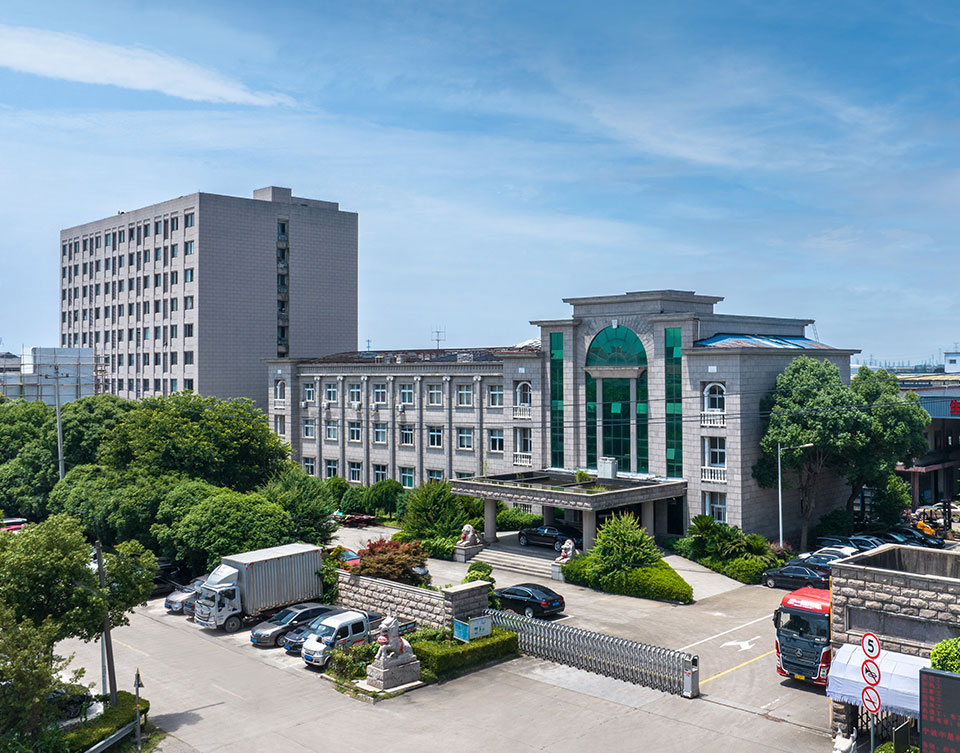
Ningbo Huaxing Technology Co., Ltd.
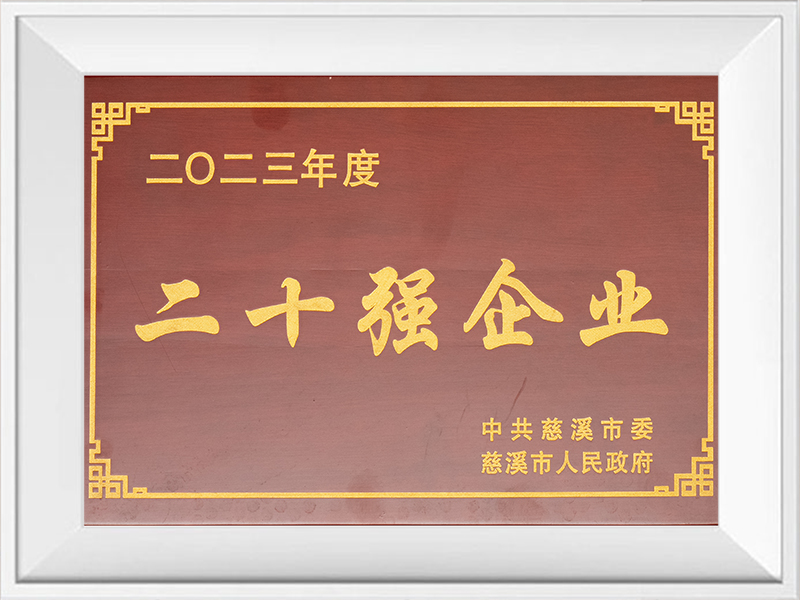
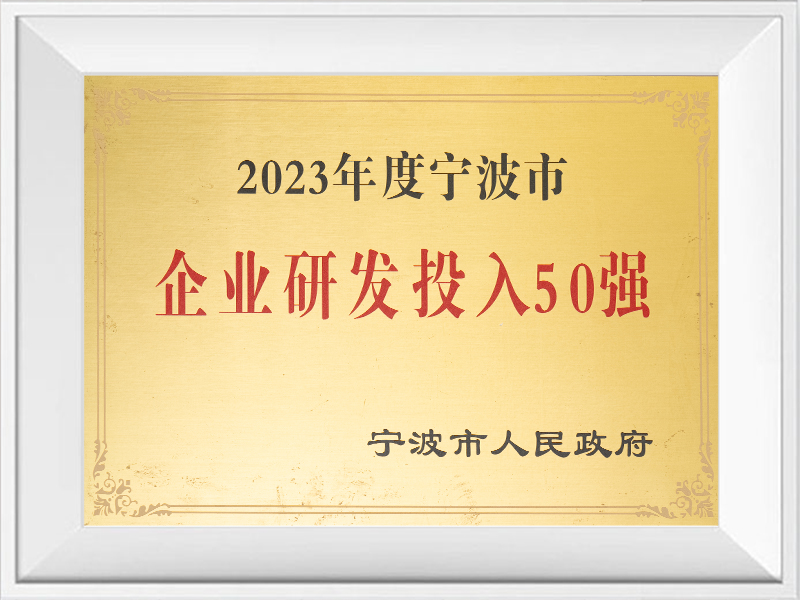
Formerly known as Ningbo Huaxing Tire Co., Ltd., the company was established in July 2001. It covers an area of ??185,000 square meters, with a building area of ??186,000 square meters. The factory area is shaded by trees and boasts a beautiful environment. The company currently holds 9 independent patents and has an engineering technology center. It is a Ningbo municipal-level science and technology enterprise with strong technological innovation capabilities, and is also a demonstration enterprise for information technology construction in Cixi City. The company has scientific and standardized management and more than 20 senior talents in various fields. In 2014, the company's sales bucked the trend and exceeded 1 billion yuan.
Our company is a China Pre-oriented Yarn / POY Manufacturer and High Pilling Resistance Fiber Company, primarily produces POY polyester filament, a new, differentiated, functional, high-value-added, and stable high-end product that can partially replace imports. Fabrics processed from our POY polyester filament have a smooth hand feel, good drape, excellent moisture absorption and wicking properties, warmth retention, high pilling resistance, and stain resistance. Furthermore, the fabrics are easy to dye, have stable colorfastness, and possess a unique luster. Our products are widely used in high-end garment fabric processing and are also ideal raw materials for high-end blankets and carpets.
In 2012, the company invested over 300 million RMB to upgrade its production lines, achieving an annual production capacity of 160,000 tons of high-quality POY pre-oriented polyester filament. The production line adopted the advanced direct esterification "five-reactor" polymerization and direct spinning process from the China Textile Industry Design and Research Institute, a technology superior to that of DuPont (USA) and Gemma (Germany). Spinning and winding equipment were imported from Barmag (Germany) with fully automated production lines, ensuring product quality exceeding industry standards. The company offers a complete range of product specifications, currently including nearly 20 types of conventional and flat yarns.
Certificate Of Honor
Message Feedback
News
-
-
Most filling specifications are one line long: 7D hollow conjugate, 64 mm cut, silicone treated. When a bedding or furniture brand replaces that line with a recycled-content equivalent, loft, hand feel and compression recovery barely move....
READ MORE -
Squeeze a quilted comforter between both hands. If the surface feels slick and the batt returns slowly and flat, the filling was chosen on price rather than on tactile performance. Most polyester fillings lose a blind hand test against dow...
READ MORE -
When a global automaker's interior team gathers to approve materials for a new model platform, the conversation rarely opens with the word "polyester." It starts with abrasion targets, cabin-odor limits, and cost per square meter. Yet by t...
READ MORE
Pre-oriented Yarn/POY Industry knowledge
Pre-oriented Yarn (POY) is a critical intermediate in the polyester filament manufacturing system. Produced from purified terephthalic acid (PTA) and ethylene glycol (MEG) through polymerization into polyethylene terephthalate (PET), POY is formed via melt spinning or chip spinning processes. As the core raw material in the production chain of Differentiated Polyester Filament, POY retains only partial molecular orientation, preserving significant residual draw potential that makes it an irreplaceable precursor for downstream false-twist texturing (DTY) and fully drawn yarn (FDY) production. In end-use applications spanning apparel fabrics, home textiles, and High Pilling Resistance Fiber products, the quality of POY directly determines the mechanical performance, dyeing uniformity, and service durability of the final textile goods.
POY Production Process and Technical Principles
Industrial POY production employs high-speed melt spinning technology, with spinning speeds typically controlled between 2,800 and 3,600 meters per minute. At these speeds, molten polymer is extruded through spinnerets, cooled by cross-flow air to form nascent fibers, and then partially molecularly oriented during high-speed winding. Compared to Fully Drawn Yarn (FDY), POY maintains a birefringence (Δn) between 0.040 and 0.070, with a relatively high elongation at break of 110% to 160%. This semi-crystalline structural characteristic is the fundamental guarantee of its subsequent processability.
From the raw material perspective, POY production uses PTA and MEG as core monomers, which undergo esterification and polycondensation reactions to generate PET melt. As a direct spinning POY manufacturer, Ningbo Huaxing Technology Co., Ltd. leverages integrated polymerization-spinning production lines to achieve continuous production from monomers to filaments, effectively reducing quality fluctuations from intermediate processing stages. Established in July 2001, the company occupies a plant area of 185,000 square meters with a construction area of 186,000 square meters, providing the hardware foundation for large-scale POY and Differentiated Polyester Filament production.
Key process parameter controls in spinning include:
| Technical Parameter | Typical Range | Unit |
|---|---|---|
| Denier Range | 50 – 600 | D |
| Filament Count | 24 – 288 | F |
| Elongation at Break | 110 – 160 | % |
| Tenacity | 2.0 – 2.8 | g/d |
| Birefringence (Δn) | 0.040 – 0.070 | — |
| Oil Pick-Up (OPU) | 0.4 – 0.7 | % |
| Boil-Off Shrinkage | ≤ 1.5 | % |
| Moisture Regain | 0.4 | % |
POY Product Specifications and Luster Types
According to varying optical performance requirements of downstream applications, POY products are typically offered in multiple luster specifications. Ningbo Huaxing Technology Co., Ltd. covers the following major luster types in its product portfolio:
| Luster Type | Code | Description | Typical Application |
|---|---|---|---|
| Semi-Dull | SD | Contains TiO2 delusterant, soft and natural luster | General apparel fabrics, home textiles |
| Bright | BR / BRT | Round or trilobal cross-section, bright and shiny appearance | Decorative fabrics, silk-like fabrics |
| Full-Dull | FD | High delusterant content, matte texture | Sportswear, outdoor textiles |
| Dope-Dyed Black | BK / DDB | Black masterbatch added before spinning, no post-dyeing required | Dark fabrics, automotive interiors |
In terms of denier and filament count configurations, POY products cover a broad range from fine to coarse deniers. Fine denier specifications (such as 50D/24F, 75D/36F) are suitable for lightweight apparel fabrics, while coarse denier specifications (such as 300D/144F, 600D/192F) are mainly used for home textiles and industrial textiles. Through flexible spinning position configurations, Ningbo Huaxing Technology Co., Ltd. can provide customized denier and filament count combinations according to customer order requirements, ensuring stability during downstream texturing processes.
POY's Role in the Differentiated Polyester Filament Value Chain
Differentiated Polyester Filament refers to products that possess special functional properties achieved through cross-section modification, composite spinning, functional masterbatch addition, and other technical means, as opposed to conventional polyester filaments. As the starting material in this industrial chain, POY's molecular orientation uniformity, linear density CV value, and OPU consistency directly determine the quality ceiling of subsequent DTY textured yarns.
Take High Pilling Resistance Fiber as an example. Such fibers typically use low-elongation, high-orientation POY as the precursor. By precisely controlling false-twist texturing process parameters, the fiber surface of the final DTY forms moderate crimp while maintaining high monofilament strength. With 9 independent patents and an engineering technology center, Ningbo Huaxing Technology Co., Ltd. has accumulated extensive experience in POY molecular structure design. Its POY products demonstrate excellent break rate control and dyeing uniformity during downstream texturing operations.
From the perspective of value chain distribution, POY sits in the midstream position of the polyester fiber value chain. Upstream are PTA/MEG and PET chip suppliers, while downstream are DTY/FDY processing enterprises and weaving mills. The core competitiveness of POY manufacturers manifests in three aspects: first, cost advantages and quality stability brought by integrated polymerization-spinning production; second, flexible production capabilities for rapid response to downstream customization needs; and third, continuous technological innovation capabilities, including dope-dyeing, recycled polyester (rPET), and other green manufacturing technologies.
Primary Application Fields of POY
POY itself is rarely used directly in weaving or knitting. Its core value lies in serving as an intermediate product for downstream conversion. The following are the three major application directions of POY:
1. DTY Textured Yarn Production
This is the primary consumption destination for POY, accounting for over 80% of total POY output. After stretching and heat-setting through false-twist texturing machines, POY filaments develop permanent three-dimensional crimp structures on the surface, giving fabrics a fluffy, soft, and elastic hand feel. The resulting DTY is widely used in knitted T-shirts, sportswear, home textile blankets, and similar products. Ningbo Huaxing Technology Co., Ltd.'s POY products demonstrate good process adaptability during false-twist texturing, with intra-batch variation in elongation at break controlled within a narrow range, effectively reducing break rates and dyeing streak risks during downstream texturing operations.
2. FDY Fully Drawn Yarn Production
A portion of POY can be converted to FDY through independent stretching and heat-setting processes for producing plain weave, twill, and other woven fabrics. Although modern FDY production predominantly uses one-step spin-draw processes, the POY re-stretching process still offers flexibility advantages for certain specialty specifications or small-to-medium batch orders.
3. Draw-Warping for Weaving
Some POY is directly draw-warped for weaving smooth plain weave fabrics, bypassing the false-twist texturing step. Such fabrics feature flat surfaces and uniform luster, commonly used for linings, interlinings, and lightweight fashion fabrics.
Technical Relationship Between High Pilling Resistance Fiber and POY
High Pilling Resistance Fiber is an important category within Differentiated Polyester Filament. Its anti-pilling performance is primarily achieved through the following technical pathways:
- Low-Elongation POY Matrix: Using POY with elongation at break controlled between 100% and 120%, the resulting DTY after texturing possesses lower residual elongation, reducing fiber slippage and entanglement during friction
- Profiled Cross-Section Design: Through non-circular spinneret holes such as trilobal and cross shapes, inter-fiber cohesion is increased while fuzz generation probability is decreased
- Composite Spinning Technology: Co-spinning high-viscosity PET with low-viscosity PET to form skin-core or side-by-side structures, utilizing bicomponent shrinkage differences to produce self-crimp effects
- Functional Masterbatch Addition: Incorporating anti-pilling modified masterbatch into POY spinning melt to enhance fiber surface smoothness
Leveraging the R&D capabilities of its engineering technology center, Ningbo Huaxing Technology Co., Ltd. engages in functional development of anti-pilling fibers at the POY matrix design stage. By adjusting polymer molecular weight distribution and optimizing spinning cooling conditions, the company provides downstream customers with POY raw materials exhibiting excellent anti-pilling performance.
POY Quality Control and Testing Essentials
As an intermediate product, POY quality evaluation must balance spinning stability with downstream processing adaptability. Key testing items include:
| Test Item | Significance | Impact on Downstream Processing |
|---|---|---|
| Elongation at Break (EAB) | Reflects molecular orientation degree | Determines draw ratio settings on texturing machines; excessive EAB variation causes DTY dyeing streaks |
| Uster Evenness (CV%) | Reflects linear density uniformity | High CV% causes periodic barré defects on fabric surfaces |
| Oil Pick-Up (OPU) | Reflects spin finish adhesion quantity | Affects friction coefficient on texturing machine friction discs; uneven OPU causes tension fluctuations |
| Package Hardness | Reflects winding tension control level | Excessive hardness causes tension spikes during unwinding, increasing break risk |
| Birefringence (Δn) | Reflects molecular orientation uniformity | Excessive batch-to-batch Δn variation causes DTY dyeing color differences |
Ningbo Huaxing Technology Co., Ltd. has implemented the ISO9000 quality management system, conducting full-process quality control from raw material inspection, melt delivery, spinning formation to winding and packaging. The production plant area is shaded by trees with a clean environment, providing excellent hardware conditions for stable high-quality POY production.
POY Storage and Transportation Guidelines
The semi-stable molecular structure of POY makes it somewhat sensitive to storage conditions. Improper storage environments can lead to molecular chain relaxation, elongation decline, OPU changes, and other issues that affect downstream processing performance. The following storage guidelines are recommended:
- Storage temperature controlled between 15°C and 30°C, with relative humidity maintained at 50% to 70%
- Avoid direct sunlight and UV exposure to prevent polymer chain degradation
- Maintain original packaging sealed to prevent airborne particle and moisture intrusion
- Follow first-in-first-out (FIFO) principles to prevent performance aging from extended inventory time
- During transportation, maintain packages in upright position to avoid compression deformation
For export trade, the global unified customs code for POY is HS 5402.46. Located in Ningbo and adjacent to the Beilun deep-water port, Ningbo Huaxing Technology Co., Ltd. enjoys convenient international logistics conditions. Its POY products can efficiently serve major textile industry clusters in Southeast Asia, the Middle East, and South America.
Frequently Asked Questions
What is the core difference between POY and FDY
POY has a molecular orientation degree of approximately 55% to 65%, low crystallinity, and high elongation at break (110% to 160%). It is an intermediate product requiring subsequent stretching or texturing before use. FDY achieves 85% to 95% molecular orientation, high crystallinity, and low elongation at break (20% to 40%), and can be used directly in weaving or knitting. The key difference lies in production speed: POY spins at approximately 3,000 to 4,000 m/min, while FDY completes full orientation through integrated spin-draw processes at higher speeds.
Can POY be used directly for weaving
Not recommended. The high elongation and low orientation of POY make it prone to dimensional instability and uneven tension during weaving, resulting in fabric defects. POY is designed as an intermediate raw material and must be converted to DTY or FDY before entering weaving or knitting processes. A few specialized processes such as draw-warping can use POY directly, but these represent non-mainstream applications.
How is the denier range of POY classified
POY denier typically covers the 50D to 600D range. 50D to 150D is considered fine denier, suitable for lightweight apparel fabrics; 150D to 300D is medium denier, suitable for conventional apparel and home textiles; 300D to 600D is coarse denier, mainly used for heavy home textiles, decorative fabrics, and industrial textiles. The ratio of denier to filament count directly affects the hand feel and appearance of the final fabric.
What are the advantages of dope-dyed POY
Dope-dyed POY incorporates color masterbatch into the melt before spinning, achieving uniform pigment dispersion throughout the fiber. Compared to conventional post-dyeing processes, dope-dyeing can reduce water consumption by approximately 90%, lower energy consumption by about 60%, and deliver superior color fastness with excellent wash and light resistance. Ningbo Huaxing Technology Co., Ltd. offers dope-dyed POY specifications including black (BK), meeting downstream customer requirements for both environmental sustainability and color durability.
What are the standard package specifications for POY
POY is typically packaged in cheese form, with individual package weights generally ranging from 8 kg to 16 kg, depending on denier specifications and customer requirements. After packaging, products are transported on pallets, with pallet loading quantities adjusted according to order specifications. Package density and traverse settings are precisely controlled to prevent ribbon formation and ensure tension stability during high-speed unwinding.
How to evaluate the stability of a POY supplier
Evaluating a POY supplier should focus on the following dimensions: first, production capacity and equipment level, where Ningbo Huaxing Technology Co., Ltd. operates a 185,000 square meter plant with scaled production lines; second, quality management systems, where ISO9000 certification represents the basic threshold; third, technical reserves, where patent portfolios and engineering technology centers indicate innovation capability; fourth, logistics infrastructure, where proximity to ports reduces transportation costs and lead times; and fifth, customization capability, specifically whether the supplier can adjust key POY parameters such as elongation and OPU according to downstream texturing process requirements.
-
Quick Links
Home About Us Products FAQ News Contact Us -
Product Links
Polyester Staple Fiber Pre-oriented Yarn/POY Polyester Chip/PET Chip -
About Us
About Us Factory Honor FAQ -
Get In Touch
E-mail:
[email protected]Phone:
+86-130 8198 6637Tel:
+86-0574-63732888Address:
Haidianrong Village, Longshan Town, Cixi City, Ningbo, Zhejiang Province, China.
Copyright ? Ningbo Huaxing Technology Co., Ltd. All Rights Reserved.
Pre-oriented Yarn / POY Manufacturer
High Pilling Resistance Fiber Company
