-
 Welcome to Huaxing Technology
-
 Email us: [email protected]


 中文简体
中文简体

How to Select the Right Low Melt Fiber Specification?
Content
- 1 How to Select the Right Low Melt Fiber Specification
- 2 Why Low Melt Fiber Outperforms Hot Melt Adhesive Bonding
- 3 How Low Melt Fiber Transforms Mattress Filling
- 4 Which Delivers Higher Bonding Strength for Automotive Sound Insulation: Low Melt Fiber or Low Melt PP Fiber
- 5 Which Low Melt Fiber Specification Suits Medical Hygiene Materials
- 6 Industry Trends and Green Manufacturing
Low Melt Fiber achieves physical thermal bonding at 110°C to 180°C through a sheath-core structure, completely eliminating chemical adhesives. Ningbo Huaxing Technology offers three specifications: 4D by 64mm, 4D by 51mm H, and 2D by 51mm, targeting high-efficiency nonwoven production, high-load structural components, and high-conformity soft materials respectively. The selection logic is straightforward: define end-product mechanical requirements first, match fiber denier and length second, and verify thermal bonding temperature compatibility with existing equipment third.
How to Select the Right Low Melt Fiber Specification
Sheath-Core Structure as the Selection Foundation
Low Melt Fiber is fundamentally a bicomposite structure. The outer sheath consists of low-melting-point polyester, while the inner core maintains a higher melting point. During thermal processing, the sheath melts within the 110°C to 180°C range, forming uniform bonding points, while the core preserves fibrous integrity to prevent structural collapse. This physical mechanism means that choosing a specification is essentially choosing the balance between bonding strength and structural support.
Ningbo Huaxing Technology's product portfolio covers three core specifications. The 4D by 64mm fiber is relatively coarse and long, offering high bulkiness suitable for large-volume filling. The 4D by 51mm H variant is optimized for thermal bonding reaction characteristics, delivering superior cohesion. The 2D by 51mm fiber is significantly finer, providing enhanced softness and conformability. The first question to answer during selection is whether the end product demands rigidity or pliability.
Three-Step Decision Framework
Step one: define the end application. Automotive door panels and headliners require long-term vibration resistance and thermal stability, making 4D by 51mm H the preferred choice. Mattresses and sofas need a balance between cost and bulkiness, with 4D by 64mm serving as the baseline option. Surgical gowns and masks demand skin-friendly softness, where 2D by 51mm excels.
Step two: validate equipment temperature windows. The actual operating temperature of thermal bonding equipment must cover the fiber sheath's melting range. Insufficient temperature control precision may result in weak bonding or excessive melting that clogs mesh openings.
Step three: conduct pilot testing. Ningbo Huaxing Technology supports customized sampling. It is recommended to perform peel strength and VOC release testing on actual production lines before placing bulk orders.
Fiber denier correlates positively with bonding point density. A 2D fiber generates approximately 40% more bonding points per unit area than a 4D fiber, but individual point strength decreases by roughly 25%. Choose 4D for high-load applications and 2D for high-softness requirements.
Why Low Melt Fiber Outperforms Hot Melt Adhesive Bonding
Hidden Costs of Chemical Adhesion
Conventional hot melt adhesive bonding relies on EVA, PA, and PES chemical films. These materials release volatile organic compounds when heated. In automotive interiors, excessive TVOC directly causes vehicle inspection failures. In home textiles, formaldehyde and benzene compound residues represent a leading source of consumer complaints.
A less visible cost lies in process complexity. Hot melt adhesive application requires coating, laminating, cooling, and curing steps, demanding large equipment footprints and concentrating energy consumption at two extremes: high-temperature melting and forced cooling.
Systematic Advantages of Physical Thermal Bonding
Low Melt Fiber thermal bonding leverages the material's intrinsic properties without requiring external chemical agents. The sheath polyester flows naturally when heated and forms physical anchor points upon cooling. This mechanism delivers three quantifiable advantages:
| Comparison Dimension | Low Melt Fiber Thermal Bonding | Hot Melt Adhesive Chemical Bonding |
| VOC Release | Zero chemical additives, TVOC reduced by 40% to 60% | Film residue risk present |
| Energy Consumption | Temperature 30°C to 50°C lower, overall savings of 15% to 25% | Requires high-temp melting plus forced cooling |
| Peel Strength | 20% to 30% improvement in mattress applications | Dependent on film uniformity |
| Recyclability | Pure polyester composition, readily recyclable | Film separation from substrate is difficult |
| Process Steps | Heat, press, form: three steps total | Coat, laminate, cool, cure |
Automotive Interior Compliance Requirements
Automotive interior material testing standards impose strict limits on TVOC, formaldehyde, and benzene compounds. Using Low Melt Fiber for headliner and door panel substrates eliminates chemical adhesive pollution at the source. Ningbo Huaxing Technology's 4D by 51mm H specification is optimized for automotive applications, passing long-term heat aging and vibration fatigue tests to meet OEM supply chain qualification requirements.
Thermal bonding processes demand precise temperature control. Below 110°C, insufficient sheath melting produces sparse bonding points. Above 180°C, overall fiber softening degrades structural strength. An infrared temperature feedback system is strongly recommended.
How Low Melt Fiber Transforms Mattress Filling
Market Drivers for Glue-Free Mattresses
Consumer attention to sleep health continues to rise. Chemical residue issues with traditional spray-bonded mattresses have repeatedly surfaced on social media, driving glue-free processes from a premium option to an industry standard. Low Melt Fiber thermal bonding technology aligns precisely with this demand inflection point.
Performance Validation in Mattress Filling Layers
In multi-layer mattress structures, filling layers provide both cushioning and support. Using 4D by 64mm Low Melt Fiber as the filling layer, thermal calendering creates physical bonding points between fiber layers. Measured data shows peel strength improvements of 20% to 30% over spray-bonded processes, with superior thickness recovery rates after 5,000 compression cycles.
The critical mechanism: chemical adhesives tend to embrittle and crack under repeated compression, while the physical entanglement structure of thermal bonding points offers better deformation recovery. This means mattresses resist sagging and delamination over extended use.
Balancing Bulkiness and Support
The 4D by 64mm fiber delivers a bulkiness index approximately 15% higher than the 4D by 51mm H variant, but the latter offers superior anti-collapse capability at edge support zones. Production practice suggests a differentiated filling strategy: use 4D by 64mm in core zones for soft wrapping comfort, and 4D by 51mm H in perimeter zones for reinforced support boundaries.
For mattress thermal bonding, progressive heating is recommended: preheat to 120°C for initial sheath softening, main pressing at 150°C to 170°C for complete bonding, and natural cooling for stress-free setting. Avoid rapid cooling which concentrates internal stress.
Which Delivers Higher Bonding Strength for Automotive Sound Insulation: Low Melt Fiber or Low Melt PP Fiber
Inherent Material Performance Differences
Low melt point PP (polypropylene) fibers typically melt between 130°C and 160°C, partially overlapping with Low Melt Fiber's 110°C to 180°C range. However, molecular structure differences produce distinct bonding behaviors.
Polyester (PET) molecular chains contain rigid benzene rings, resulting in higher melt viscosity and rapid crystallization upon cooling. This produces hard, creep-resistant bonding points. PP has a flexible chain structure with low melt viscosity, yielding flexible bonding points that relax more readily at elevated temperatures. In automotive interior environments exceeding 80°C, PP bonding points exhibit greater strength degradation than PET.
Composite Requirements for Automotive Interiors
Automotive sound insulation materials typically comprise multi-layer structures: surface nonwoven, middle absorption layer, and bottom barrier film. Each layer requires reliable bonding without clogging fiber pores, which would degrade acoustic performance.
The 4D by 51mm H Low Melt Fiber specification excels in this scenario. Its optimized sheath-core ratio enables precise control of sheath melt volume, forming micro bonding points only at outer fiber intersections while maintaining open internal pores. Comparative testing shows that PET thermally bonded materials exhibit approximately 12% lower airflow resistance than PP thermally bonded materials at equivalent area density, indicating superior acoustic permeability.
| Performance Metric | Low Melt Fiber (PET) | Low Melt PP Fiber |
| Melting Range | 110°C to 180°C (adjustable) | 130°C to 160°C (fixed) |
| High-Temp Strength Retention (80°C / 1000h) | Above 85% | Approximately 70% to 75% |
| Bonding Point Creep Resistance | Excellent | Moderate |
| Pore Retention Rate | High | Medium |
| Chemical Corrosion Resistance | Resistant to oil and solvents | Resistant to acids and bases, not aromatics |
Supply Chain Stability Considerations
PP fiber melting point modification depends on copolymer monomer addition, with significant formulation variation between suppliers leading to inconsistent thermal processing windows. Low Melt Fiber's sheath-core structure achieves melting point control through physical composite design, delivering higher batch-to-batch consistency in melt behavior and supporting quality uniformity management in automotive supply chains.
When bonding sound insulation materials to leather or PVC skin layers, note the interfacial adhesion challenge between PET and polar materials. Consider adding a polar-modified Low Melt Fiber transition layer, or employ surface activation processes such as flame treatment.
Which Low Melt Fiber Specification Suits Medical Hygiene Materials
Unique Thresholds for Hygiene Applications
Medical hygiene materials include surgical gowns, masks, drapes, and bedsheets. Core requirements include: zero skin irritation, zero cytotoxicity, zero sensitization, and low linting. Residual monomers and additives in conventional chemically bonded materials represent primary sources of biocompatibility risk.
2D by 51mm Specification Compatibility
Ningbo Huaxing Technology's 2D by 51mm Low Melt Fiber has a denier half that of the 4D specification, with a fiber diameter of approximately 18 to 20 microns, approaching natural cotton fiber fineness. After thermal bonding, this specification forms a dense yet soft nonwoven surface with a textile-like rather than plastic-like hand feel.
In mask inner layer applications, 2D by 51mm fiber webs thermally calendered to a surface pile height below 0.3mm significantly reduce facial itch during extended wear. Additionally, the fine fiber micro-pore structure enables further filtration efficiency enhancement through electrostatic charging for 0.3-micron particles.
Balancing Protection and Comfort in Surgical Gowns
Surgical gowns must block blood and fluid penetration while maintaining breathability and softness during extended procedures. Using 2D by 51mm Low Melt Fiber as the outer nonwoven layer, precise control of calender roll temperature and pressure creates point bonding rather than area bonding at fiber intersections, preserving substantial breathable micro-pores.
Production data indicates that point-bonded surgical gown nonwovens achieve air permeability of 800 to 1200 liters per square meter per second, compared to 400 to 600 for area-bonded structures. For procedures exceeding four hours, this permeability difference directly impacts clinical staff comfort.
For medical materials, select Low Melt Fiber batches with pre-assessed biocompatibility. Ningbo Huaxing Technology can provide cytotoxicity, skin irritation, and skin sensitization baseline test reports, shortening medical device registration timelines.
Industry Trends and Green Manufacturing
The global textile materials industry is accelerating its transition toward green manufacturing. As a representative Eco-friendly Filling Material, Low Melt Fiber demonstrates environmental friendliness across production, use, and recycling phases. Production phase energy consumption decreases by 15% to 25%. Use phase delivers zero chemical residue. Recycling phase benefits from pure polyester composition directly entering regenerated fiber systems.
Ningbo Huaxing Technology continues investing in thermal bonding fiber technology research and development. Through precise control of sheath-core ratio, melting point gradient, and cross-sectional morphology, the company delivers customized solutions for diverse industries. From home textiles to automotive, from hygiene materials to industrial filtration, Low Melt Fiber is redefining the meaning of bonding: from chemical dependence to physical intelligence.
Ningbo Huaxing Technology Co., Ltd.
-
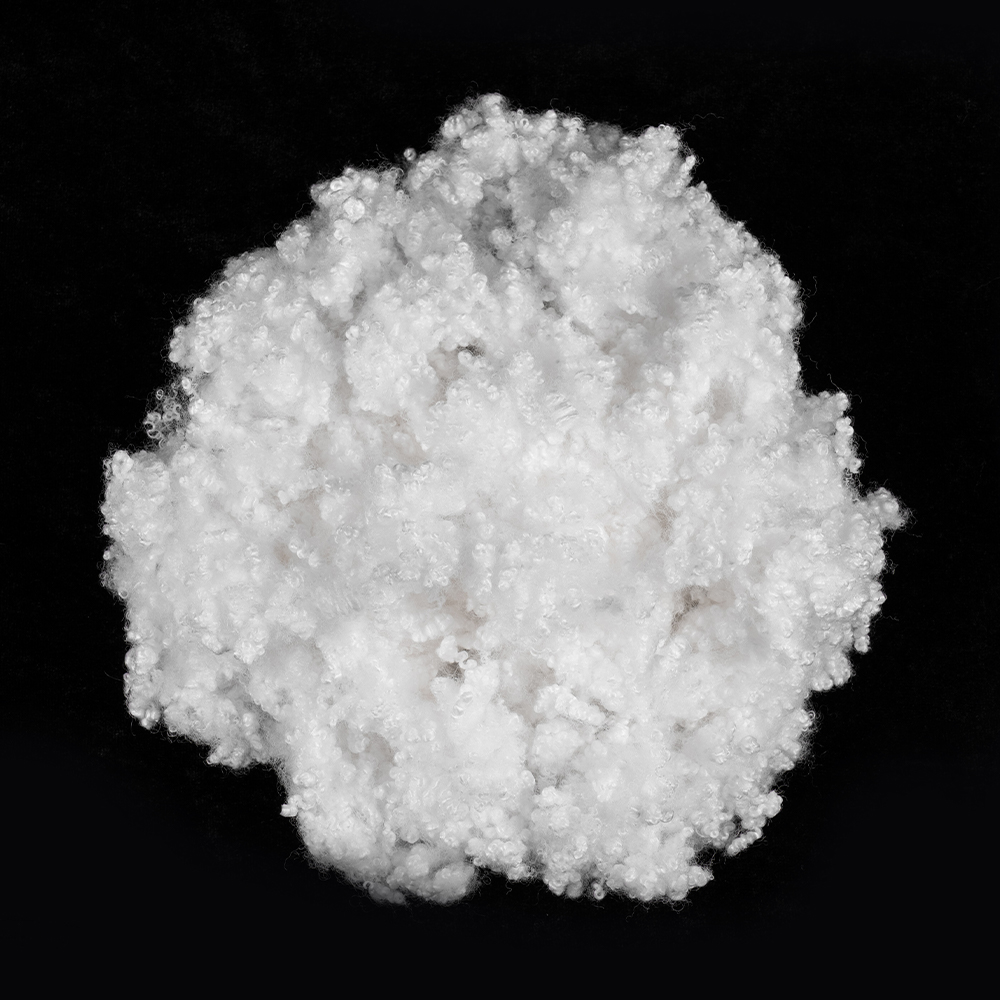
3D HCS Polyester Staple Fiber
-
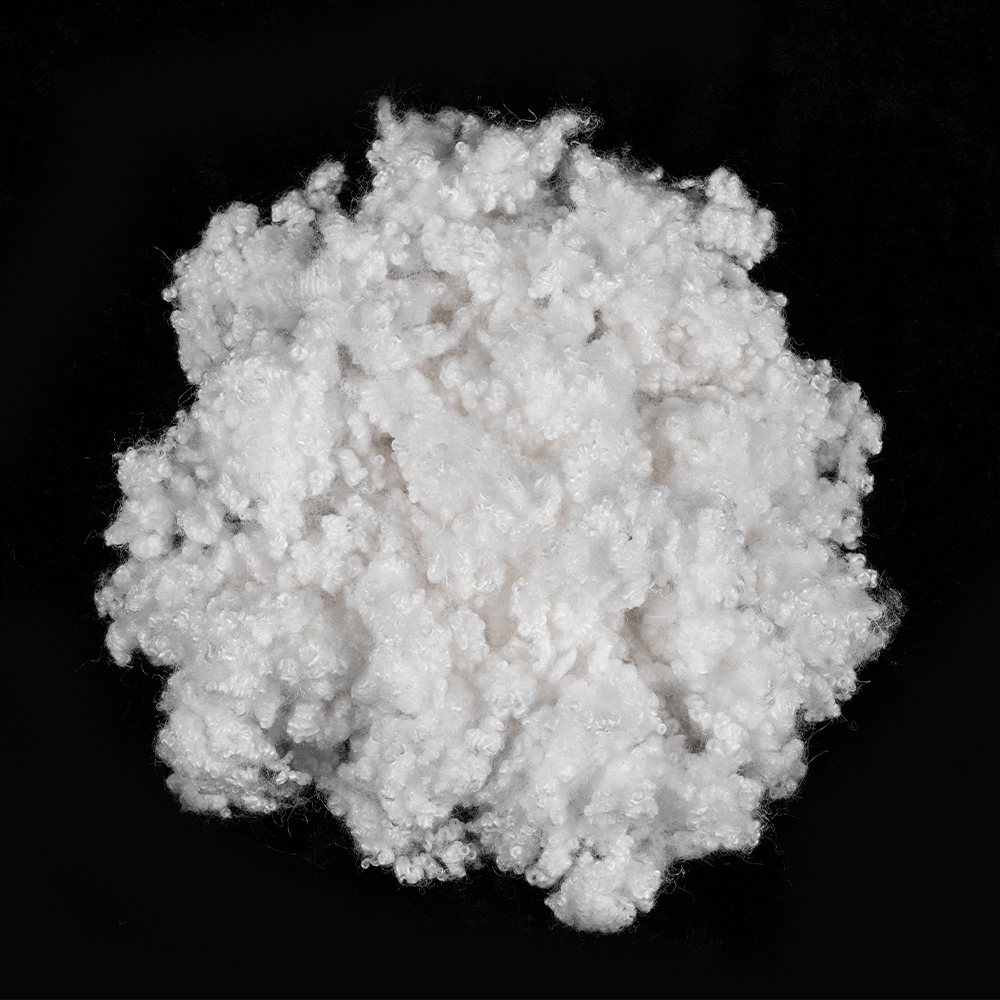
7D HCS Polyester Staple Fiber
-
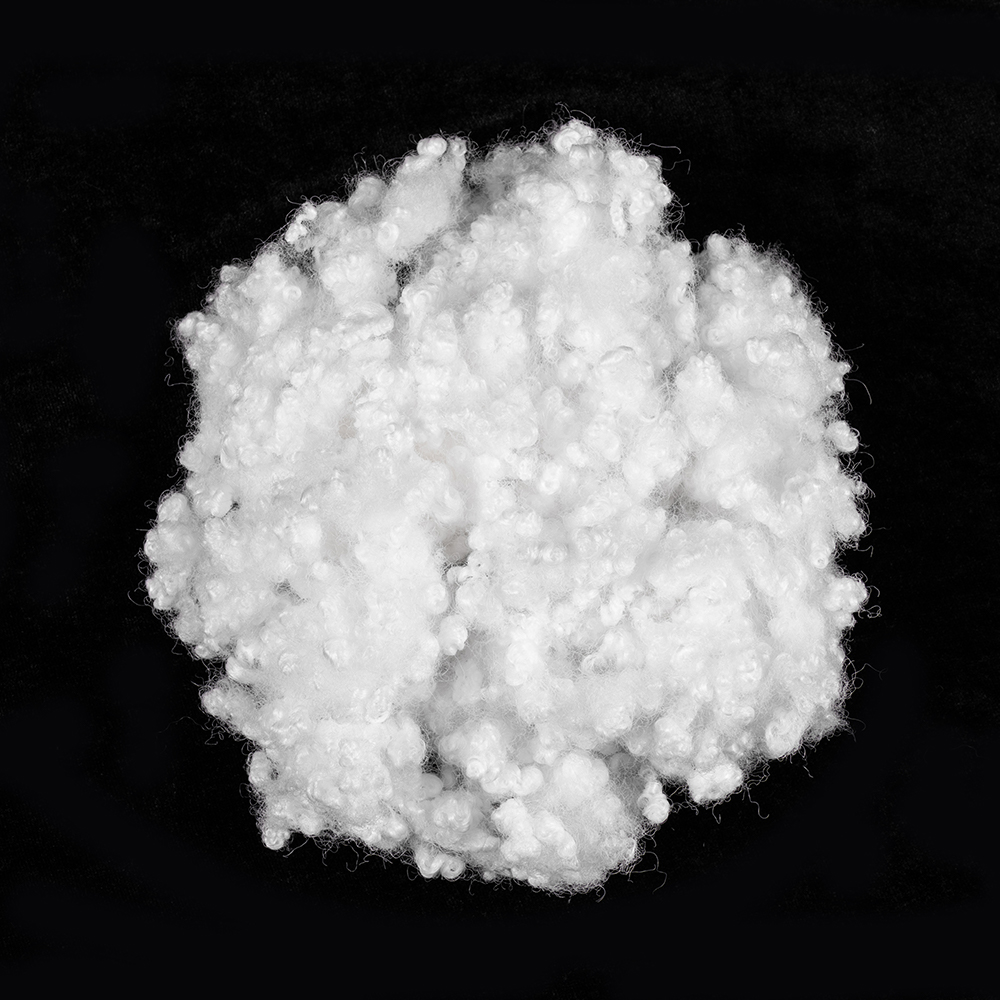
15D HCS Polyester Staple Fiber
-
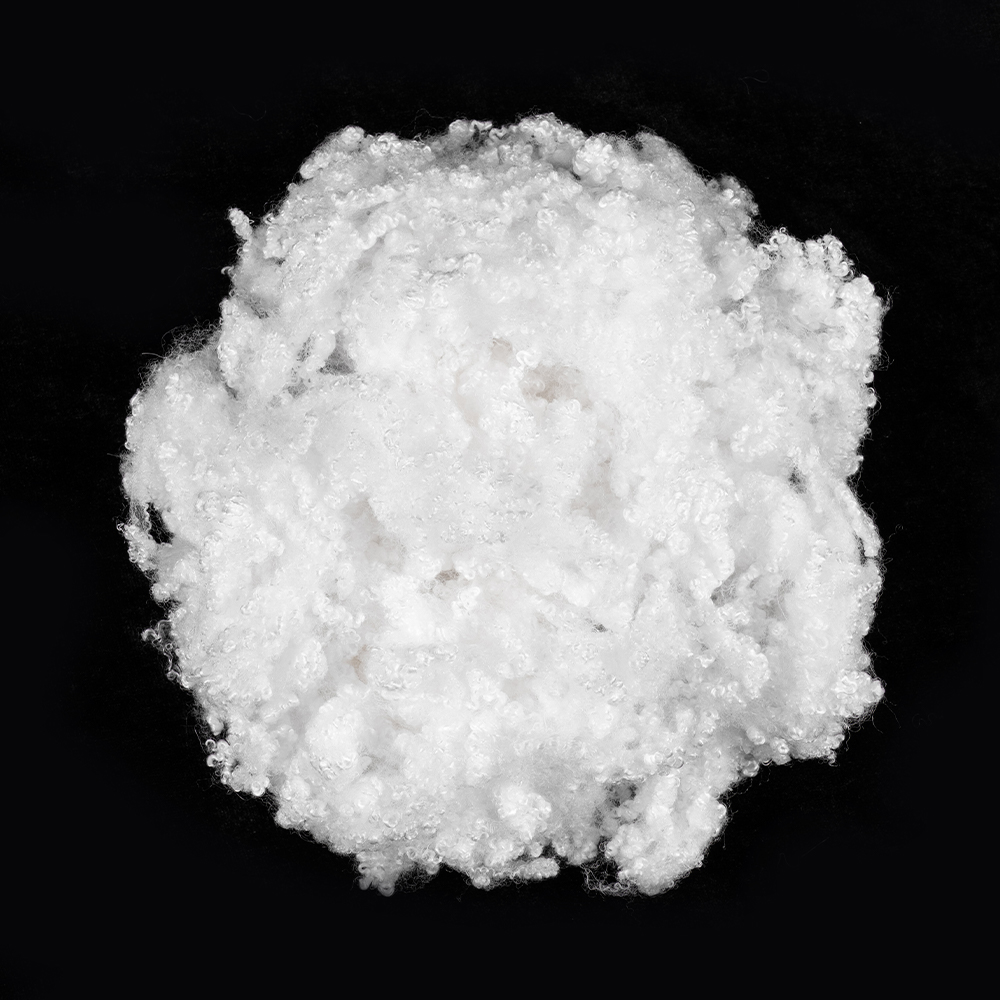
3D*64MM HC Polyester Staple Fiber
-
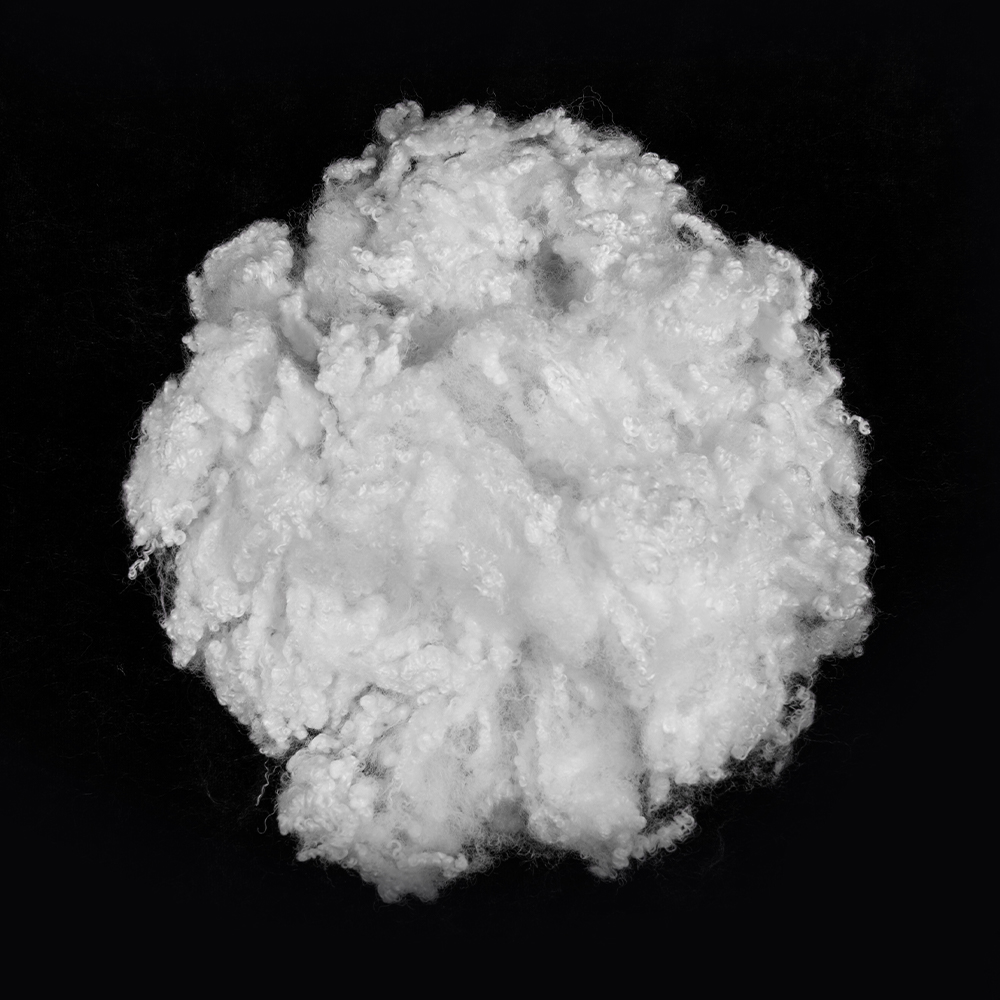
7D*64MM HC Polyester Staple Fiber
-
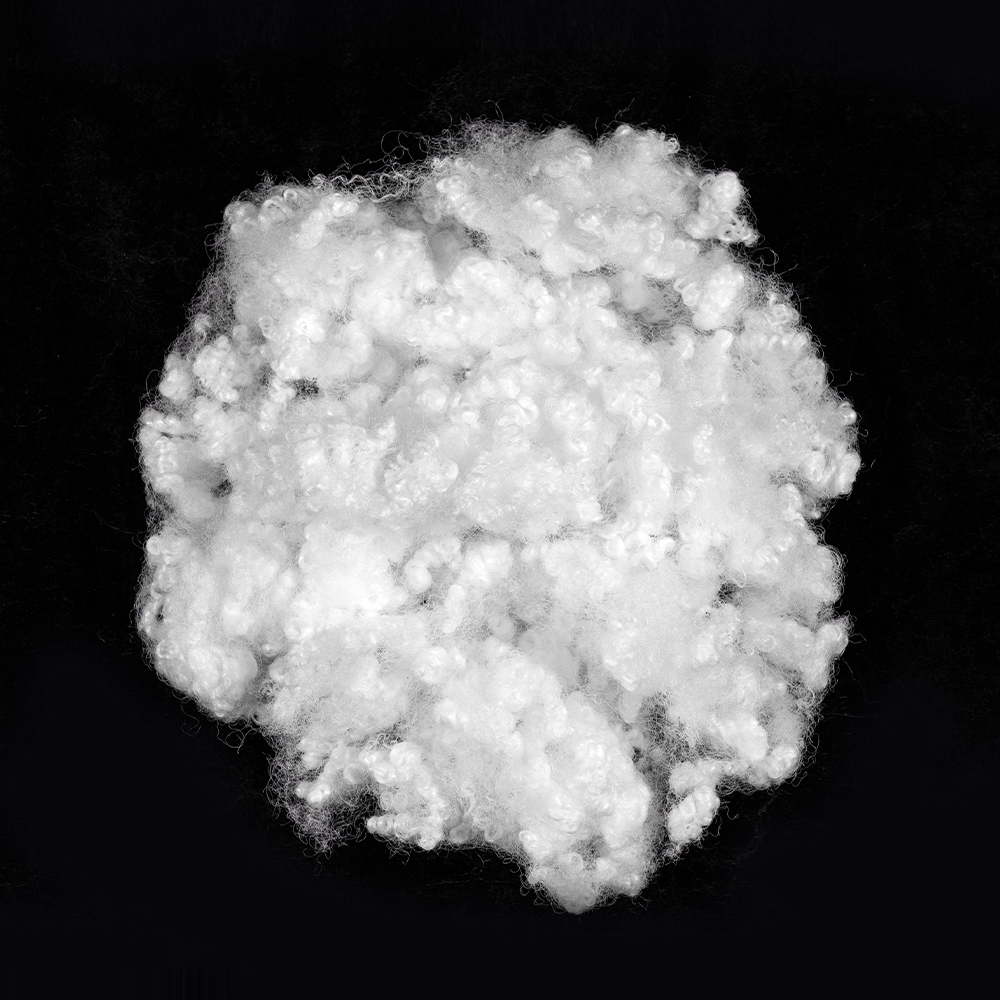
15D*64MM HC Polyester Staple Fiber
-
Quick Links
Home About Us Products FAQ News Contact Us -
Product Links
Polyester Staple Fiber Pre-oriented Yarn/POY Polyester Chip/PET Chip -
About Us
About Us Factory Honor FAQ -
Get In Touch
E-mail:
[email protected]Phone:
+86-130 8198 6637Tel:
+86-0574-63732888Address:
Haidianrong Village, Longshan Town, Cixi City, Ningbo, Zhejiang Province, China.
