中文简体
中文简体

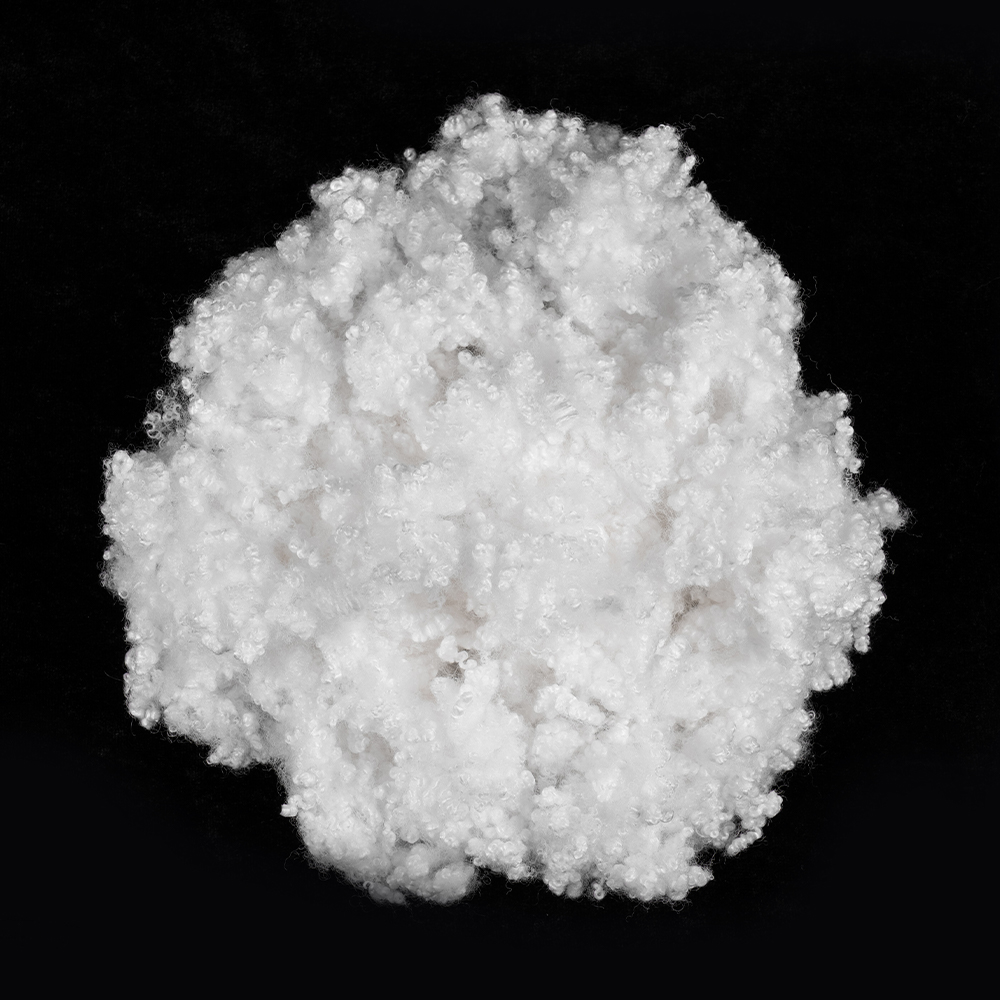
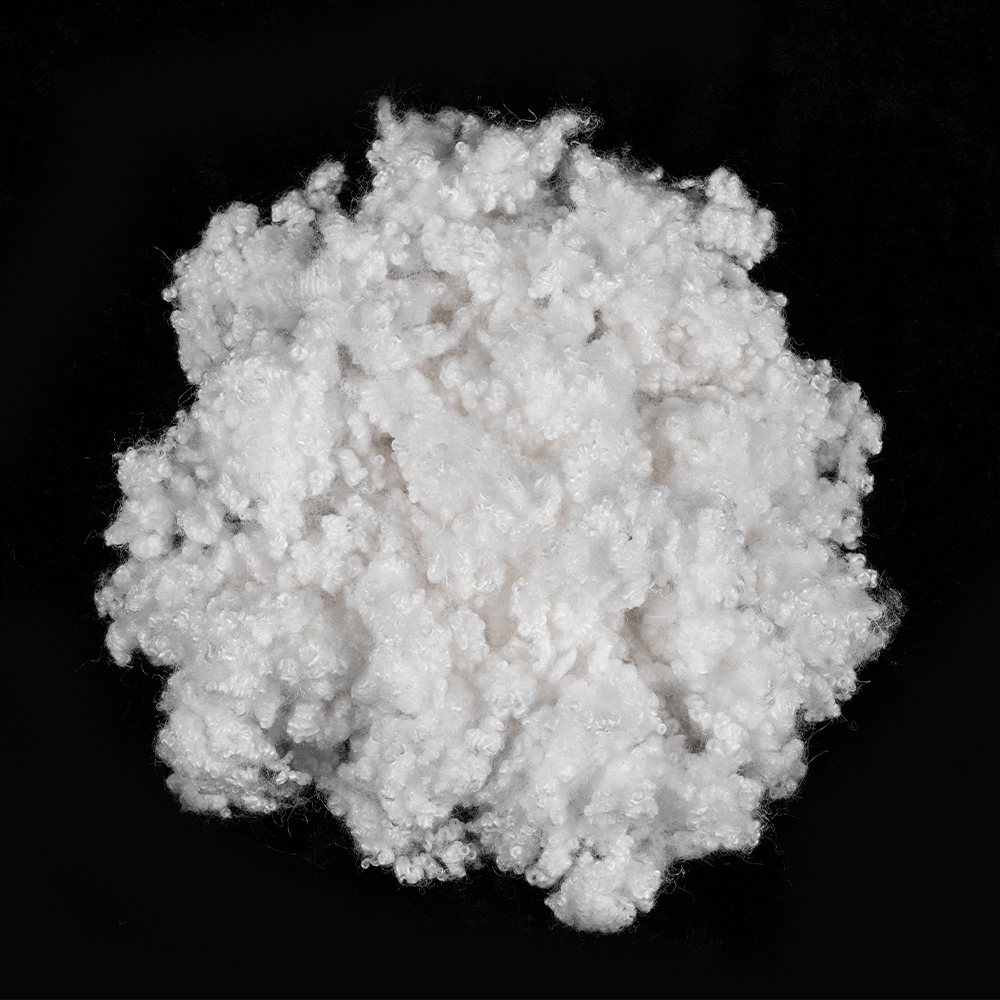
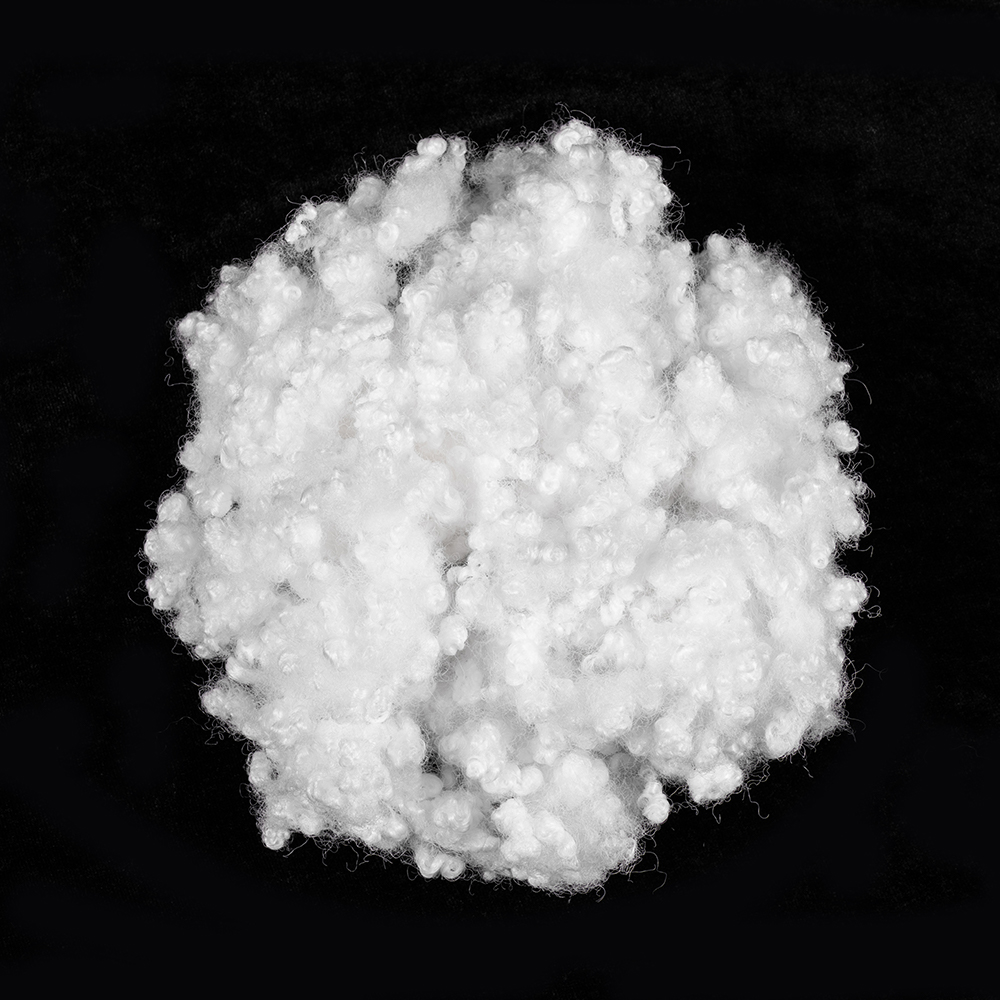
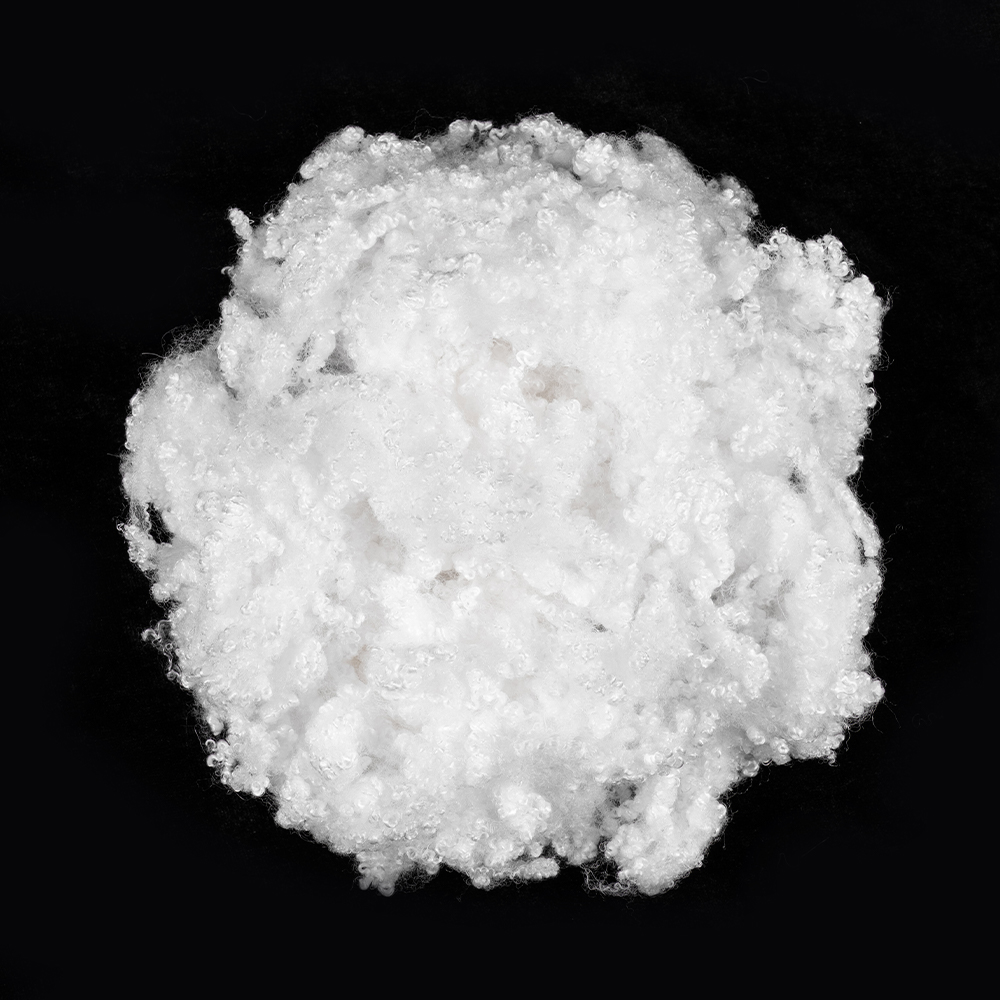
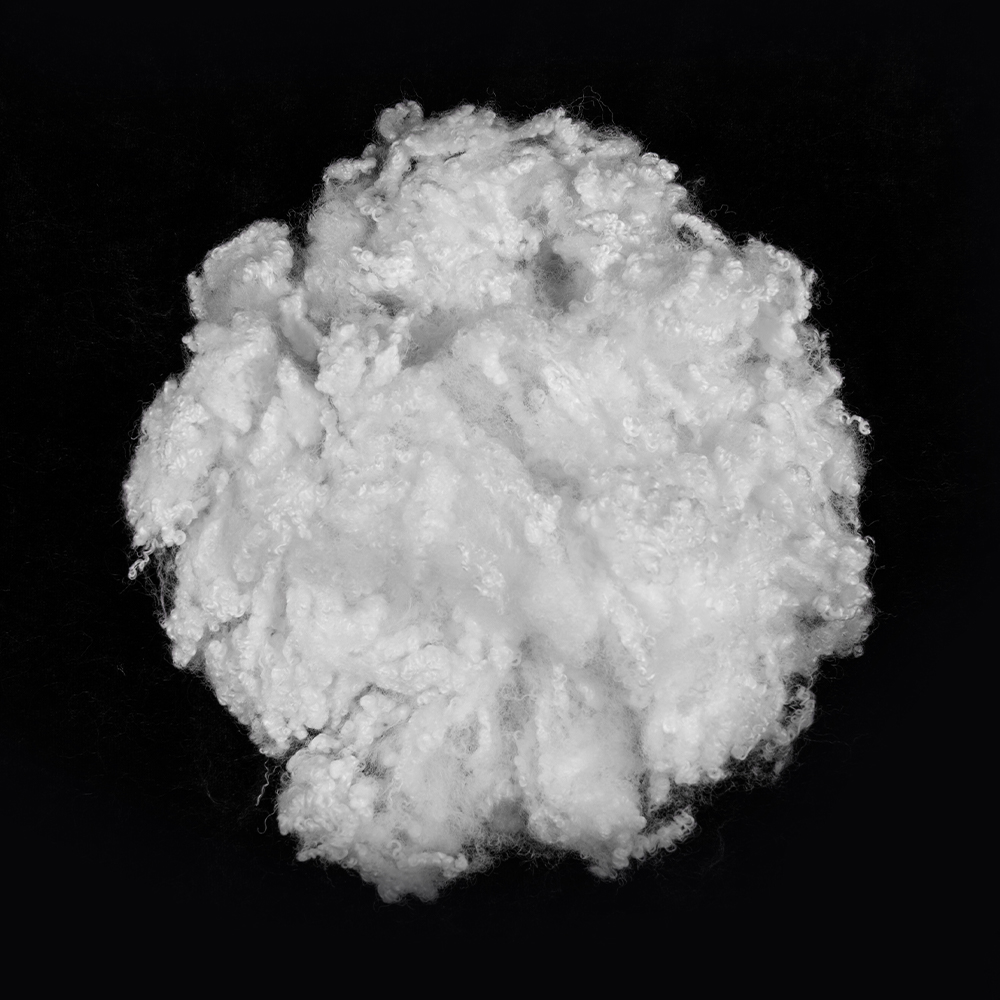
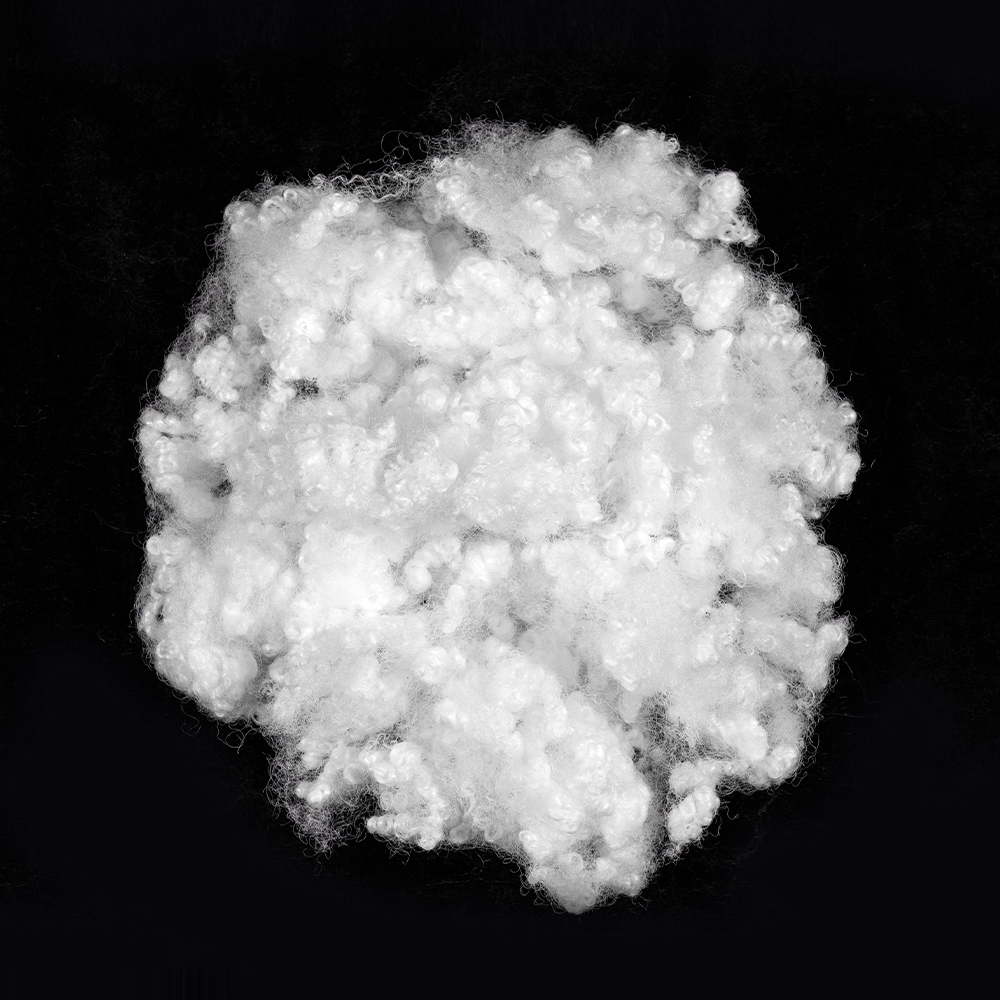
Micro Fiber 1.2D×32MM specification is better suited for frequently compressed outdoor sleeping bags and dynamic usage scenarios, while 1.2D×25MM specification is ideal for home textile products that prioritize ultimate softness with relatively fixed filling structures. In humid environments, Micro Fiber maintains significantly better warmth retention than natural down, and offers comprehensive advantages including hypoallergenic properties, machine washability, and supply chain stability. Selection should be based on end product usage frequency, compression requirements, and target temperature ratings.
How to Choose Micro Fiber Filled Sleeping Bags? Which Spec Fits Outdoor Camping Better, 1.2D×25MM or 32MM
Fill material in outdoor sleeping bags directly determines camper comfort and safety in low-temperature environments. Micro Fiber, as a 1.2D ultra-fine polyester staple fiber, achieves thermal efficiency approaching 600 fill power down through hollow structure design, while overcoming the critical weakness of natural down in wet conditions.
Matching Fiber Length to Sleeping Bag Structure
The 1.2D×25MM specification features shorter fiber length, providing even distribution after filling and a delicate touch similar to natural down. However, outdoor sleeping bags require compression storage after each use, and repeated compression can cause short fibers to shift, creating localized collapse and cold spots. The 1.2D×32MM specification, with its longer fiber length, enhances entanglement and cohesion between fibers, maintaining even fill distribution even after multiple compression and expansion cycles. This characteristic is critical for sleeping bags that must deliver reliable thermal performance in extreme conditions.
Temperature Rating and Fill Weight Calculation
Sleeping bag temperature ratings depend not solely on fill material, but on the combination of fill weight, fiber specification, and fabric structure. The 1.2D ultra-fine fiber diameter is approximately one-third to one-sixth that of conventional 3D-7D polyester fibers, enabling the formation of a denser fiber network and more micro air chambers at equivalent fill weight, increasing the tortuosity of heat conduction paths. For sleeping bags targeting a comfort temperature of minus 10 degrees Celsius, the 1.2D×32MM specification is recommended, with increased fill weight to enhance static air layer thickness.
Micro Fiber vs Natural Down: Which Is Better? A Comprehensive Comparison of Warmth, Water Resistance, and Allergies
Natural down has built powerful brand recognition in the insulation market through decades of market presence. However, Micro Fiber, as a representative of synthetic fiber technology, is demonstrating substitution potential across multiple critical dimensions.
Quantified Warmth Efficiency Comparison
At equivalent fill weight, 1.2D hollow-structure Micro Fiber can achieve warmth performance approaching that of 600 fill power down. This data comes from laboratory testing of static air layer trapping efficiency. The ultra-fine diameter of Micro Fiber enables the creation of more micro air chambers per unit volume, with each chamber acting as an independent thermal insulation unit. While individual volumes are microscopic, the cumulative effect brings the overall thermal resistance close to that of medium-quality down.
| Comparison Dimension | Micro Fiber 1.2D | Natural Down 600FP |
| Warmth Efficiency | Approaching 600FP level | Baseline reference |
| Humid Environment Performance | Maintains loft structure, warmth unaffected | Loft significantly reduced, severe warmth loss |
| Allergy Risk | No protein content, allergen-free | Contains animal protein, allergies in some individuals |
| Leakage Issue | Specially treated fibers, no migration risk | Possible quill penetration through fabric |
| Maintenance | Machine washable, quick dry, low maintenance cost | Requires professional cleaning, long drying time |
| Supply Stability | Chemical synthesis, stable supply chain | Affected by breeding cycles and market volatility |
Fundamental Differences in Water Resistance
The fatal weakness of natural down lies in structural collapse when wet. When saturated, the air layers between down clusters are destroyed, warmth performance can drop by over 70 percent, and recovery to full loft requires hours or even days of drying time. Micro Fiber polyester substrate does not absorb water, and the hollow structure maintains intact air layers in humid environments, with warmth performance virtually unaffected. This characteristic makes Micro Fiber the superior choice for rainy regions and high-humidity environments.
Medical Considerations for Allergy Issues
Down allergies stem from immune reactions to animal proteins, with symptoms including skin irritation and respiratory discomfort. Micro Fiber, as pure polyester material, contains no protein components, fundamentally eliminating allergy risks. Furthermore, its dense fiber structure provides a physical barrier against dust mites, reducing allergen breeding environments. For households with allergy-sensitive members, Micro Fiber filled products offer a safer alternative.
Is Micro Fiber Suitable for Premium Down Jacket Fill? Pros and Cons of Down Substitution
The core demands of the premium down jacket market center on lightweight construction, high loft, and ultimate warmth. Whether Micro Fiber can compete in this domain depends on precise understanding of product positioning.
Substitutability of Touch Experience
Micro Fiber successfully replicates the soft, light, and fluffy tactile sensation of natural down by controlling fiber fineness at the 1.2D level. This down-like tactile fiber has found clear positioning in the premium home textile and outdoor apparel markets: satisfying consumer demand for down-like experience while enjoying the durability and maintenance advantages of synthetic materials. Under blind testing conditions, average consumers find it difficult to distinguish 1.2D Micro Fiber fill from medium fill power down fill through touch alone.
Down-like Tactile: 1.2D ultra-fine diameter delivers softness approaching natural down
Structural Stability: Polyester substrate ensures no collapse over extended use, lifespan reaching 5 to 8 years
Maintenance Convenience: Supports machine washing and low-temperature drying, care costs far below down products
Environmental Adaptation: Maintains warmth performance in humid environments, applicable across broader scenarios
Trade-offs in Lightweight and Compressibility
Natural down maintains advantages in compression ratio and recovery speed. An 800 fill power down jacket can compress to minimal volume and spring back to full loft rapidly. Micro Fiber is slightly inferior in compressibility, but for daily wear and general outdoor activities that do not require ultimate compression ratios, this difference does not constitute a usage barrier. In fact, Micro Fiber's slightly higher volume after filling provides better structural support, giving garments a more structured silhouette.
Acceptance Trends in Premium Markets
As global down price volatility intensifies and animal welfare concerns rise, an increasing number of brands are exploring synthetic fill alternatives. The supply chain stability and cost predictability offered by Micro Fiber make it an important option for brands seeking to reduce risk in premium product lines. Particularly among export-oriented brands, Micro Fiber products certified to international textile standards have gained widespread recognition in European, North American, and Asia-Pacific markets.
How to Choose Micro Fiber Fill Materials? A Buying Guide for Home Textiles and Outdoor Sleeping Bags
Different application scenarios impose significantly different requirements on fill materials. Home textiles pursue ultimate comfort experience and visual fluffiness, while outdoor gear emphasizes reliability and durability under extreme conditions.
Selection Points for Home Textiles
Comforters, pillows, and other home products typically do not require frequent compression, with relatively fixed filling structures. The ultra-short fiber length of the 1.2D×25MM specification ensures even distribution after filling, avoiding localized clumping that longer fibers might cause. Its delicate touch is particularly noticeable during direct skin contact, suitable for creating premium sleep experiences. When selecting, attention should be paid to matching fill weight with target loft. Generally, 200 to 300 grams per square meter achieves an ideal balance of warmth and lightness.
Selection Points for Outdoor Sleeping Bags
Sleeping bags require compression storage after each use, imposing extremely high demands on fill material compression resistance. The long fiber design of the 1.2D×32MM specification enhances cohesion between fibers, maintaining even fill distribution even after repeated compression and expansion cycles, preventing cold spot formation. Additionally, the variable nature of outdoor environments requires fill materials to maintain warmth performance under humid conditions, where Micro Fiber polyester substrate possesses inherent advantages.
Cross-Scenario Universal Selection Principles
Regardless of application scenario, the following principles should guide Micro Fiber fill material selection: First, evaluate compression recovery needs based on end product usage frequency, prioritizing the 32MM specification for high-frequency compression scenarios. Second, calculate required fill weight based on target temperature ratings, as the dense structure of ultra-fine fibers enables equivalent warmth at lower weights. Finally, verify chemical compatibility between fibers and fabrics, coatings, and other auxiliary materials to avoid performance loss during post-processing.
Is Micro Fiber Suitable for Humid Environments? Waterproof Warmth Performance Comparison for Outdoor Gear Fill Materials
Humid environments represent the most rigorous test of fill material real-world performance. Whether in high-humidity regions for daily use or outdoor activities in rain and snow conditions, material waterproof warmth performance directly relates to user safety and comfort.
Warmth Retention Mechanism in Humid Conditions
Micro Fiber warmth principle is based on static air layer trapping. The 1.2D ultra-fine fiber forms a denser network structure than conventional fibers at equivalent weight, generating more micro air chambers. The still air within these chambers serves as the actual thermal insulation medium. In humid environments, the non-absorbent nature of polyester fibers ensures the fibers themselves do not gain weight or collapse, and the air layers within hollow structures remain intact, so warmth performance is virtually unaffected. In contrast, natural down clusters collapse when wet, air layers are destroyed, and warmth performance drops precipitously.
Real-World Application Scenario Validation
In tropical rainforest hiking, coastal high-humidity camping, and winter mixed rain-snow weather scenarios, Micro Fiber filled gear consistently outperforms down filled alternatives. User feedback indicates that in environments with relative humidity exceeding 80 percent, Micro Fiber sleeping bags show minimal difference in warmth experience compared to dry conditions, while down sleeping bags require additional waterproof liners or treatments to maintain basic performance. For outdoor workers and explorers who need reliable performance in variable climates over extended periods, Micro Fiber provides more dependable safety assurance.
Drying Speed and Maintenance Convenience
Even though Micro Fiber maintains warmth performance in humid environments, gear still requires cleaning and drying after extended use. Micro Fiber supports machine washing and low-temperature drying, with significantly shorter drying times than down products. In outdoor environments, this difference translates to faster gear turnaround and lower maintenance burden. For expedition teams and climbing groups that need to frequently change usage locations, the low-maintenance characteristics of Micro Fiber offer significant practical value.
Micro Fiber 1.2D series fill materials achieve warmth efficiency and tactile experience approaching natural down through ultra-fine fiber technology, while establishing significant advantages in humid environment adaptability, allergy safety, and maintenance convenience. The 1.2D×25MM specification suits home products pursuing ultimate softness with relatively fixed usage scenarios, while the 1.2D×32MM specification better serves outdoor gear requiring frequent compression and facing variable environments. Selection should comprehensively consider end product usage frequency, compression requirements, target temperature ratings, and usage environment to choose the most matched fiber specification and fill solution.