-
 Welcome to Huaxing Technology
-
 Email us: [email protected]


 中文简体
中文简体

What Is Low Melt Fiber?
Content
- 1 How the Sheath-Core Structure Actually Bonds Fibers
- 2 Low Melt Fiber Specifications at a Glance
- 3 Fiber Grades You Can Order Direct From the Mill
- 4 Where Low Melt Fiber Does the Work
- 5 Why the Fiber Is Considered an Eco-Friendly Filling Material
- 6 Picking a Grade: Denier, Length, and Melt Point
- 7 Frequently Asked Questions
Low Melt Fiber is a specialty Polyester Staple Fiber built with a sheath-core structure: the outer sheath melts at a lower temperature than the inner core. When heat is applied during processing, the sheath softens and fuses fibers together at contact points, while the core stays intact to hold the material's shape. The result is a fabric or filling that bonds without a drop of chemical adhesive — which is why it is widely known as Thermal Bonding Fiber.
Because it replaces spray glue and resin binders, Low Melt Fiber has become a standard input for nonwoven production, mattress and pillow filling, automotive interior panels, and a range of industrial materials that need a strong bond with low VOC output.
How the Sheath-Core Structure Actually Bonds Fibers
The bonding mechanism is purely physical, not chemical. Every filament has two layers: a low-melting-point polyester sheath wrapped around a higher-melting-point polyester core. During hot-air or hot-roller processing, only the sheath liquefies.
Hot air or a heated roller raises the fiber batt to the sheath's melting range, typically 110°C to 180°C depending on the grade.
Only the outer layer softens at contact points between fibers; the core remains solid and keeps its original shape.
As the material cools, the melted sheath resolidifies into a fixed bonding point, giving the fiber batt strength and structure.
Because no adhesive is added, the finished material stays 100 percent polyester, which keeps it lightweight, chemically stable, and easier to recycle than glue-bonded composites. Processors also gain an energy advantage: bonding temperatures typically run 30°C to 50°C lower than conventional hot-melt adhesive lines, cutting energy use by roughly 15 to 25 percent.
Low Melt Fiber Specifications at a Glance
Grades are selected by denier (fiber thickness) and cut length, since these two variables control bonding strength, softness, and how the fiber packs into a mold or filling cavity.
| Grade | Specification | Key Trait | Typical Use |
| 4D x 64mm | 4 Denier, 64mm cut | Robust structure, high bonding efficiency for bulk production | Nonwoven lines, large sofa and mattress filling |
| 4D x 51mm H | 4 Denier, 51mm cut | Higher cohesion and peel strength, long-term shape retention | Load-bearing sofa and mattress parts, auto structural components |
| 2D x 51mm | 2 Denier, 51mm cut | Finer fiber, softer hand feel, good conformability | Home textile filling, softer nonwoven layers |
Fiber Grades You Can Order Direct From the Mill
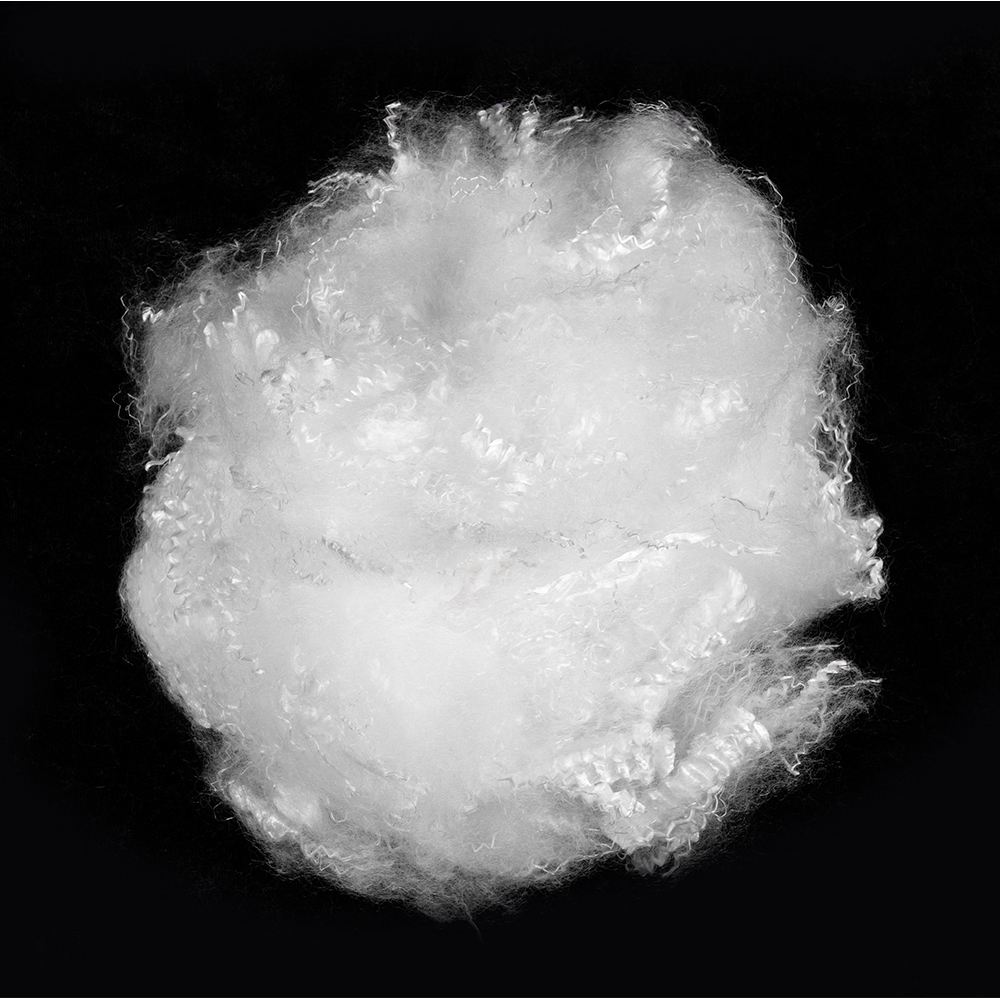
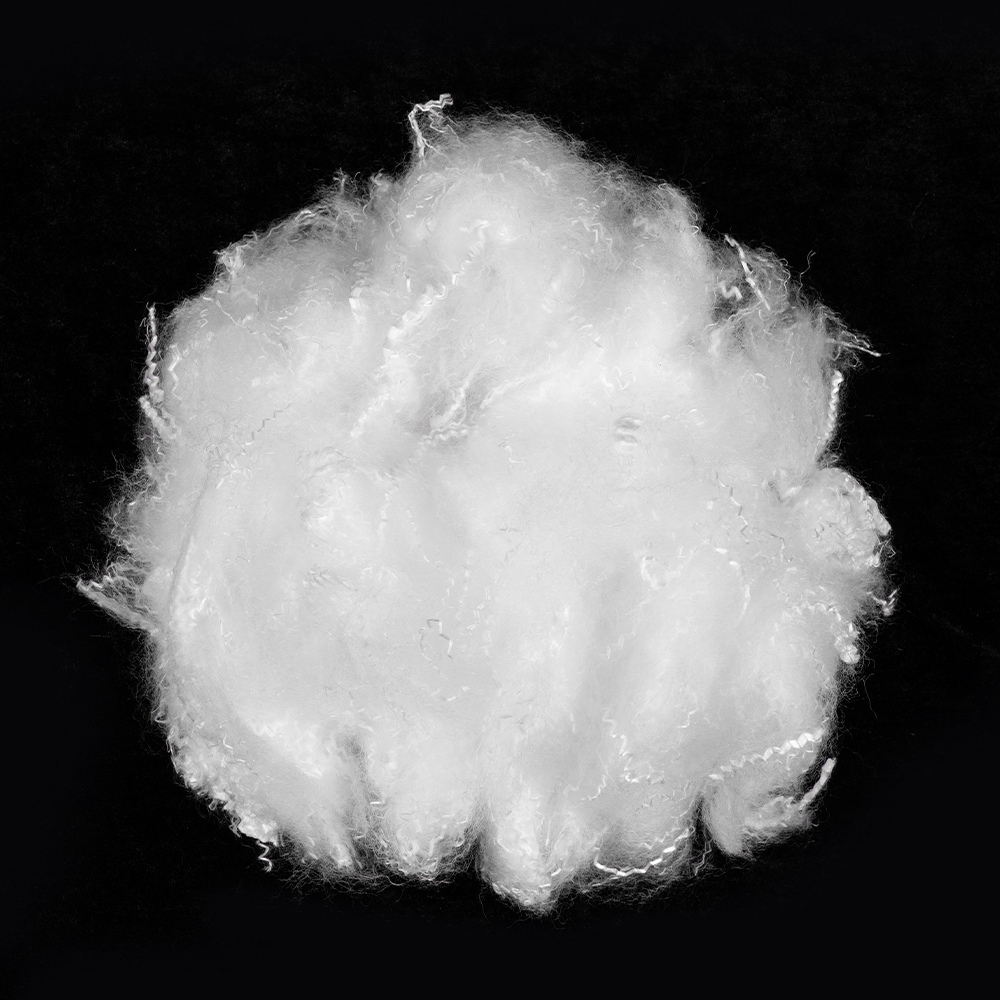
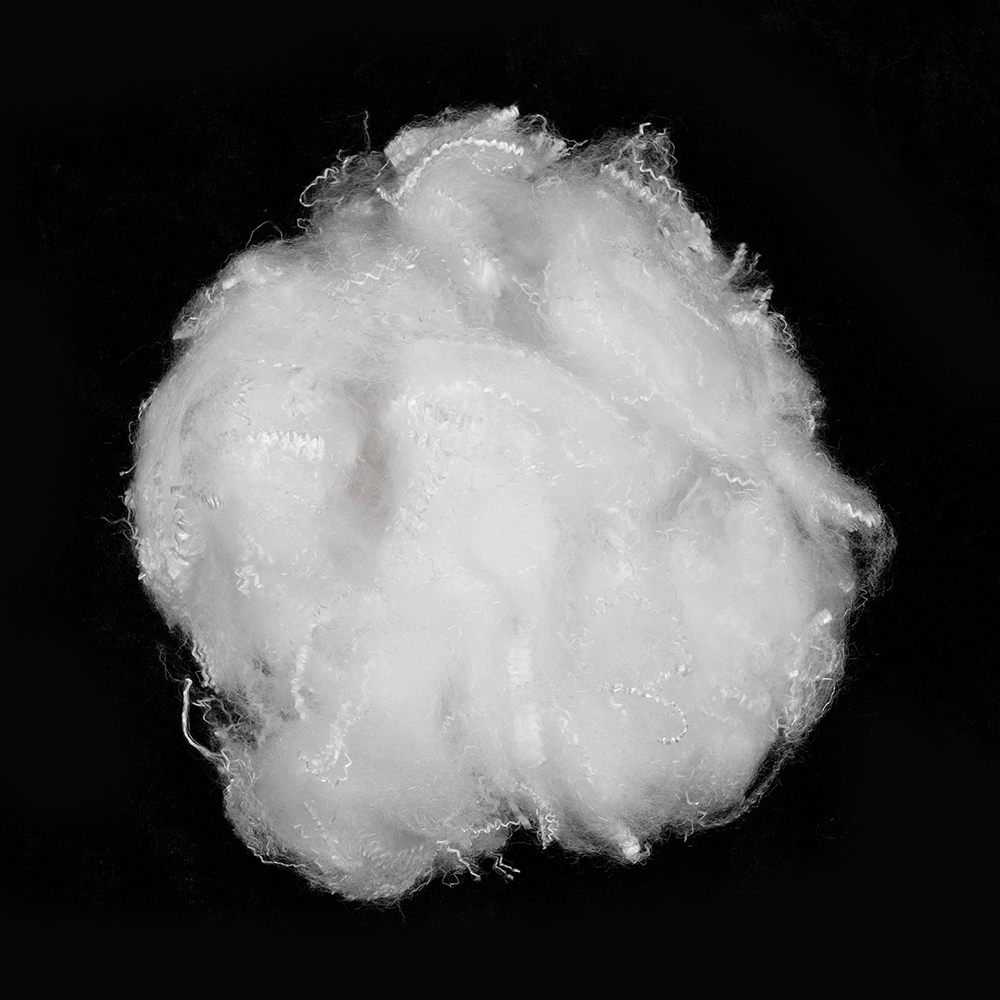
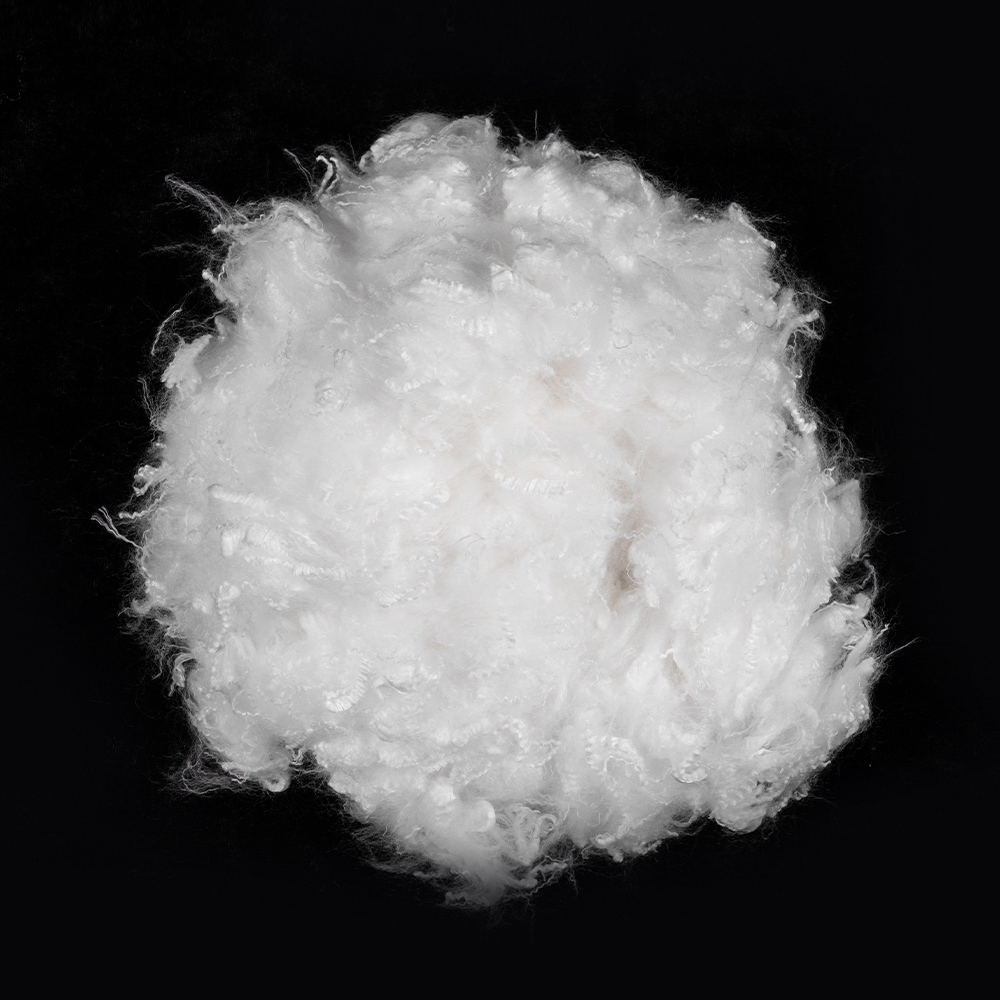
These are production-line grades of Low Melt Fiber and Micro Fiber currently offered, covering denier and length combinations for filling, nonwoven, and thermal insulation applications.
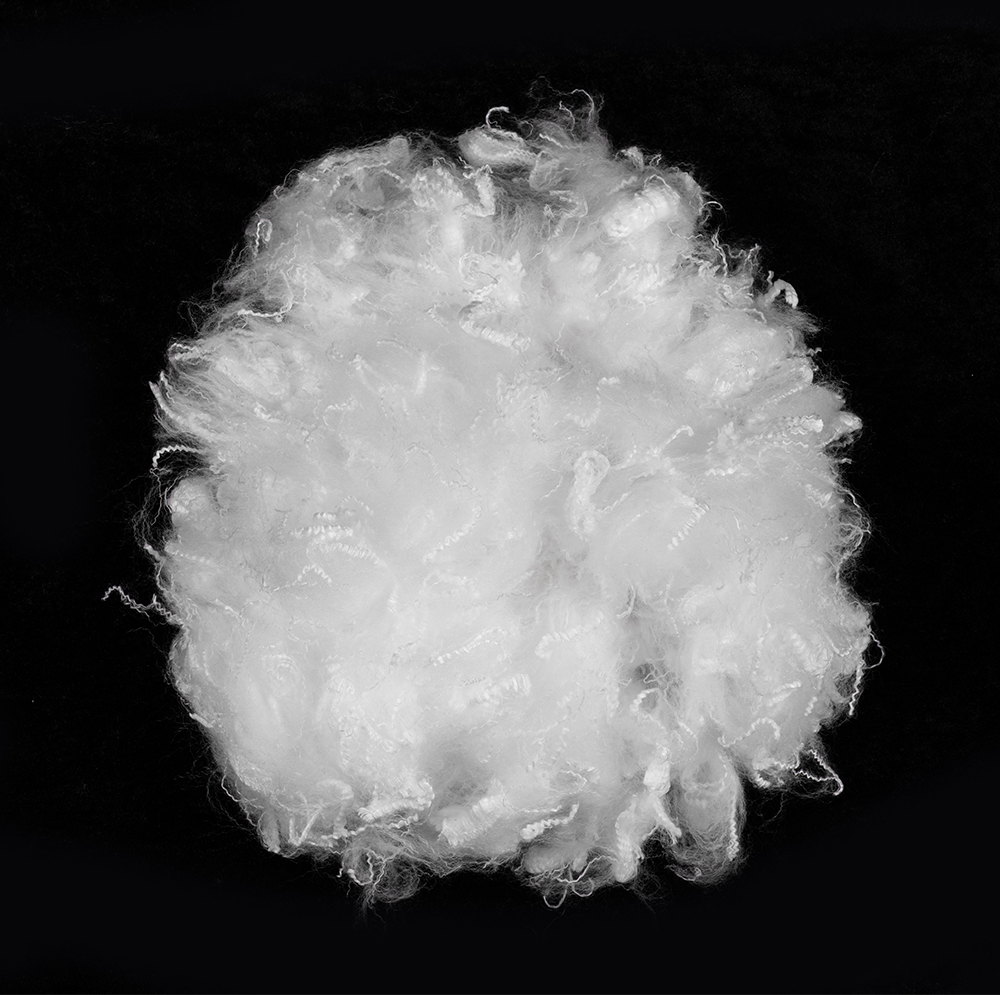
Where Low Melt Fiber Does the Work
Because it bonds under heat alone, Low Melt Fiber shows up anywhere a manufacturer wants strength without chemical residue.
| Sector | Role of Low Melt Fiber | Measured Benefit |
| Home Textiles | Pillow core filling, quilt filling fiber, sofa and cushion filling, mattress filling fiber | Peel strength up 20 to 30 percent versus spray-glue layers |
| Automotive Interior Materials | Bonding door panel and headliner substrates | TVOC emissions cut 40 to 60 percent versus adhesive bonding |
| Industrial and Nonwoven Fabric Production | Filter media, geotextiles, sound insulation boards, hygiene material layers | Firm layer bonding without clogging fiber pores |
In mattress production, a 4D*64HMM layer bonded purely by heat holds together as well as, or better than, a spray-glue layer, while skipping the odor and cure time that come with liquid adhesives. In automotive interiors, the same logic applies to headliners and door panels, where low VOC output is now a purchasing requirement rather than a bonus feature.
Why the Fiber Is Considered an Eco-Friendly Filling Material
Lower Process Heat
Bonding temperatures sit 30°C to 50°C below hot-melt adhesive lines, trimming energy spend on every production run.
No Formaldehyde or Benzene Compounds
Zero chemical adhesive means nothing to off-gas, which is why buyers treat it as a genuine Eco-friendly Filling Material.
Single-Material Recycling
A pure polyester construction, sheath and core alike, is far easier to reclaim and reprocess than a glue-bonded composite.
Picking a Grade: Denier, Length, and Melt Point
Grade selection comes down to three questions before placing an order with a Low Melt Fiber Manufacturer.
- How much bonding strength does the part need? Load-bearing parts, such as sofa frames or auto structural components, favor the 4D*51MM H grade for its higher cohesion.
- How soft must the finished hand feel be? The 2D*51MM grade's finer fiber structure suits filling that touches skin or fabric directly.
- What is the production line's throughput? The 4D*64HMM grade is built for high-volume, high-efficiency nonwoven and filling lines.
As a China Polyester Fiber Manufacturer running direct spinning and finishing in-house, a Wholesale Polyester Staple Fiber supplier can usually match denier, length, and sheath-core ratio to a client's existing equipment rather than asking the client to change its process.
Frequently Asked Questions
What temperature does Low Melt Fiber bond at
The sheath typically melts between 110°C and 180°C, with the exact point set by the sheath-core ratio and the degree of polyester modification.
Does it fully replace chemical adhesive
Yes. The sheath itself acts as the bonding agent, so no separate glue, resin, or spray adhesive is added during processing.
Is Low Melt Fiber suitable for automotive parts
Yes, particularly the higher-strength 4D*51MM H grade, which is built for structural components that must resist vibration and heat cycling while keeping VOC output low.
How should the fiber be stored before use
Keep it dry, ventilated, and out of direct light, away from high heat and humidity, with packaging protected from crushing or puncture during transport.
Can denier and length be customized
Most manufacturers support custom denier, cut length, and thermal bonding temperature ranges to match a client's specific line and end product.
Ningbo Huaxing Technology Co., Ltd.
-
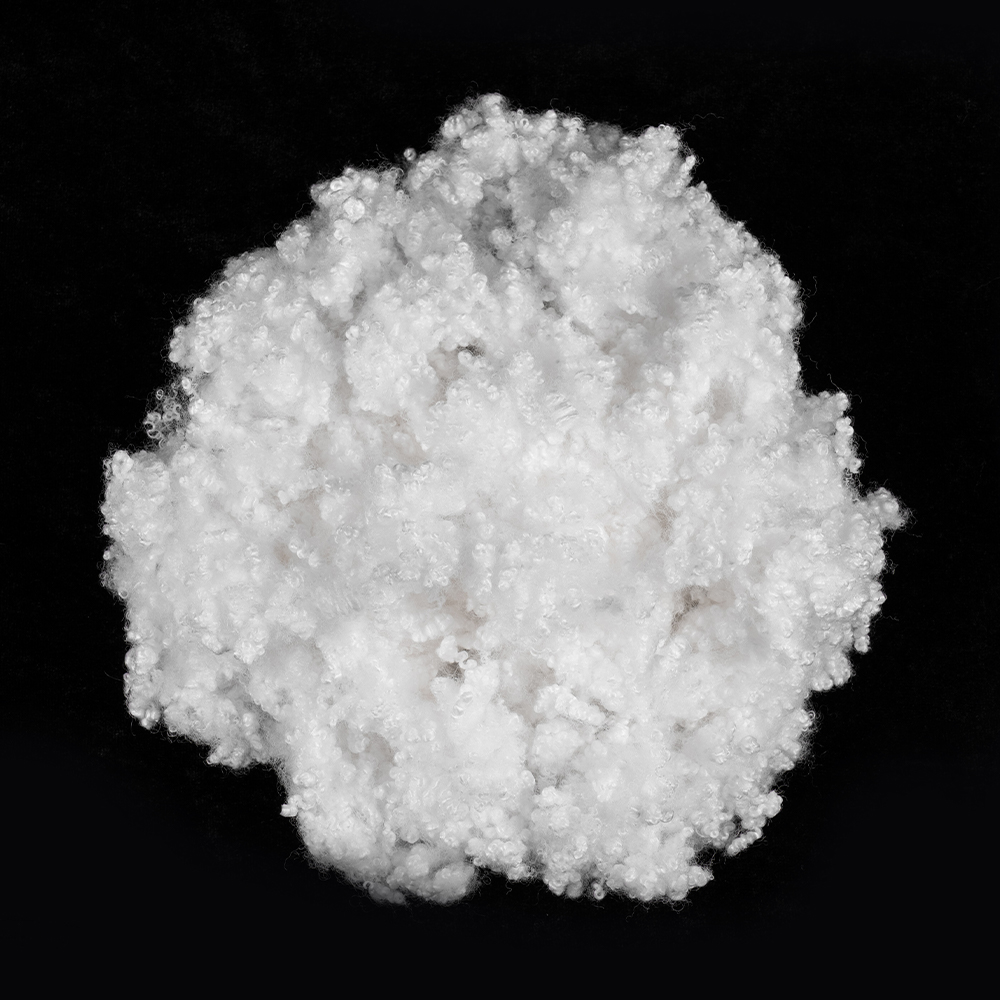
3D HCS Polyester Staple Fiber
-
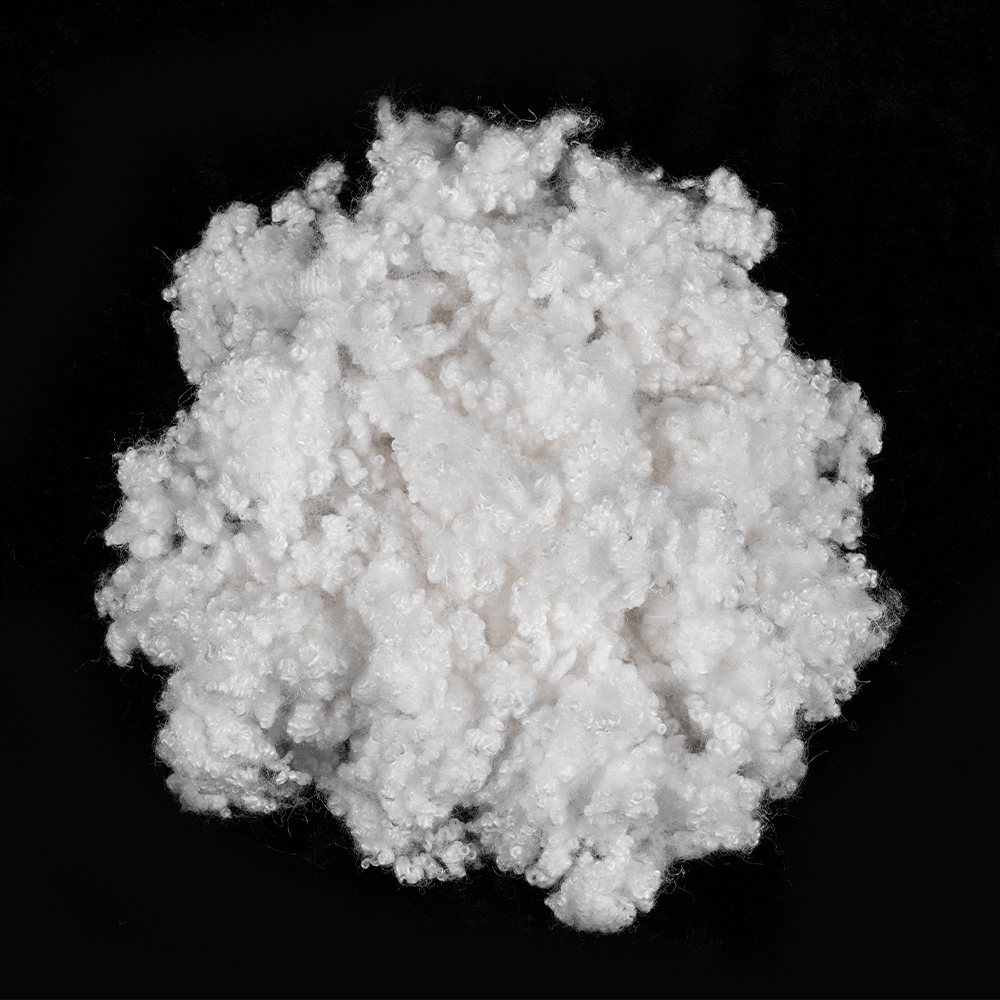
7D HCS Polyester Staple Fiber
-
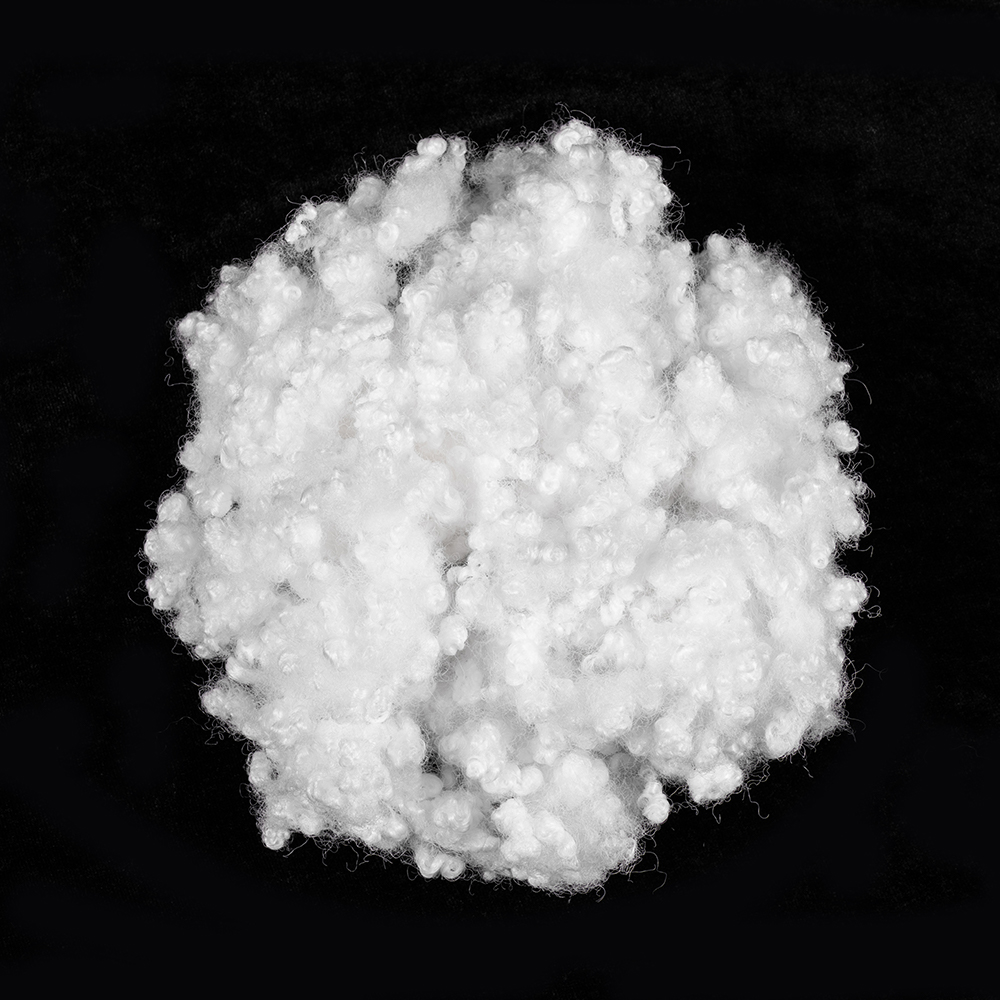
15D HCS Polyester Staple Fiber
-
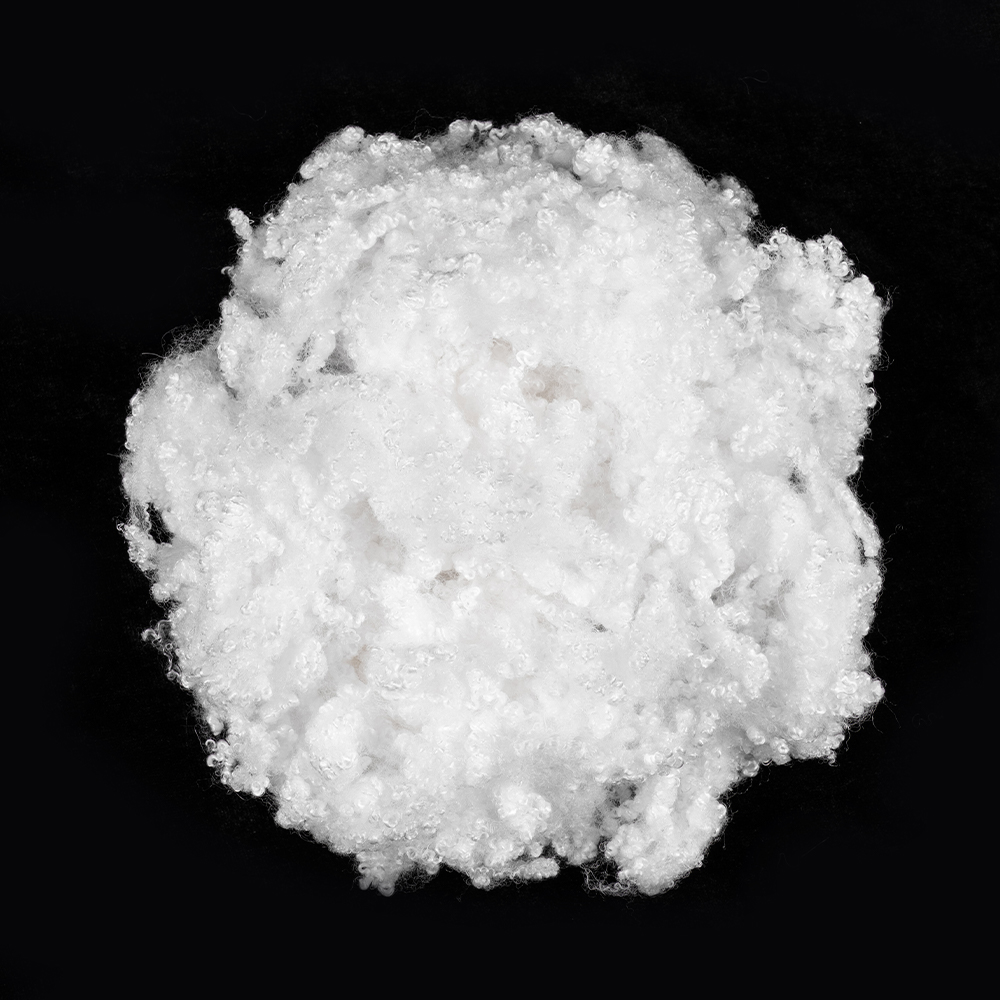
3D*64MM HC Polyester Staple Fiber
-
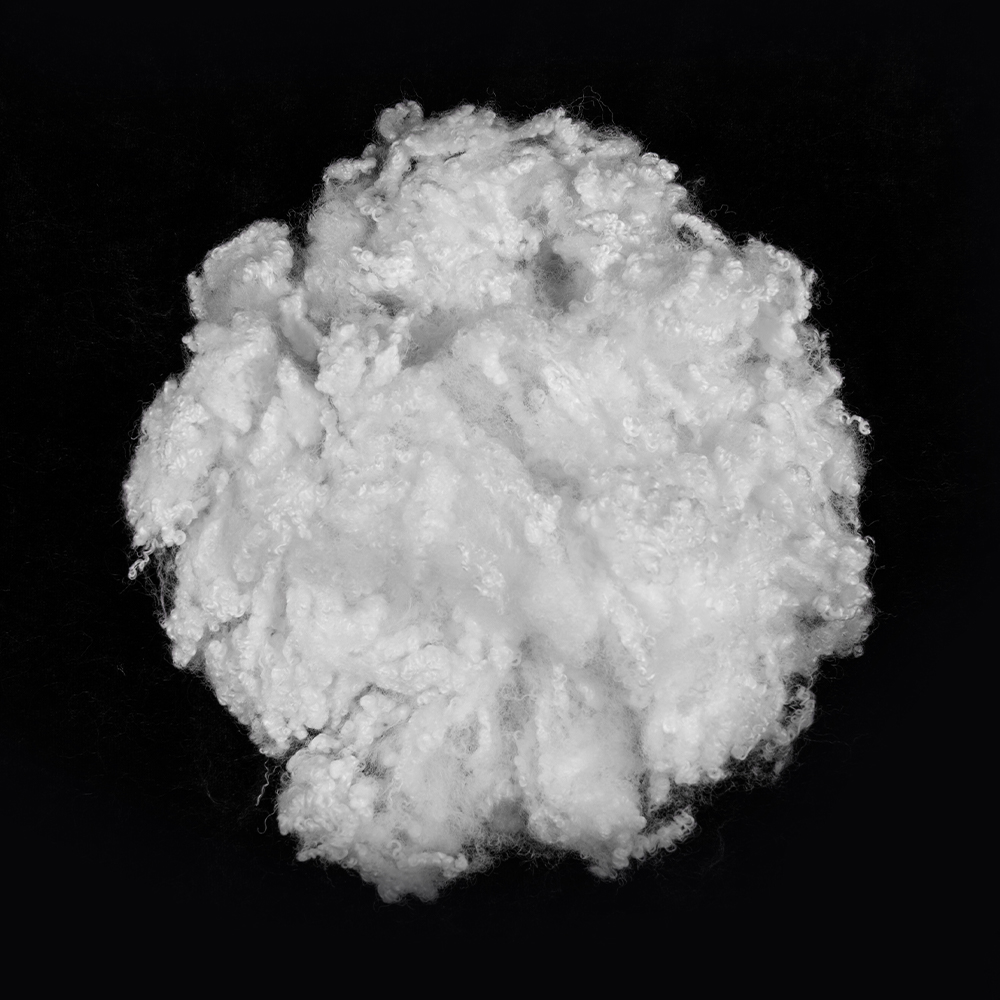
7D*64MM HC Polyester Staple Fiber
-
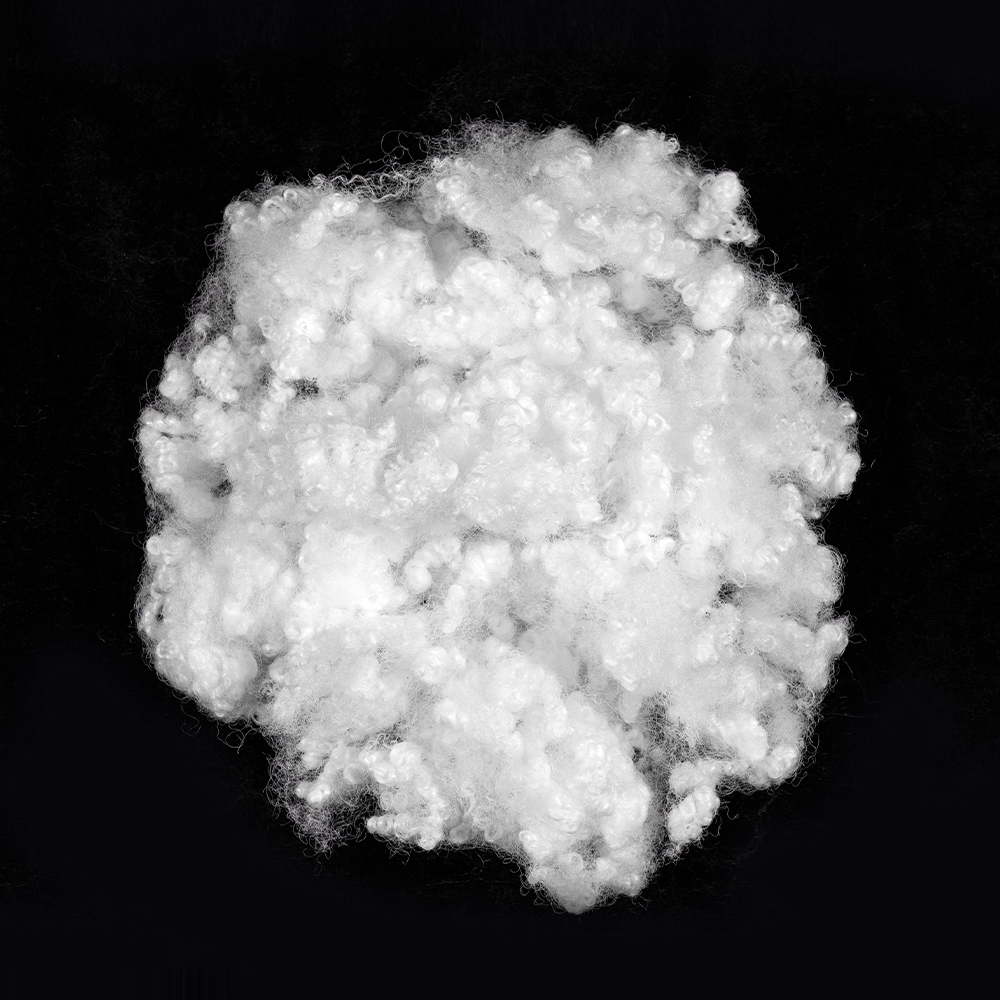
15D*64MM HC Polyester Staple Fiber
-
Quick Links
Home About Us Products FAQ News Contact Us -
Product Links
Polyester Staple Fiber Pre-oriented Yarn/POY Polyester Chip/PET Chip -
About Us
About Us Factory Honor FAQ -
Get In Touch
E-mail:
[email protected]Phone:
+86-130 8198 6637Tel:
+86-0574-63732888Address:
Haidianrong Village, Longshan Town, Cixi City, Ningbo, Zhejiang Province, China.
