-
 Welcome to Huaxing Technology
-
 Email us: [email protected]


 中文简体
中文简体

What is HC polyester staple fiber?
Content
HC polyester staple fiber is a non-silicone oil hollow conjugated polyester staple fiber. It is spun from polyethylene terephthalate (PET) chips into a hollow, tube-shaped cross-section and finished with a permanent three-dimensional helical crimp, but unlike standard HCS fiber it skips the silicone oil coating during finishing. The result is a fiber bundle with tighter inter-fiber friction, stronger cohesion and better shape retention, which makes it a preferred filling and reinforcement material for premium quilts, pillows, sofas, mattresses, automotive interiors and filtration media.
How HC Polyester Staple Fiber Is Made
The production route starts with fiber grade PET chip, melted and extruded through a conjugate spinneret that forms a hollow channel inside each filament. After spinning, the filament passes through drawing and crimping stages that lock in a spiral crimp, then goes through a heat-setting process. In the final finishing step, the fiber is treated with a non-silicone oil rather than a conventional silicone oil emulsion. This single processing change is what separates HC polyester staple fiber from the more common HCS polyester staple fiber, and it directly affects how the finished filling behaves once it is compressed and released repeatedly in real use.
| Process Stage | Function | Effect on Final Fiber |
| Conjugate Spinning | Forms the hollow tube-shaped cross-section | Creates trapped air pockets that lower heat conduction |
| Drawing and Crimping | Builds the permanent 3D helical crimp | Gives the fiber loft and compression recovery |
| Heat Setting | Stabilizes fiber geometry under heat | Keeps the crimp from relaxing under repeated use |
| Non-Silicone Oil Finishing | Applies a non-silicone lubricant instead of silicone oil | Raises inter-fiber friction for stronger cohesion |
Non-Silicone Oil Versus Silicone Oil Treatment
The choice of finishing oil is the defining variable in this product family. Silicone oil-treated hollow conjugated fiber has a smoother, softer hand feel because the oil coating lowers friction between filaments, letting them slide past one another. Non-silicone oil HC polyester staple fiber does the opposite: by keeping friction higher, the filaments lock together into a denser, more tangled network once they are packed into a filling cavity. Based on field feedback from filling manufacturers, this translates into noticeably better resilience retention after repeated compression, which is why HC polyester staple fiber is favored for mattresses, sofas and other furniture applications that go through constant loading cycles.
The tradeoff is texture. Non-silicone oil fiber feels slightly firmer and less slick than its silicone oil counterpart. In practice this is rarely a problem because the fiber sits inside a fabric shell or outer covering, so the structural stability it offers outweighs the small difference in surface smoothness.
HC Polyester Staple Fiber Product Line
Ningbo Huaxing Technology Co., Ltd. supplies three core deniers of non-silicone oil hollow conjugated fiber, each engineered for a different balance of loft, softness and support.
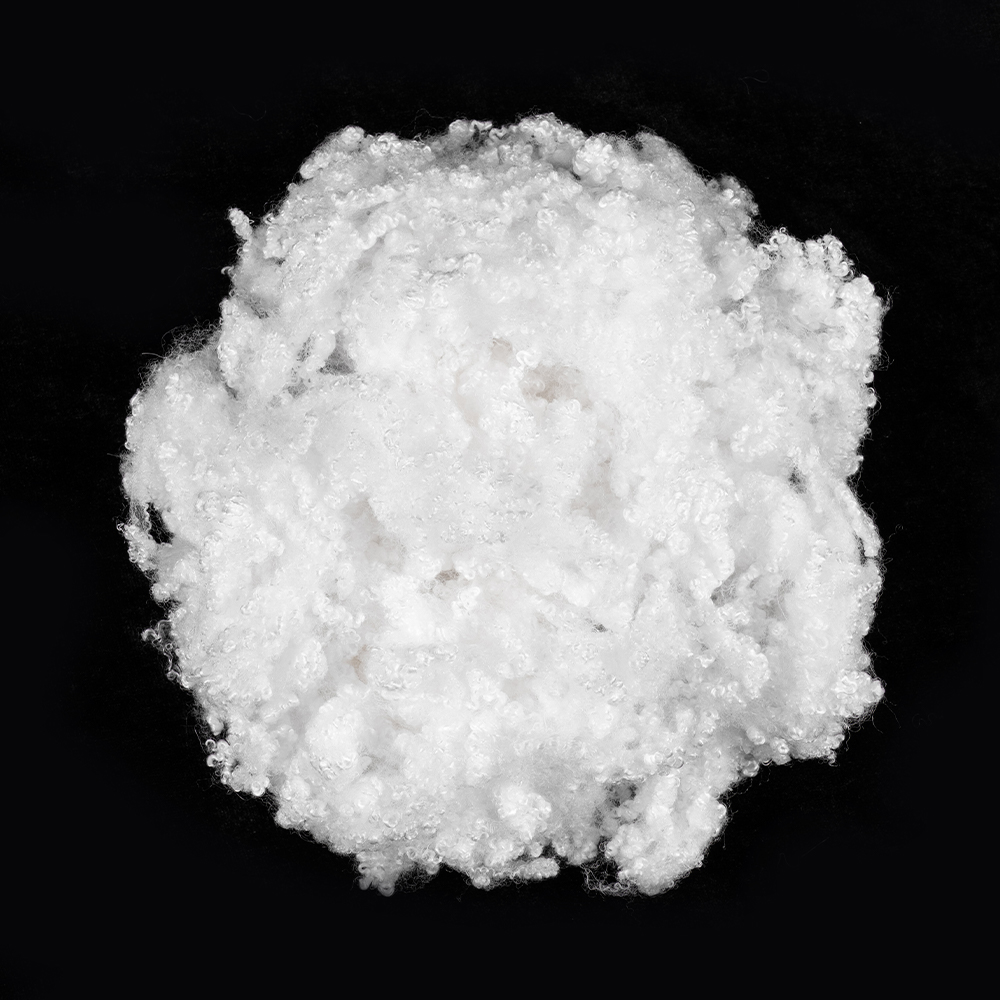
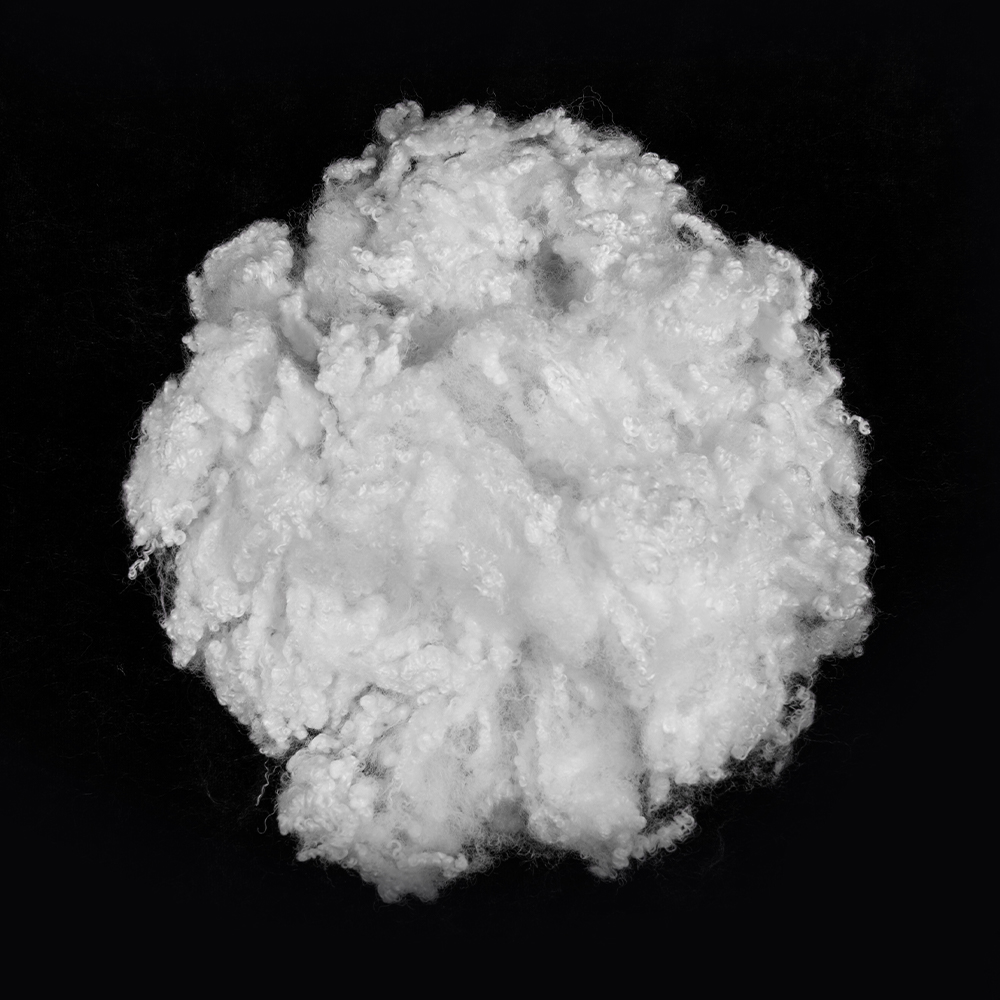
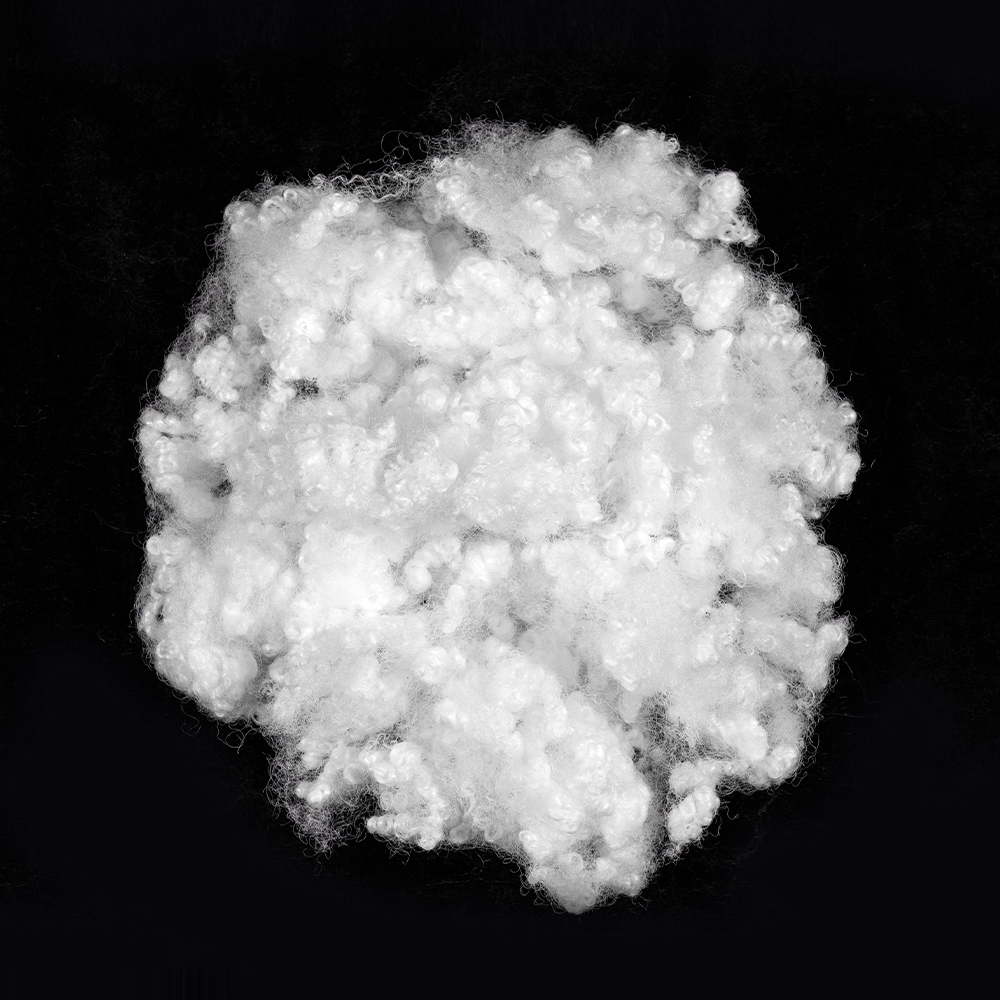
Specification Guide: Choosing 3D, 7D or 15D
Denier controls the fiber diameter, and diameter in turn controls how a batch of HC polyester staple fiber behaves once it is packed. Lower denier means a finer, fluffier fiber; higher denier means a coarser, stiffer fiber with more mechanical strength.
| Specification | Fiber Character | Best Used For |
| 3D x 64MM | Fine denier, highest loft, dense network | Premium quilts, pillow cores, cushions, high-end outdoor garment filling |
| 7D x 64MM | Medium denier, balanced softness and support | Mid-range quilts, sofas, pillow cores, cotton wear, plush toys |
| 15D x 64MM | Coarse denier, high strength, low deformation | Mattresses, sofa frames, automotive seats, sound insulation cotton, sleeping bags, filtration media |
A practical example: quilts filled with 3D x 64MM HC polyester staple fiber commonly reach an internal thermal resistance above 0.85 clo at minus 5 degrees Celsius, which is enough for cold-climate winter bedding. On the industrial side, the 15D specification processed into needle-punched nonwoven filter media can capture more than 99.2 percent of particles above 10 micrometers, making it suitable for baghouse dust collection systems in cement, metallurgy and chemical plants.
Why the Hollow Structure Matters for Warmth
The hollow channel running through each filament is not just a manufacturing detail, it is the main reason this fiber insulates so well. Still air trapped inside the hollow core has a thermal conductivity of only 0.026 W per meter kelvin, far below that of the solid polymer itself. Testing across hollow versus solid fiber batches typically shows a 30 to 40 percent improvement in thermal efficiency for the hollow structure at equal filling weight. Combine that with the helical crimp, which keeps individual filaments from packing flat, and the fiber behaves in a bulk filling much like natural down: light in weight but slow to lose heat.
Where HC Polyester Staple Fiber Is Used
- Home textiles: quilt filling, pillow core filling, cushion and sofa filling where loft and washable durability both matter
- Apparel: autumn and winter jacket padding, high-end outdoor garment insulation, sleeping bag filling
- Furniture and mattresses: upholstery filling that needs to resist compaction under repeated sitting or sleeping loads
- Automotive interiors: seat filling and sound insulation cotton, where 15D fiber reduces noise in the 500Hz to 4000Hz range with a noise reduction coefficient above 0.75
- Toys and nonwoven products: plush toy filling and needle-punched nonwoven fabric for filtration and acoustic panels
Production Scale and Quality Control
Fiber performance is only as consistent as the plant producing it. Ningbo Huaxing Technology Co., Ltd. operates a 185,000 square meter production base with 186,000 square meters of building area, and in 2012 invested more than 300 million RMB to upgrade its lines. The upgrade brought in fully automated spinning and winding equipment from Barmag of Germany, paired with a direct esterification five-reactor polymerization and direct spinning process supplied by the China Textile Industry Design and Research Institute. Annual POY polyester pre-oriented filament capacity now stands at 160,000 tons across nearly 20 conventional and flat yarn specifications.
Quality control runs through three checkpoints: incoming polyester chip screening, online monitoring of melt temperature and spinning speed during production, and batch testing of crimp degree, hollow ratio and breaking strength before the fiber leaves the plant. The company holds 9 independent patents, operates its own engineering technology center, and is recognized as a Ningbo municipal science and technology enterprise, reporting sales above 1 billion RMB in 2014.
Frequently Asked Questions
What is the main difference between HC and HCS polyester staple fiber
HC fiber is finished with a non-silicone oil, giving it stronger fiber-to-fiber cohesion and better shape retention. HCS fiber is finished with silicone oil, giving it a softer, smoother hand feel but a greater tendency for filaments to slide and the filling to shift over time.
Which denier should I choose for a home textile filling project
Choose 3D x 64MM for maximum loft and thermal insulation in premium bedding, 7D x 64MM for a general-purpose balance of softness and support, and 15D x 64MM when the filling needs to resist heavy repeated compression, such as in mattresses or sofas.
Does non-silicone oil fiber feel uncomfortable to the touch
It feels slightly firmer than silicone oil fiber, but the difference is minor once the fiber is enclosed in an outer fabric. The 3D specification in particular keeps a refined texture thanks to its fine denier, and pairing the filling with a high thread count shell further improves surface comfort.
Can HC polyester staple fiber be used outside of textiles
Yes. The 15D specification is widely used in automotive sound insulation cotton, seat padding, and needle-punched nonwoven filter media for industrial dust collection, taking advantage of its high strength and non-silicone surface that avoids contamination from oil migration.
What production capacity supports consistent bulk supply
Ningbo Huaxing Technology Co., Ltd. runs an annual POY pre-oriented filament capacity of 160,000 tons on Barmag-imported German equipment, supported by full-process quality monitoring from raw chip to finished fiber, which allows for consistent large-volume orders.
Ningbo Huaxing Technology Co., Ltd.
-
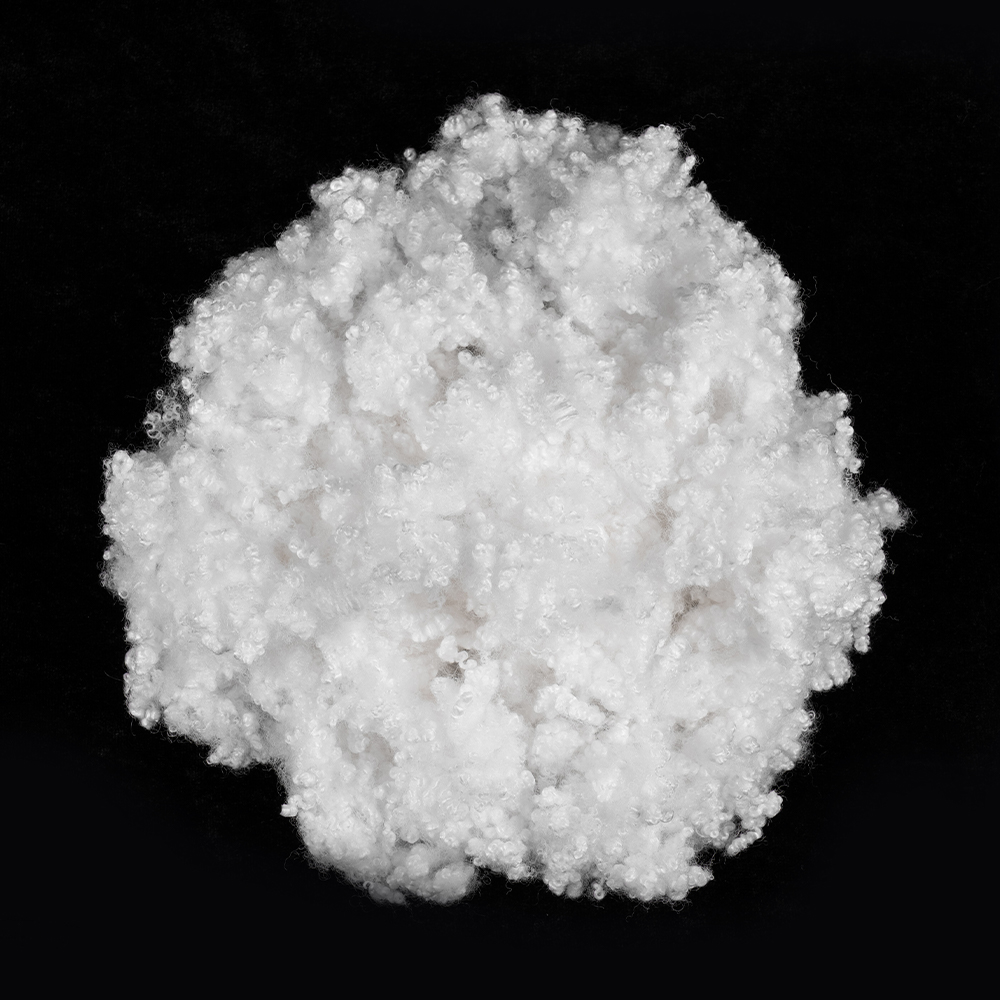
3D HCS Polyester Staple Fiber
-
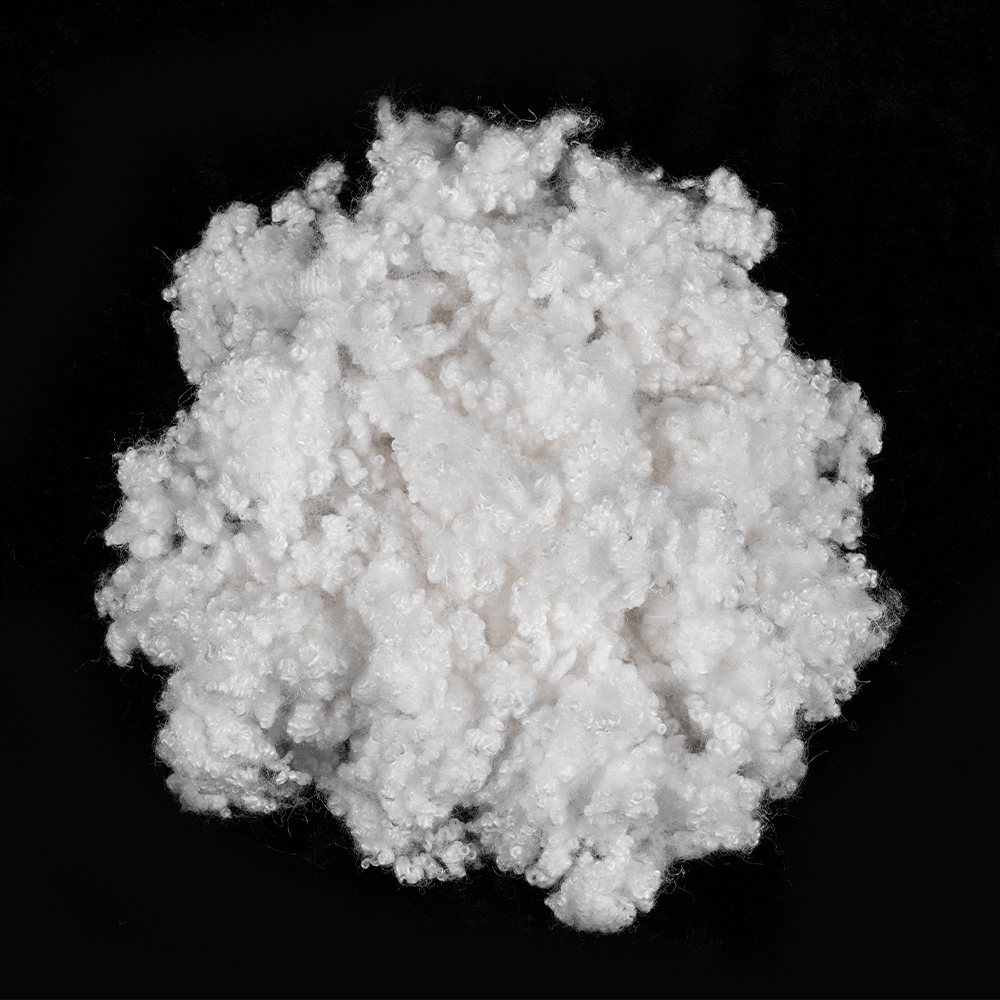
7D HCS Polyester Staple Fiber
-
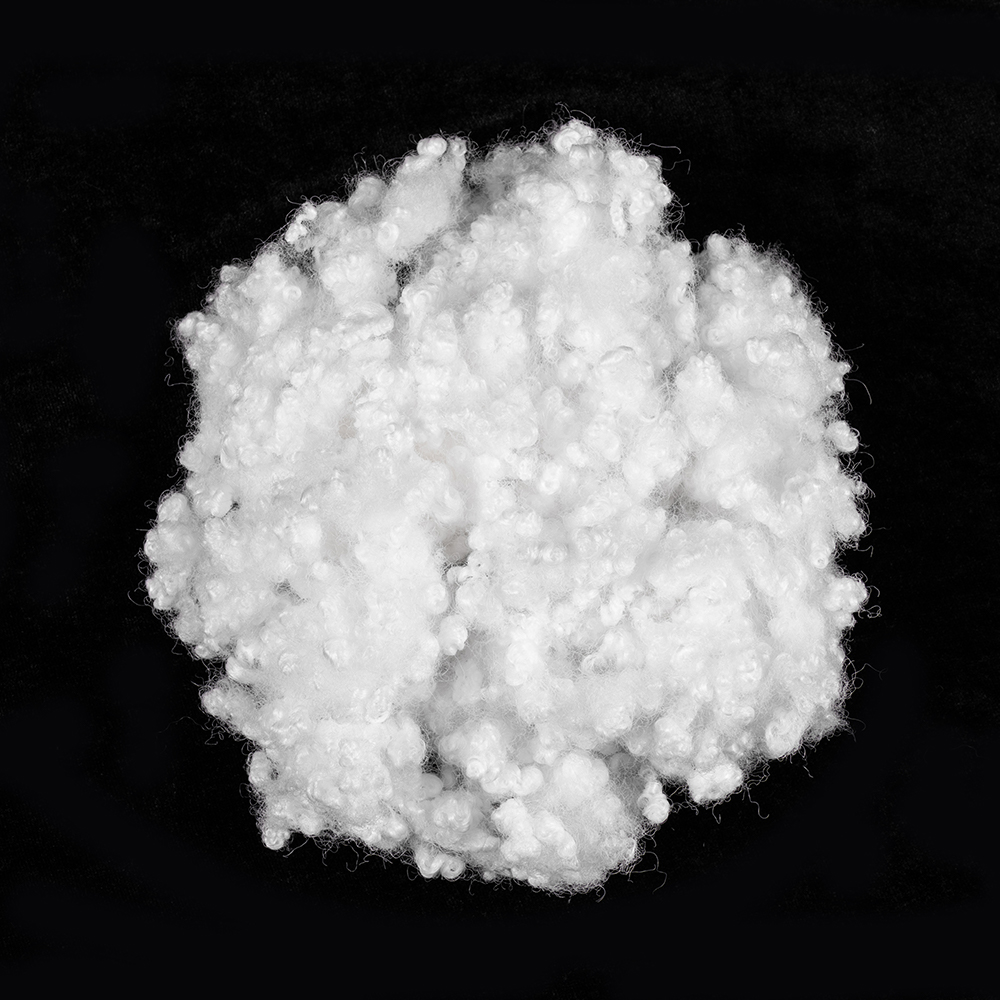
15D HCS Polyester Staple Fiber
-
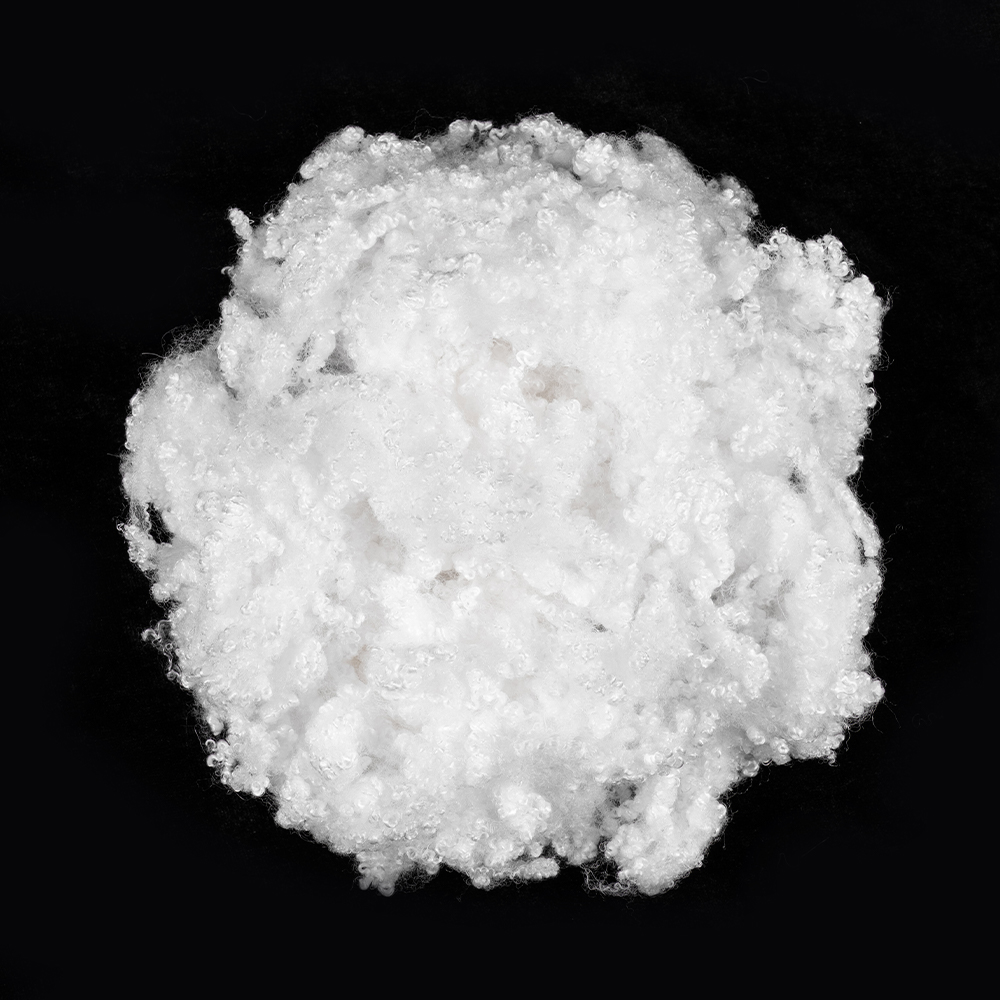
3D*64MM HC Polyester Staple Fiber
-
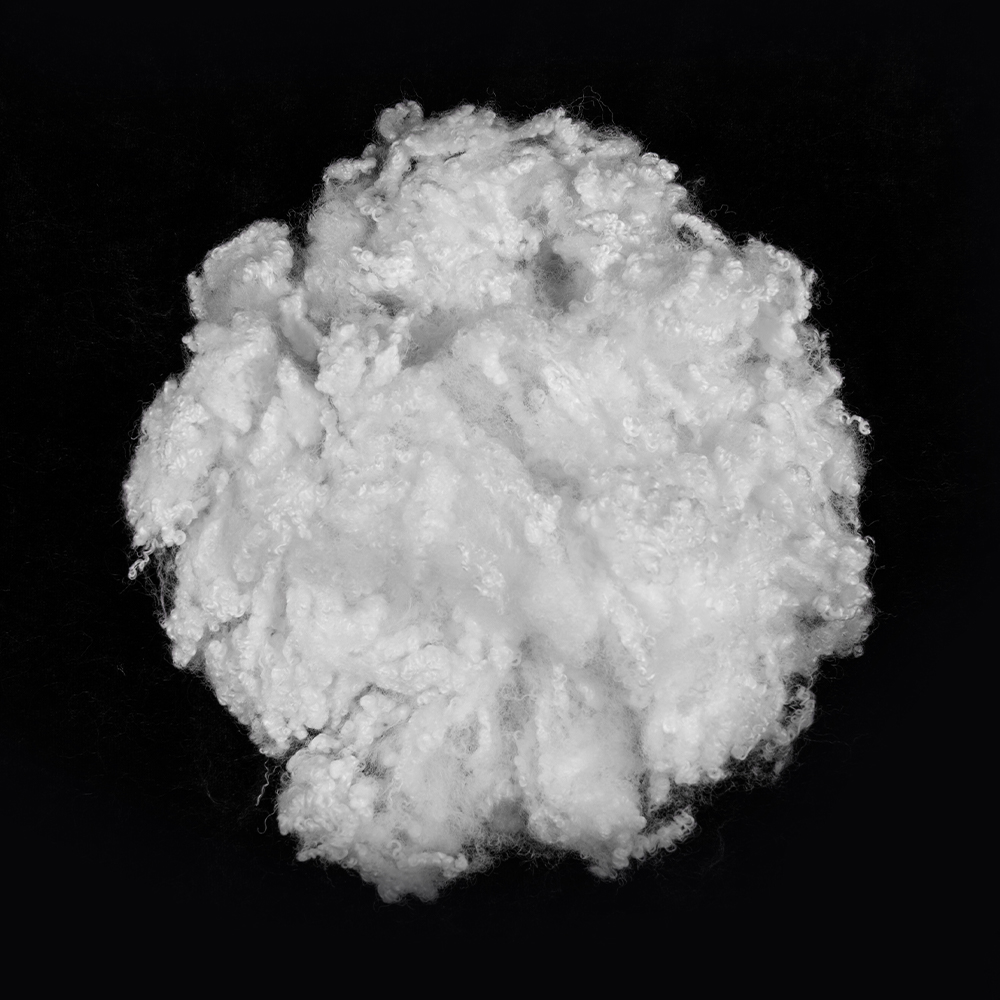
7D*64MM HC Polyester Staple Fiber
-
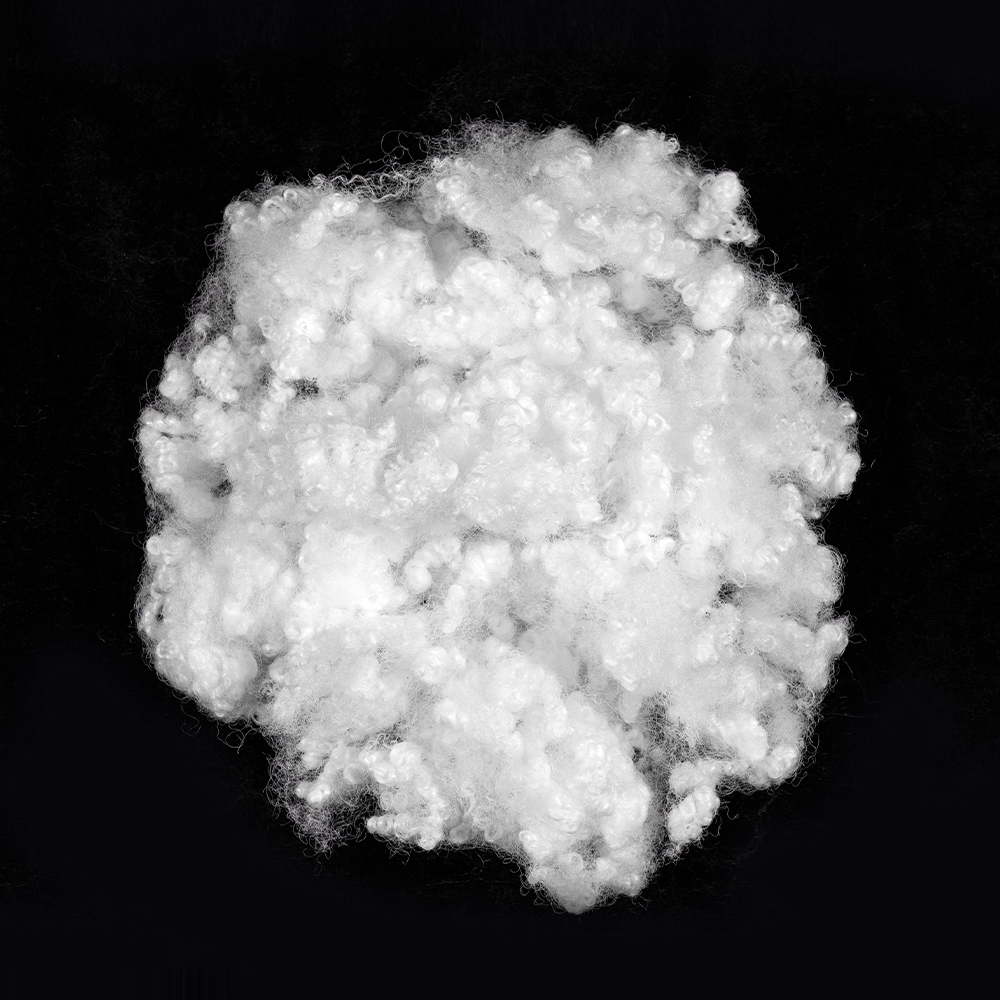
15D*64MM HC Polyester Staple Fiber
-
Quick Links
Home About Us Products FAQ News Contact Us -
Product Links
Polyester Staple Fiber Pre-oriented Yarn/POY Polyester Chip/PET Chip -
About Us
About Us Factory Honor FAQ -
Get In Touch
E-mail:
[email protected]Phone:
+86-130 8198 6637Tel:
+86-0574-63732888Address:
Haidianrong Village, Longshan Town, Cixi City, Ningbo, Zhejiang Province, China.
