-
 Welcome to Huaxing Technology
-
 Email us: [email protected]


 中文简体
中文简体
What is HCS Polyester Staple Fiber?
Content
- 1 Definition and Manufacturing Basis of HCS Polyester Staple Fiber
- 2 Structural Advantages That Define Its Performance
- 3 Common Deniers: 3D, 7D and 15D HCS Polyester Fiber
- 4 Where HCS Polyester Staple Fiber Is Actually Used
- 5 How to Select the Right Grade for a Filling Project
- 6 Frequently Asked Questions
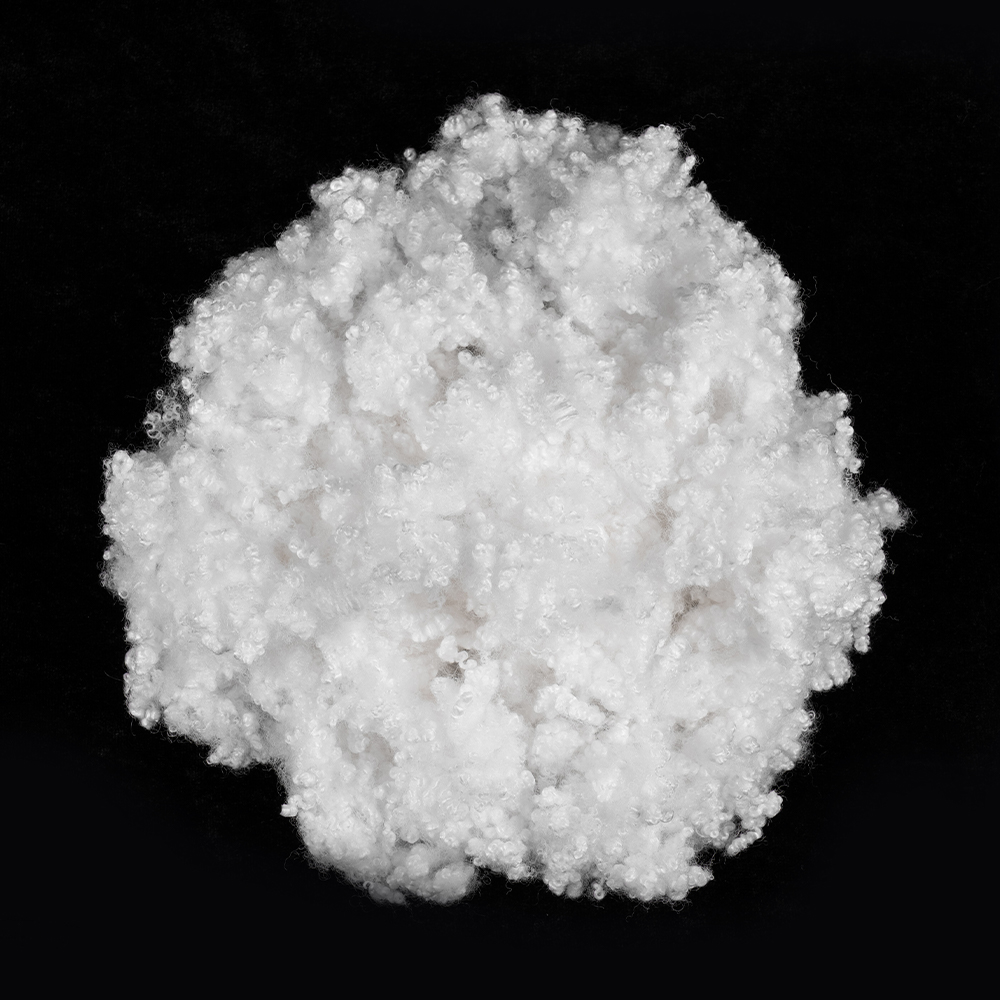
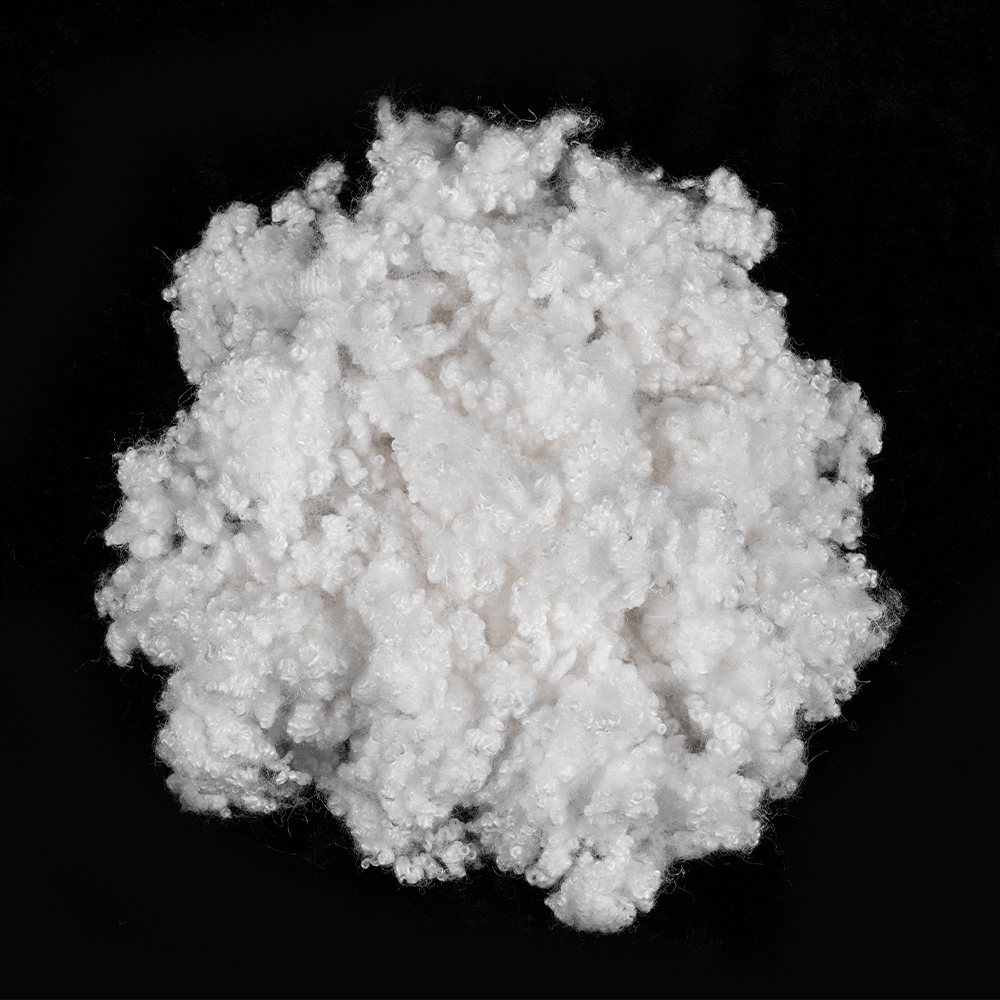
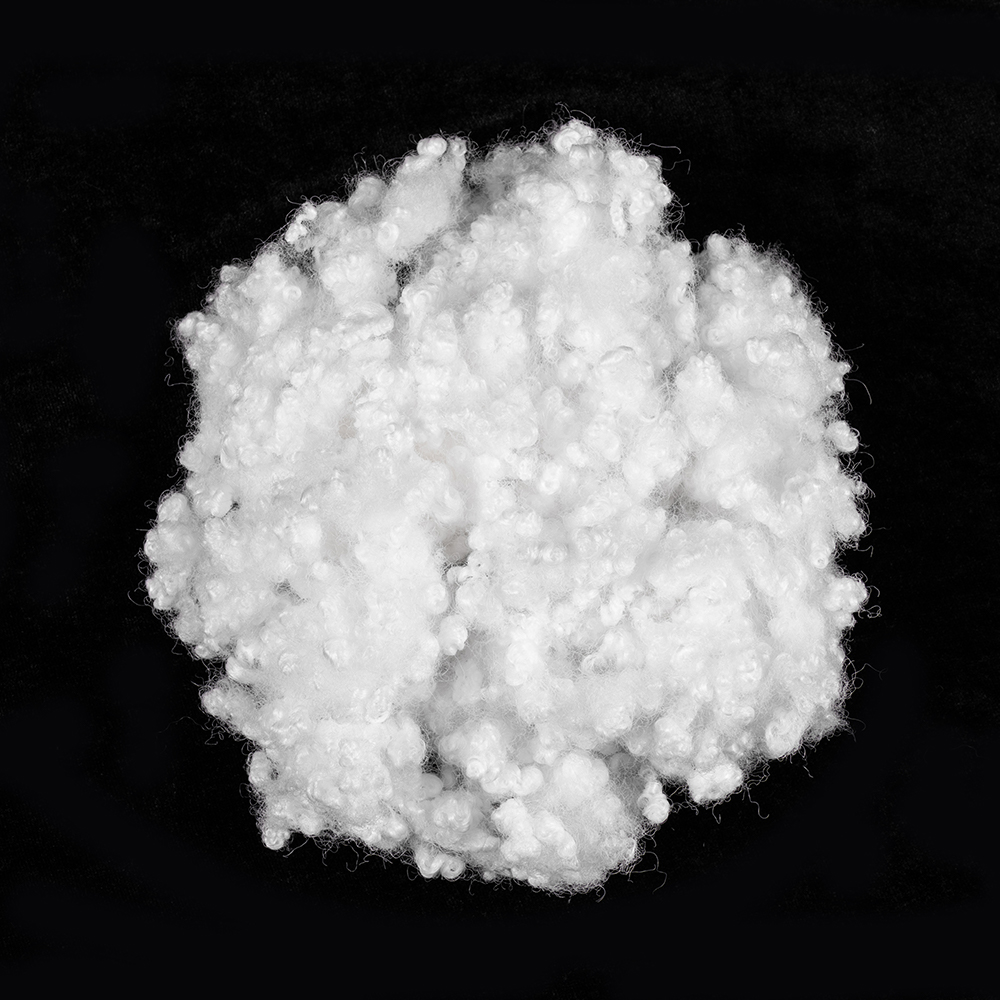
HCS Polyester Staple Fiber is a hollow conjugated polyester staple fiber built with a tube-shaped hollow cross-section and a permanent three-dimensional helical crimp. The abbreviation stands for Hollow Conjugated Silicone-treated fiber, and it is manufactured by melt-spinning polyester chips into filaments that are then crimped, cut, and finished with a silicone oil coating to raise softness and processing smoothness. Because the hollow channel traps still air and the spiral crimp keeps the fiber structure open under pressure, HCS Polyester Staple Fiber behaves like a synthetic substitute for down, delivering high loft, fast compression recovery, and reliable warmth retention in pillows, quilts, sofas, mattresses, automotive interiors, and plush toys.
Definition and Manufacturing Basis of HCS Polyester Staple Fiber
HCS Polyester Staple Fiber belongs to the wider Polyester Staple Fiber family and is produced from Fiber Grade PET Chip through direct spinning, drawing, crimping, and silicone oil treatment. The hollow section running through the fiber core is what separates it from solid polyester staple fiber, and this hollow ratio, together with the helical crimp degree, determines how much air the finished filling can hold. Ningbo Huaxing Technology Co., Ltd. produces HCS Polyester Staple Fiber as part of its Hollow Conjugate Fiber range, alongside Differentiated Polyester Filament and Direct Spinning POY, giving buyers a consistent supply chain from Polyester Chip through to finished staple fiber.
The silicone oil finishing step is a key manufacturing detail. A light, evenly distributed oil layer reduces fiber-to-fiber friction during carding and needle punching, lowers static buildup, and gives the finished filling a smoother, down-like tactile fiber feel. Buyers who need an unfinished option can also request Non-silicone Oil Hollow Conjugated Polyester Staple Fiber for processes where an oil-free surface is preferred.
Structural Advantages That Define Its Performance
The value of HCS Polyester Staple Fiber comes from four measurable structural traits working together. The table below summarizes how each structural feature converts into a usable product benefit.
| Structural Feature | Physical Effect | Benefit in Finished Product |
| Helical three-dimensional crimp | Fibers interlock and push against each other | High loft, fast recovery after compression |
| Hollow cross-section | Traps still air inside the fiber channel | Thermal insulation filling performance close to down |
| Silicone oil surface finish | Lowers friction and static during processing | Soft, smooth, down-like tactile fiber hand feel |
| Hydrophobic polyester base | Resists water absorption | Washable, quick-drying, resistant to clumping |
Because the base polymer is chemically stable, HCS Polyester Staple Fiber is also naturally resistant to insects and mildew, which is one reason it is favored over natural down in pillow core filling and plush toy filling applications where hygiene matters.
Common Deniers: 3D, 7D and 15D HCS Polyester Fiber
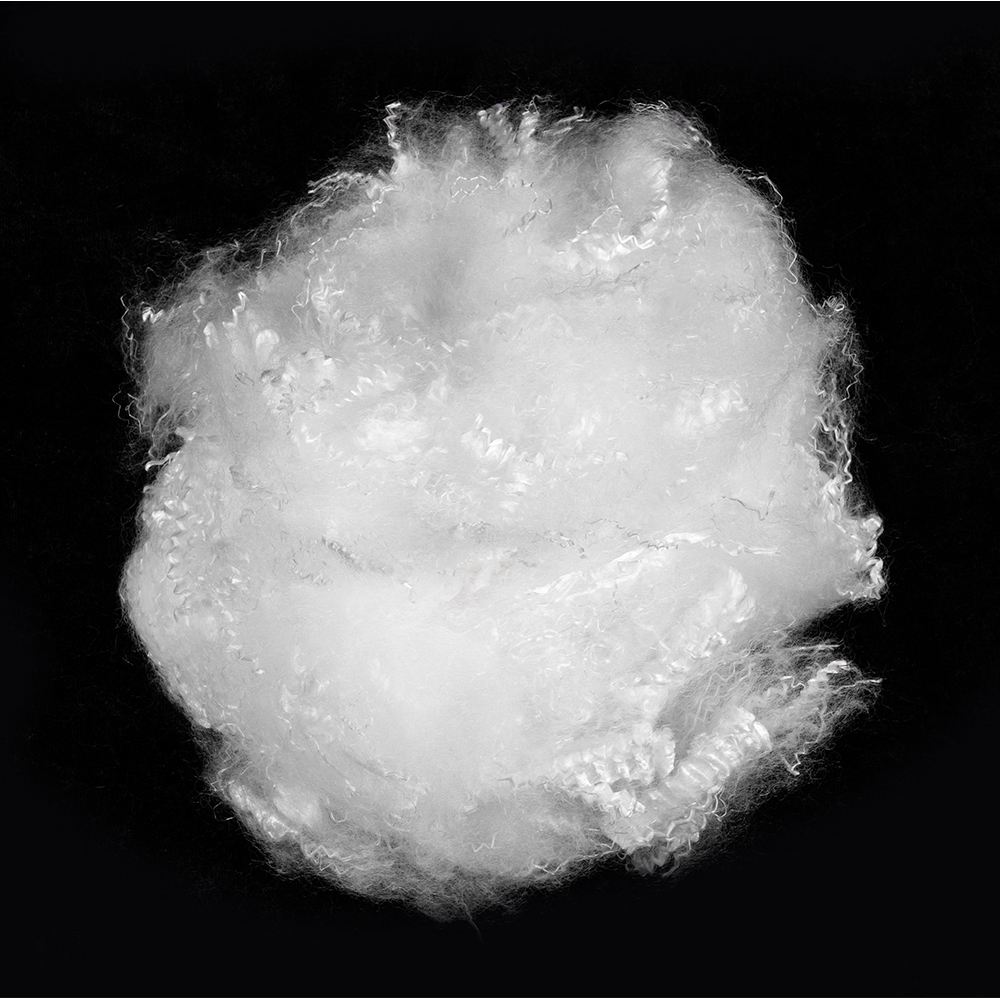
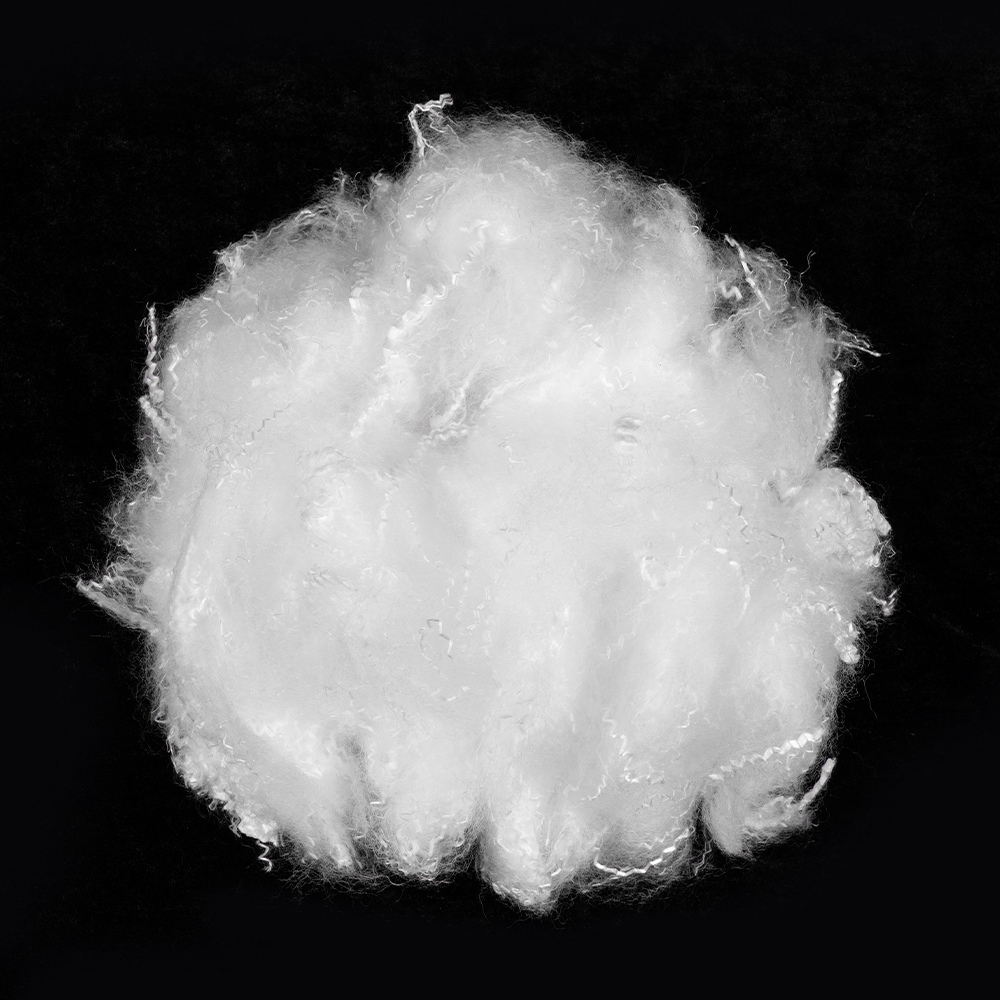
Fiber fineness, measured in denier, is the single largest factor separating one HCS grade from another. A 3D HCS Polyester Fiber is fine and soft, a 7D HCS Polyester Fiber balances softness with strength, and a 15D HCS Polyester Fiber is coarse and support-oriented. Choosing the correct denier is largely a matter of matching softness against load-bearing needs.
| Grade | Feel and Loft | Typical Use |
| 3D*64MM HC Fiber | Fine, very soft, high fluffiness | Premium comforters, pillow core filling, high-end outdoor jackets |
| 7D*64MM HC Fiber | Moderate thickness, balanced strength and softness | Mid-range quilts, sofa and cushion filling, plush toy filling |
| 15D*64MM HC Fiber | Coarse, stiffer, high abrasion resistance | Mattress filling fiber, automotive interior materials, industrial filters |
As a rule of thumb, the lower the denier number, the softer and fluffier the fiber, while higher denier grades trade some softness for durability and support. Many finished products, such as mattresses and sofa cushions, actually blend two deniers together to get both a comfortable surface layer and a supportive core.
HCS and Low Melt Fiber Product Series
Each specification below is manufactured with controlled hollow ratio and crimp degree, giving processors a predictable starting point for pillow, quilt, sofa, mattress, and nonwoven filling projects.
Where HCS Polyester Staple Fiber Is Actually Used
HCS Polyester Staple Fiber sits across several finished-goods categories rather than a single niche. Grouping the applications by industry makes it easier to see how the same fiber family adapts to very different end uses.
- Home textile filling pillow core filling, quilt filling fiber, sofa and cushion filling, blanket and carpet raw materials
- Bedding structure mattress filling fiber, where 15D grades give firmness while 3D or 7D layers add surface comfort
- Outdoor and travel gear sleeping bag insulation and outdoor gear filling, chosen for its lightweight warmth and quick-dry behavior
- Children and lifestyle products plush toy filling, valued for its soft touch and resistance to insects and mildew
- Vehicle manufacturing automotive interior materials such as seat padding, headliners, and sound insulation layers
- Nonwoven and industrial use nonwoven fabric production, filter media, and sound-absorbing panels
How to Select the Right Grade for a Filling Project
Selecting a grade of HCS Polyester Staple Fiber usually comes down to three practical questions: how soft does the surface need to feel, how much long-term compression will the filling face, and does the finished product need to pass washing or safety testing. A pillow that is opened and re-fluffed daily benefits from a fine 3D fiber with maximum loft. A sofa cushion under constant body weight benefits from a coarser 15D fiber, or a blend of 7D and 15D, because the thicker fiber resists flattening. For nonwoven bonding steps rather than pure loft filling, a Low Melt Fiber such as 4D*64HMM or 2D*51MM is added into the blend to create a self-bonding structure without spray adhesives.
Buyers sourcing HCS Polyester Staple Fiber in bulk should also confirm hollow ratio consistency and crimp stability batch to batch, since these two parameters affect finished loft more than raw denier alone. Working with an established China Polyester Fiber Manufacturer that controls the full chain from PET Chip to finished staple fiber reduces the variation that shows up during carding and needle punching.
Frequently Asked Questions
Is HCS Polyester Staple Fiber the same as regular polyester staple fiber
No. Regular polyester staple fiber has a solid cross-section, while HCS Polyester Staple Fiber has a hollow channel running through the core plus a helical crimp and a silicone oil finish. These differences give HCS fiber noticeably higher loft, better warmth retention, and a softer hand feel than solid fiber of the same denier.
Which denier should be used for a pillow versus a sofa cushion
A 3D or 7D grade is generally chosen for pillows because softness and fluffiness matter most there, while a 15D grade or a 7D and 15D blend is more common for sofa cushions and mattresses, since higher denier fiber resists flattening under sustained body weight.
Can HCS Polyester Staple Fiber be machine washed
Yes. The fiber is highly hydrophobic, dries quickly, and its helical crimp structure resists clumping after repeated washing, which is why it is widely used in washable quilts, pillows, and mattress toppers.
What does the silicone oil treatment change about the fiber
Silicone oil treatment coats the fiber surface to reduce friction and static during carding and needle punching, and it also produces a smoother, more down-like tactile fiber feel in the finished filling compared with an untreated fiber surface.
Is this fiber suitable for automotive seat filling
Yes, particularly the coarser 15D grade, which offers high strength, good abrasion resistance, and resistance to deformation under repeated compression, making it suitable for automotive interior materials including seat padding and sound insulation layers.
Ningbo Huaxing Technology Co., Ltd.
-
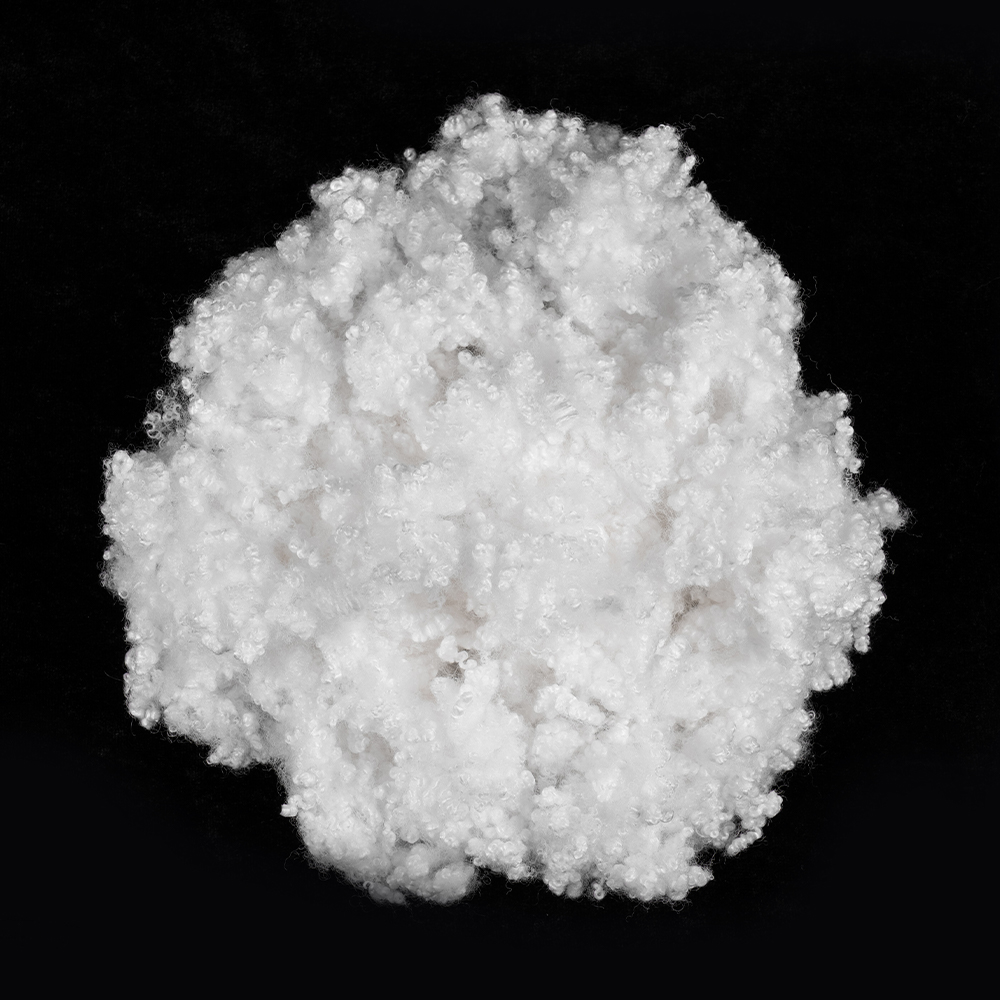
3D HCS Polyester Staple Fiber
-
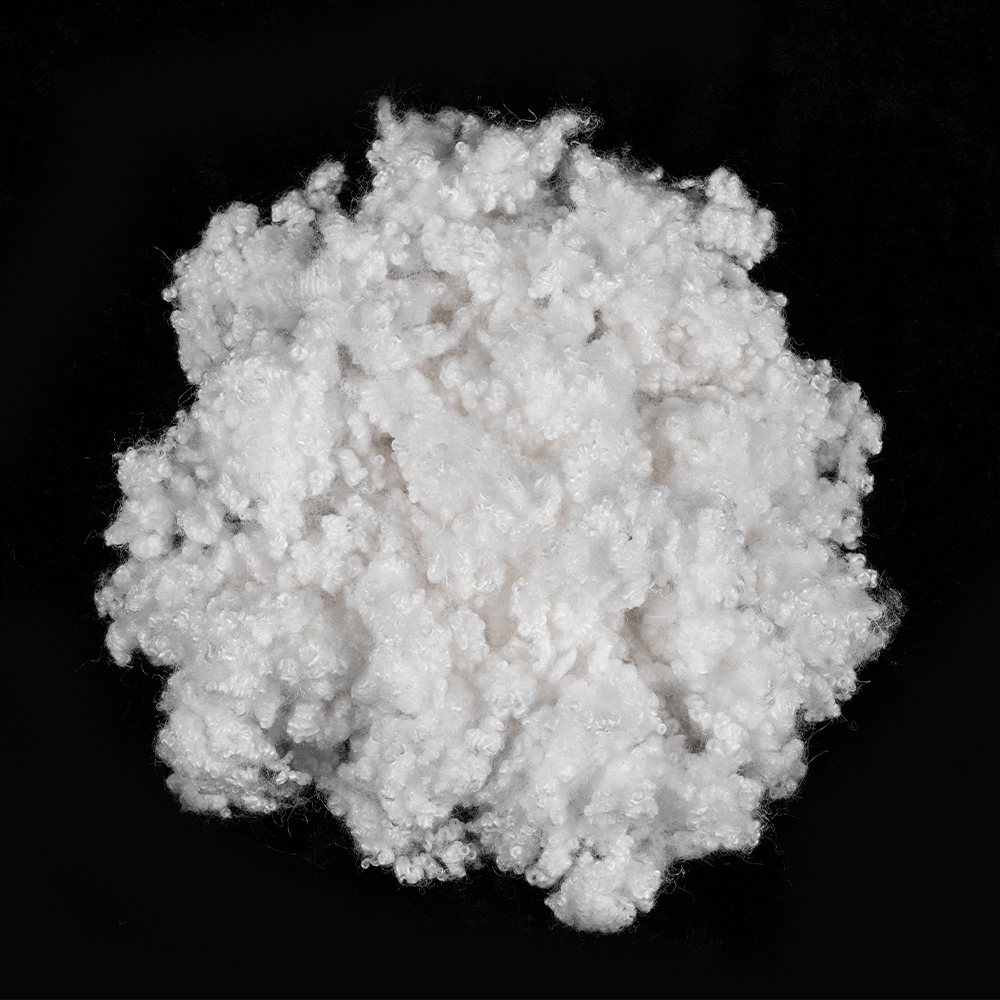
7D HCS Polyester Staple Fiber
-
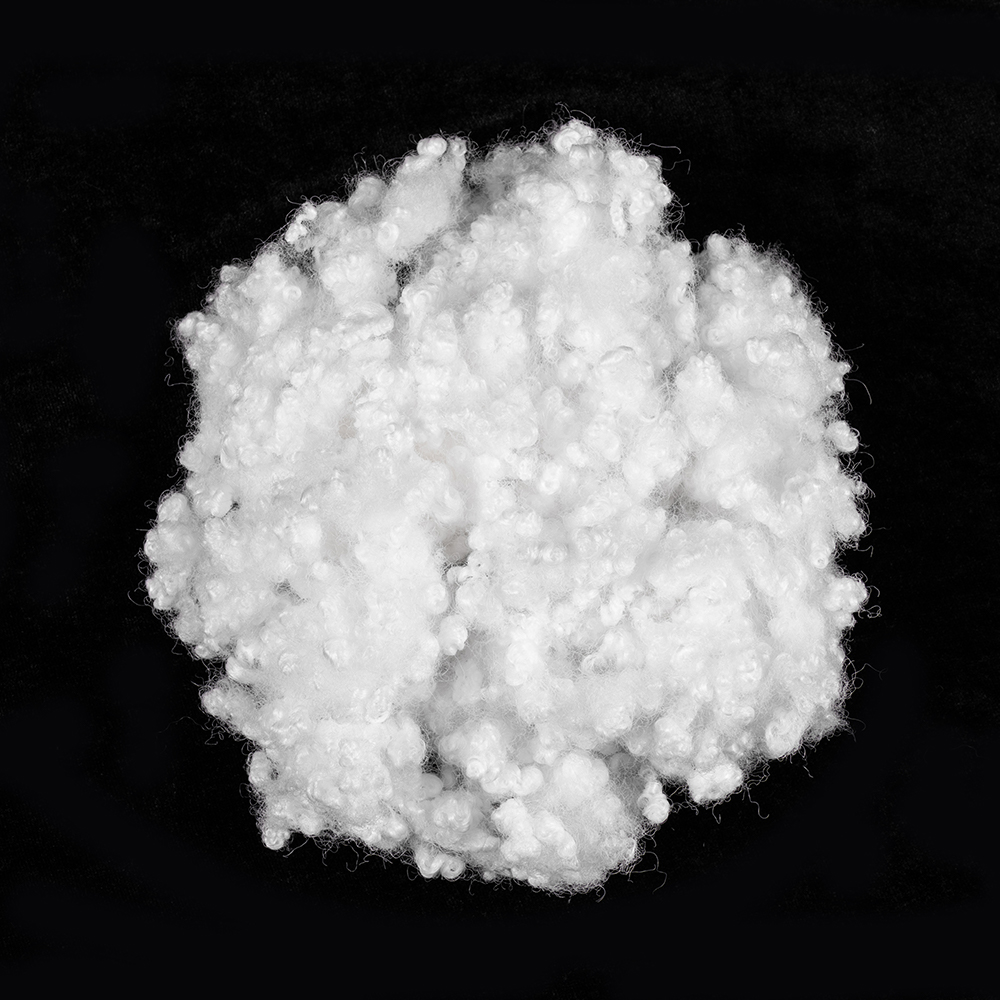
15D HCS Polyester Staple Fiber
-
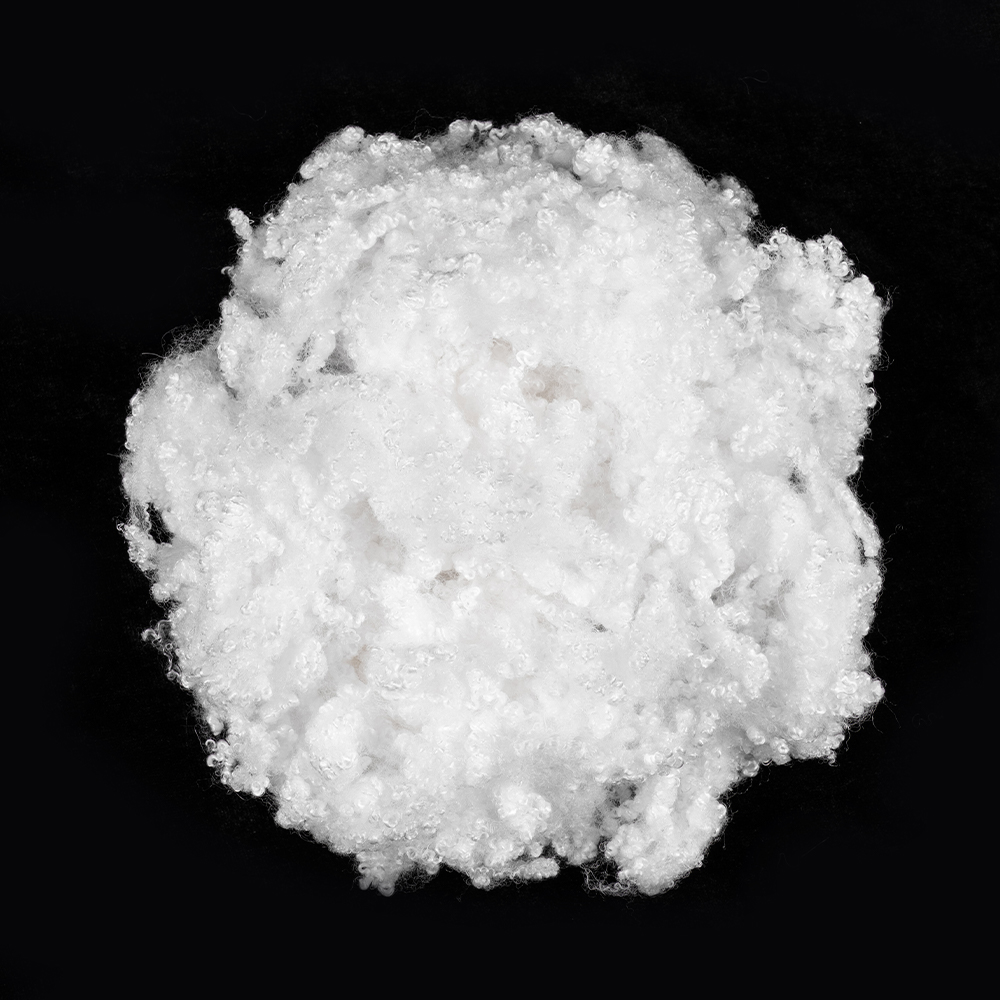
3D*64MM HC Polyester Staple Fiber
-
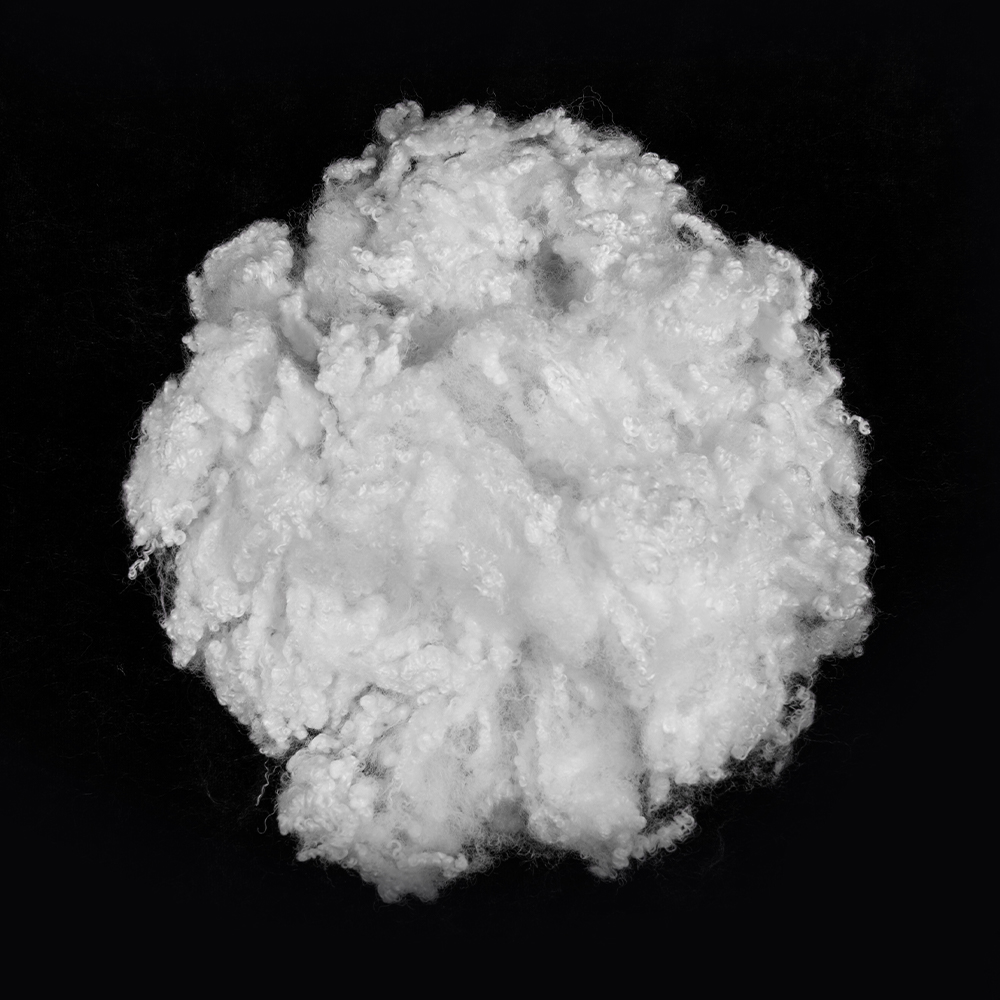
7D*64MM HC Polyester Staple Fiber
-
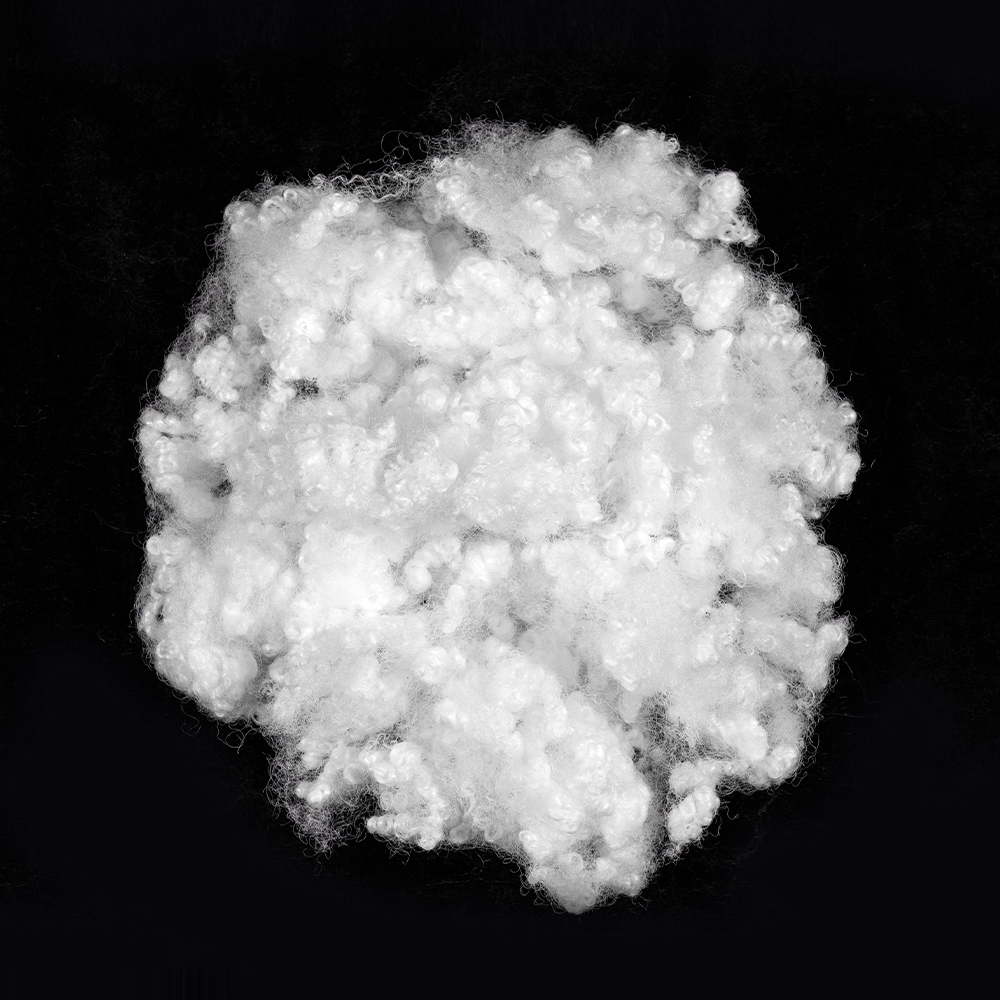
15D*64MM HC Polyester Staple Fiber
-
Quick Links
Home About Us Products FAQ News Contact Us -
Product Links
Polyester Staple Fiber Pre-oriented Yarn/POY Polyester Chip/PET Chip -
About Us
About Us Factory Honor FAQ -
Get In Touch
E-mail:
[email protected]Phone:
+86-130 8198 6637Tel:
+86-0574-63732888Address:
Haidianrong Village, Longshan Town, Cixi City, Ningbo, Zhejiang Province, China.
