-
 Welcome to Huaxing Technology
-
 Email us: [email protected]


 中文简体
中文简体

Quilt Filling Fiber: How to Choose Polyester Fiberfill for Quilts & Comforters
Content
- 1 What Defines Polyester Quilt Filling Fiber
- 2 Four Specifications That Decide Quilt Filling Performance
- 3 Hollow Conjugate Fiber: The Workhorse of Quilt Filling
- 4 Low-Melt Fiber: The Hidden Component of a Stable Batt
- 5 Quilt Filling Fiber Comparison at a Glance
- 6 How to Choose the Right Quilt Filling Fiber
- 7 Frequently Asked Questions
A bedding manufacturer once ordered 15 tons of quilt filling fiber for a new line of washable quilts. The specification called for 7D silicone-treated hollow conjugated polyester fiber, but the shipment arrived with a mix of 3D solid and non-siliconized stock. Within three wash cycles, the quilts lost their loft, the filling shifted into clumps, and the entire production run had to be re-fibered. The rework bill ran roughly twenty times the material cost saved.
That scenario plays out more often than it should, and it underscores an important point: quilt filling fiber is not a commodity when you know what to measure. Denier, cross-section, crimp, finish, and blend ratios all affect how a quilt feels, how it launders, and how long it holds its shape. This guide explains the specifications that actually determine performance, compares the fiber types manufactured by Ningbo Huaxing Technology, and gives sourcing teams a practical framework for matching the fiber to the application.
What Defines Polyester Quilt Filling Fiber
Quilt filling fiber, commonly called polyester fiberfill, is a mass of cut polyester staple fibers arranged into a batt or a loose-fill structure. Unlike cotton batting, which relies on entangled natural fibers, polyester filling uses manufactured filaments engineered for a specific structural performance. Three properties separate good filling fiber from commodity-grade material.
- Denier — fiber thickness expressed as the weight in grams per 9,000 meters. A finer fiber gives a softer handle; a coarser fiber provides more body and loft.
- Cross-section — hollow conjugated fibers have a void running along the fiber axis and combine two polymer components that shrink at different rates. That construction creates a natural helical crimp that works like a microscopic spring.
- Surface finish — a silicone oil coating lowers friction between fibers, which improves resilience and gives the batt a smooth, pleasant hand that survives repeated compression.
These properties translate directly into product performance. A batt made from 15D solid fiber will feel stiff and heavy at the same loft as a 7D hollow conjugated batt at half the weight. A filling that loses 30% of its loft in the first ten washes generates complaints long before the next shipment arrives.
Four Specifications That Decide Quilt Filling Performance
The fiber datasheet contains many numbers, but four have the largest impact on a quilt's end quality.
1. Denier
Three grades cover most quilt and comforter programs:
- 3D — fine, soft, and dense; suited to baby quilts, luxury throws, and lightweight apparel.
- 7D — the conventional choice for mid-weight quilts and comforters; it balances softness and loft.
- 15D — coarse, high-loft fiber for winter quilts, oversized comforters, and decorative pillows.
2. Cut Length
Cut length controls carding behavior and batt stability. Common values are 32 mm, 51 mm, and 64 mm. The 3D, 7D, and 15D hollow conjugate products from Ningbo Huaxing use a 64 mm cut length, which is a practical fit for carding a stable quilt batt. Longer cut lengths interlace better and create a more stable batt; shorter lengths produce a smoother, denser surface.
3. Crimp
Helical crimp created during conjugate spinning is the reason hollow conjugated fiber springs back after compression. If crimp frequency and amplitude are inconsistent, the batt develops soft spots that appear as uneven surfaces after quilting.
4. Siliconization Level
Silicone finish is expressed as a percentage of fiber weight, typically 1.5% to 4%. Higher add-ons improve softness and resilience but increase cost. Non-siliconized fiber is acceptable only for a flat, compact batt where bulk is not the objective.
Typical recovery after repeated compression, based on industry-grade samples.
Hollow Conjugate Fiber: The Workhorse of Quilt Filling
Hollow conjugated polyester fiber is the dominant filling material in quilted goods, and for good reason. The side-by-side bi-component structure creates a natural spiral crimp, while the hollow core keeps weight low and thermal insulation high. Together, those traits deliver the lightweight but lofty feel that consumers expect from a modern quilt.
Ningbo Huaxing Technology produces hollow conjugated staple fiber in 3D, 7D, and 15D versions, each available with or without silicone treatment. The 7D silicone-treated grade is the starting point for most programs: a 200 g/m² batt made from 7D HCS recovers its shape after warehouse compression and holds up through repeated laundering when the finish is properly applied.
The silicone finish deserves special attention. During washing, untreated polyester fibers tangle and compact into hard clumps. With a quality silicone coating, individual fibers slide past one another instead of knotting together, which preserves the batt's airy structure. That is why most machine-washable bedding programs specify silicone-treated HCS.
For a deeper look at the material selection process, read more about how to choose hollow conjugate fiber filling materials.
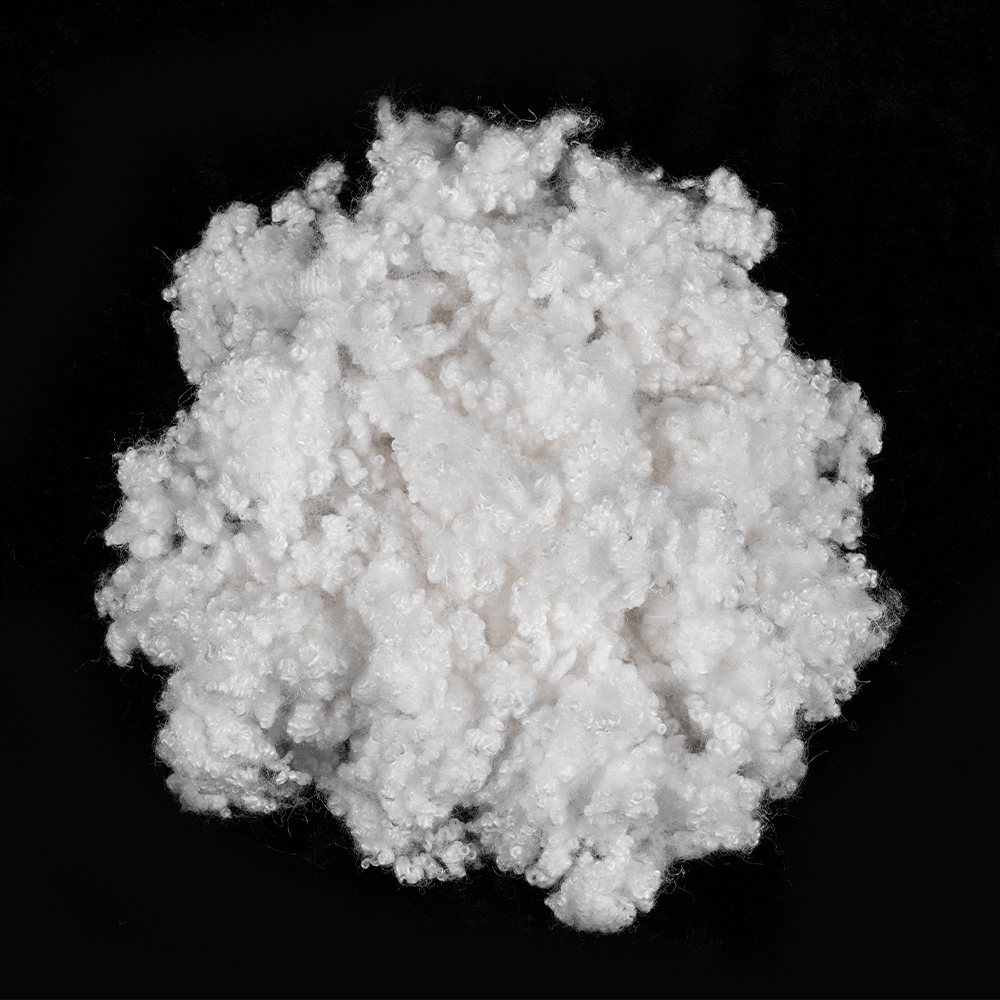 7D HCS Polyester Staple Fiber for General Filling ApplicationsThis medium-thickness fiber offers improved strength and durability while keeping softness and loft, making it a balanced choice for quilts, pillows, sofas, plush toys, and everyday apparel.View Product →
Low-Melt Fiber: The Hidden Component of a Stable Batt
If the filling has to stay in place through washing and rough use, low-melt polyester fiber is the missing ingredient. Low-melt fiber is a bi-component fiber whose sheath melts at a lower temperature than its core. When the batt passes through a thermal bonding oven, the softened sheath fuses the fibers at their crossing points, producing a self-supporting three-dimensional network.
The 4D/51mm low-melt fiber from Ningbo Huaxing is the specification most commonly blended into quilt batt production. A typical recipe is 10 to 20% low-melt fiber blended with hollow conjugate fiber, carded, cross-lapped, and heat-set. The bonded batt resists shifting, prevents fibers from migrating to the fabric surface, and keeps its loft far longer than an unbonded batt.
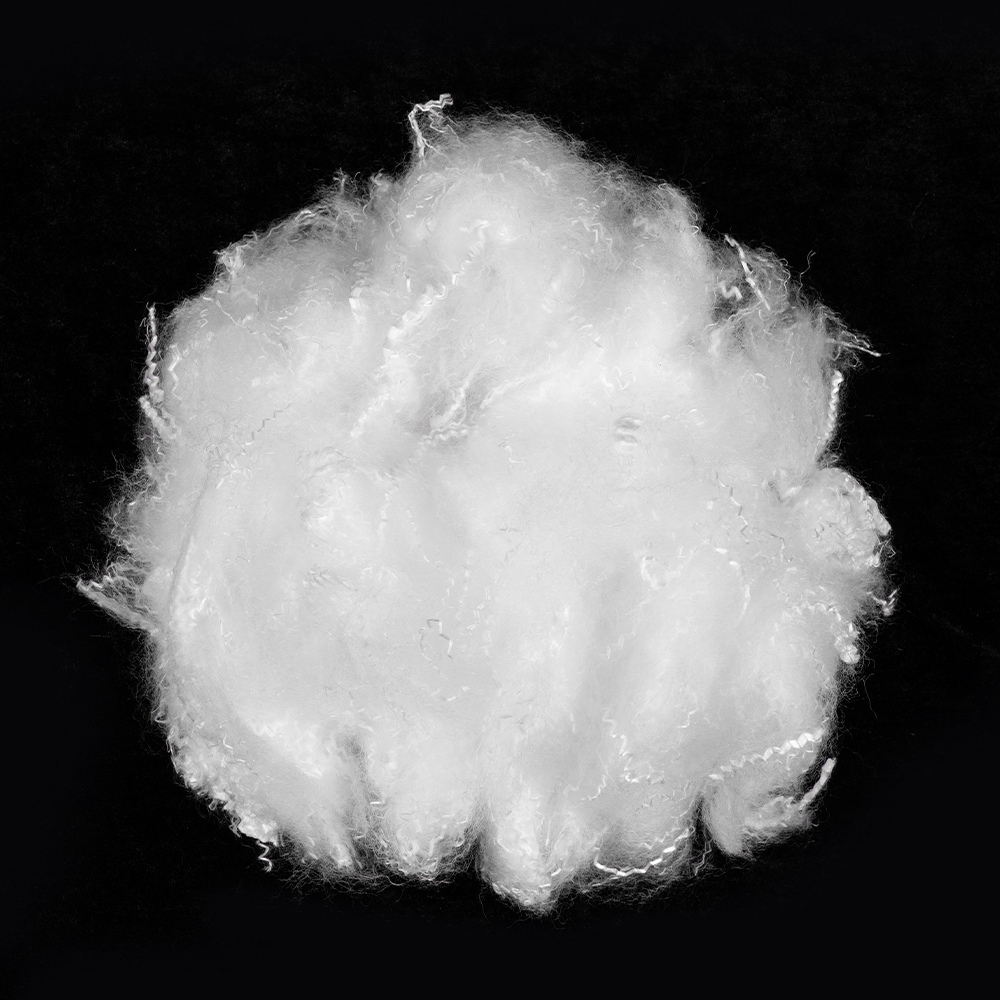 4D H Polyester Staple Fiber with Enhanced Thermal BondingOptimized for thermal bonding, this 4D fiber provides strong cohesion and structural stability without adhesives, ideal for high-strength nonwovens, sofa and mattress support layers, and durable automotive interiors.View Product →
Quilt Filling Fiber Comparison at a Glance
The table below summarizes how the main filling fiber categories compare for quilt and bedding production.
| Metric | Solid PSF 1.2-3D | Hollow HCS 3-7D | Hollow HCS + Silicone | Low-Melt / Bonded Batt |
|---|---|---|---|---|
| Compression recovery | ~55-60% | ~75-80% | ~80-85% | ~75-80% |
| Handle | Firm | Soft | Smooth, silky | Smooth |
| Wash durability | Moderate | Good | Excellent | Excellent |
| Typical batt weight | 300-400 g/m² | 150-250 g/m² | 150-250 g/m² | 180-300 g/m² |
| Best use | Economy fills | Quilts, throws | Premium washable quilts | Bonded anti-shift batts |
How to Choose the Right Quilt Filling Fiber
Start with the product's wash label, target weight, and hand-feel requirements, then work backwards to the fiber specification. Polyester fiberfill ends up in several bedding categories, and knowing where the material goes explains why 7D and 15D dominate the market.
- Comforters & duvets 40%
- Quilts & throws 35%
- Pillows & cushions 15%
- Other bedding 10%
- Confirm wash exposure. If the quilt is labeled machine-washable, specify silicone-treated 7D HCS blended with 10 to 15% low-melt fiber. Any shortcut here will come back as returns.
- Select denier by hand feel. For a soft, draping quilt, 3D HCS gives a fine hand and low profile. For a thick, cloud-like winter quilt, 15D HCS with silicone is the correct grade.
- Request physical samples. Never place a large order on the datasheet alone. Ask for a 20 x 20 cm sample batt and run at least five wash cycles before approving.
- Check crimp consistency across batches. The hollow conjugated fibers in a single batt must share the same crimp characteristics, or you will see shading on the quilted surface.
For heavyweight winter quilts and plush decorative pillows where maximum loft per gram is required, the 15D HCS grade is the most effective option.
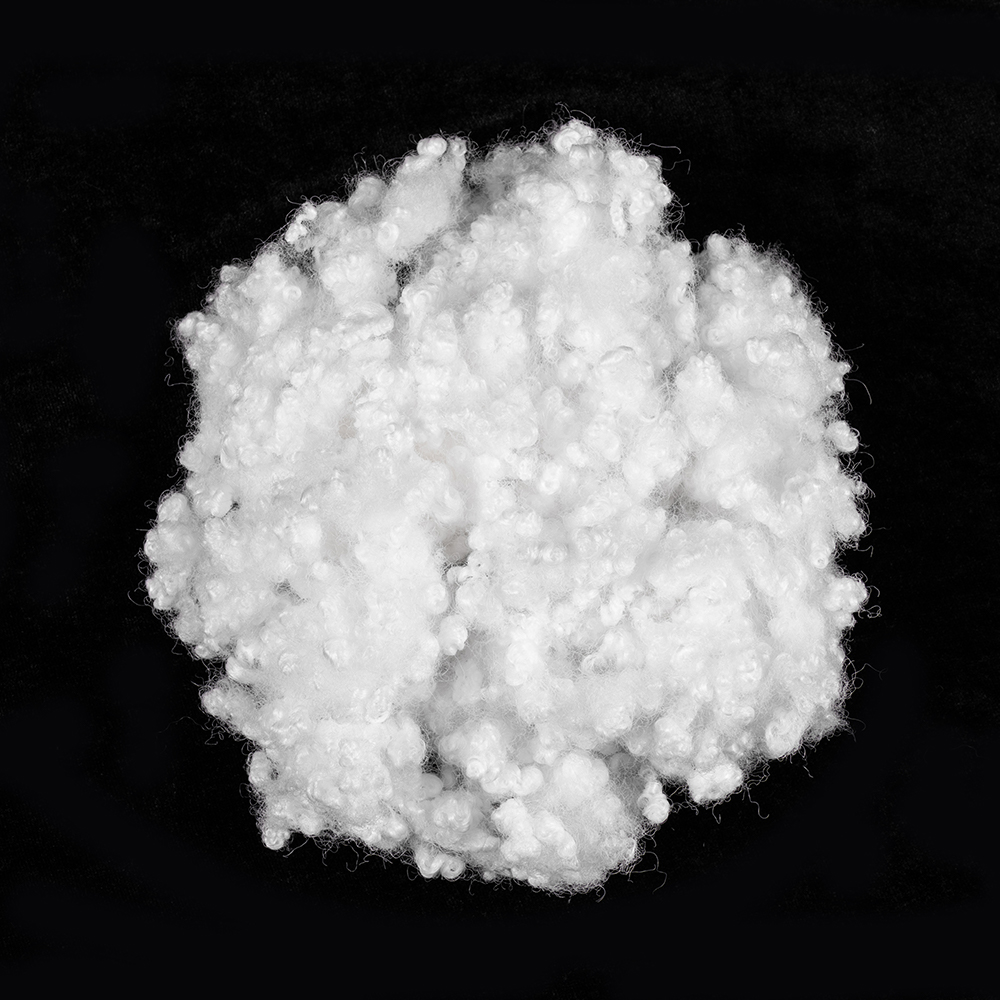 15D HCS Polyester Staple Fiber for High Support and DurabilityWith a larger fiber diameter, this grade delivers superior strength and abrasion resistance, suited for mattresses, seating, automotive insulation, outdoor gear, and industrial filtration where support matters more than softness.View Product →
Frequently Asked Questions
How does quilt filling fiber differ from cotton batting?
Polyester fiberfill is manufactured, which allows consistent bulk, uniform resilience, and predictable loft retention across the entire batt. Cotton batting is natural and breathable and gives a distinctive crinkled look after washing, but its loft and resilience depend on crop quality and ginning variables. Quilt filling fiber is the preferred choice for washable products, large-batch manufacturing, and applications that require uniform loft.
How much low-melt fiber should be in a quilt batt?
For machine-washable quilt programs, 10 to 20% by weight is the practical range. Below 10%, the batt may still shift after several washes; above 20%, the batt becomes stiff and loses thermal insulation.
Is non-siliconized filling fiber ever the right choice?
Yes. Non-siliconized fiber compacts more easily, which makes it suitable for flat quilted mattress pads and certain upholstered products. For quilts and comforters with high loft requirements, silicone-treated fiber is almost always worth the premium.
Why are 7D and 15D the most common fiber grades?
7D is fine enough to feel soft in a mid-weight quilt yet thick enough to carry loft without excessive fiber weight. 15D is used in heavyweight constructions where a thick, durable batt is necessary. The 3D grade remains the choice for fine, tightly quilted products that require a smooth outer surface.
If a specification point is still unclear after reviewing these answers, our FAQ page covers additional polyester fiber questions, or you can reach out to the technical team directly.
Quilt filling fiber is an engineering material, and the specification you approve today determines the quality of the quilts you ship months from now. By understanding denier, hollow conjugated cross-section, silicone finish, and low-melt bonding, sourcing teams can translate market expectations into a measurable fiber specification. The product range at Ningbo Huaxing Technology covers every common grade — 3D, 7D, and 15D hollow conjugate fiber, low-melt binder fiber, and micro denier fiber for fine filling applications. Check the samples, verify the crimp, and run the wash test before you commit. The fiber that looks identical in the bag behaves differently in the batt.
Ningbo Huaxing Technology Co., Ltd.
-
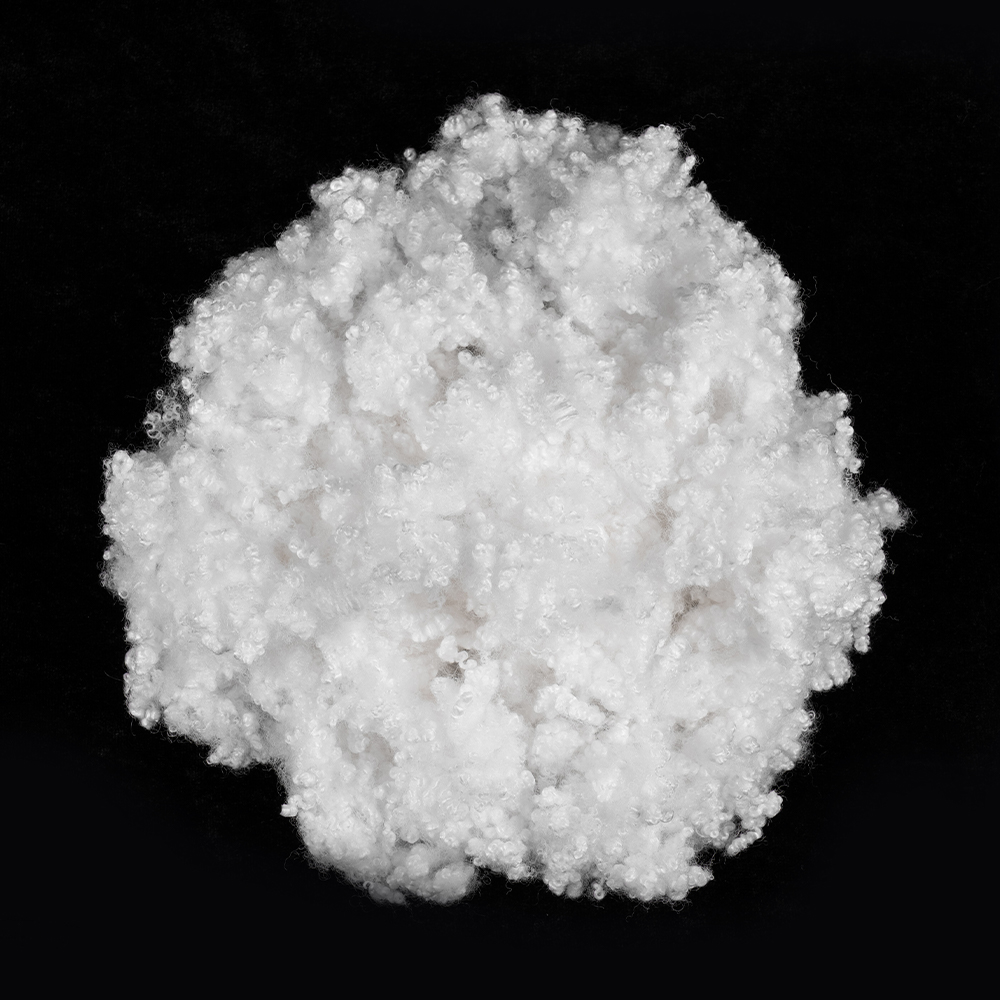
3D HCS Polyester Staple Fiber
-
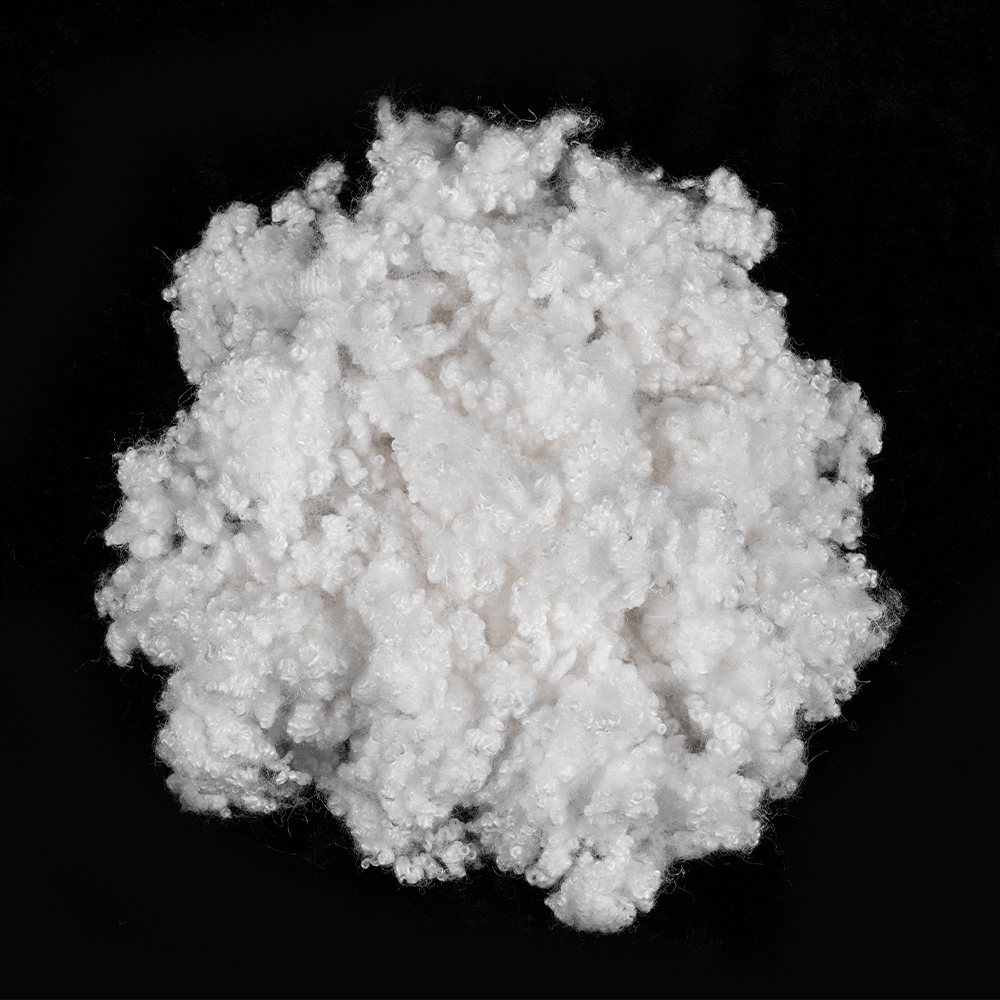
7D HCS Polyester Staple Fiber
-
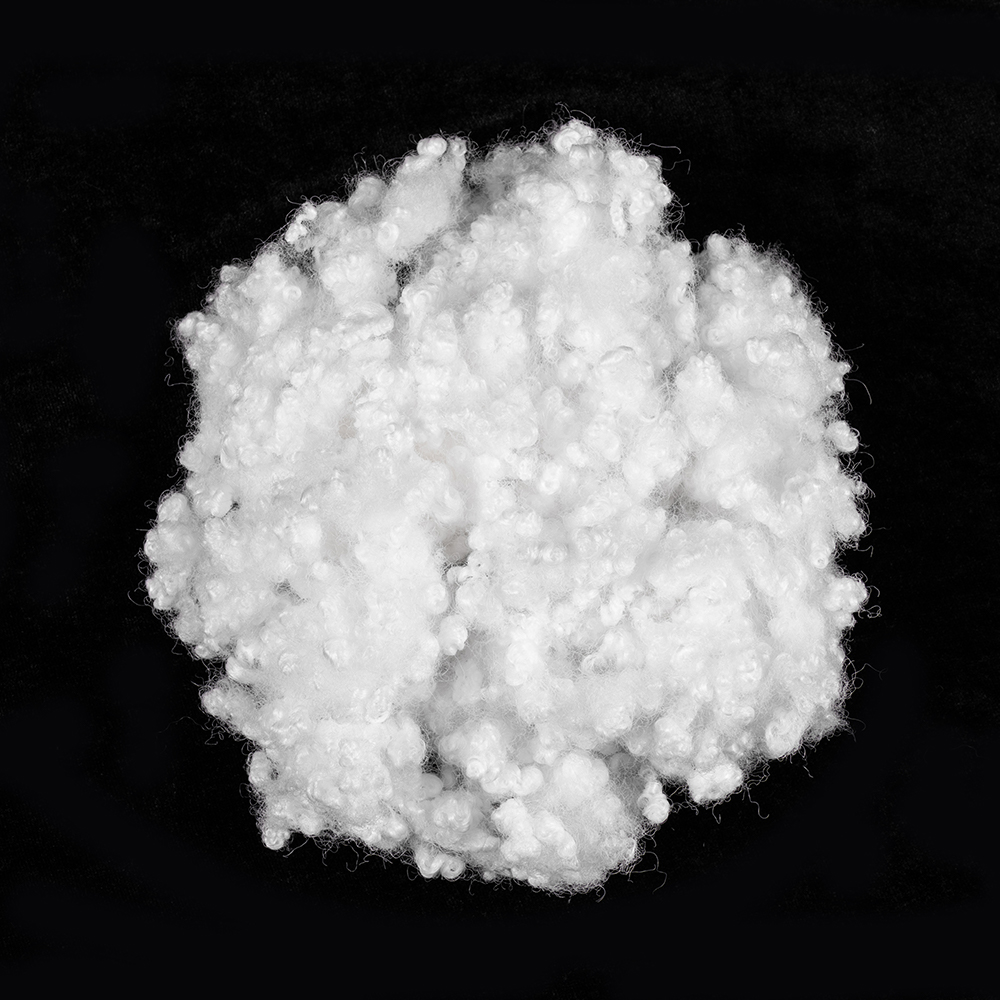
15D HCS Polyester Staple Fiber
-
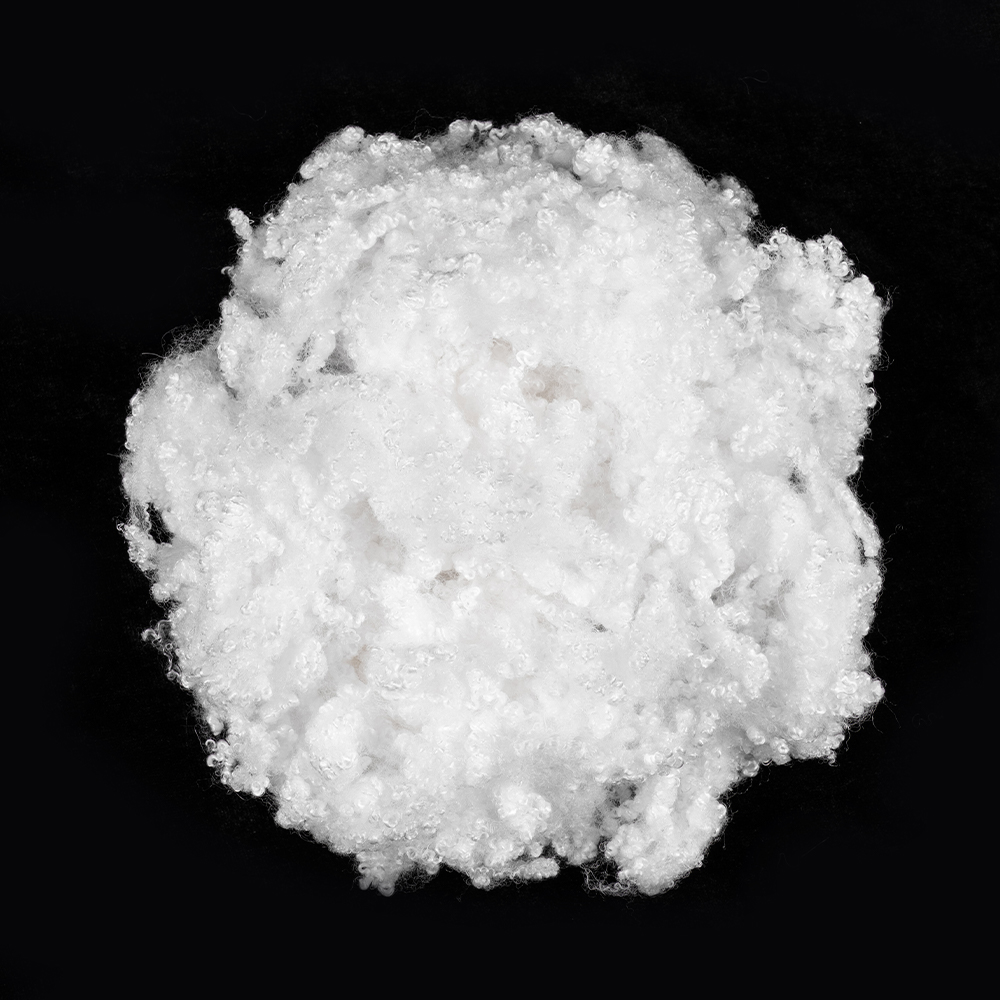
3D*64MM HC Polyester Staple Fiber
-
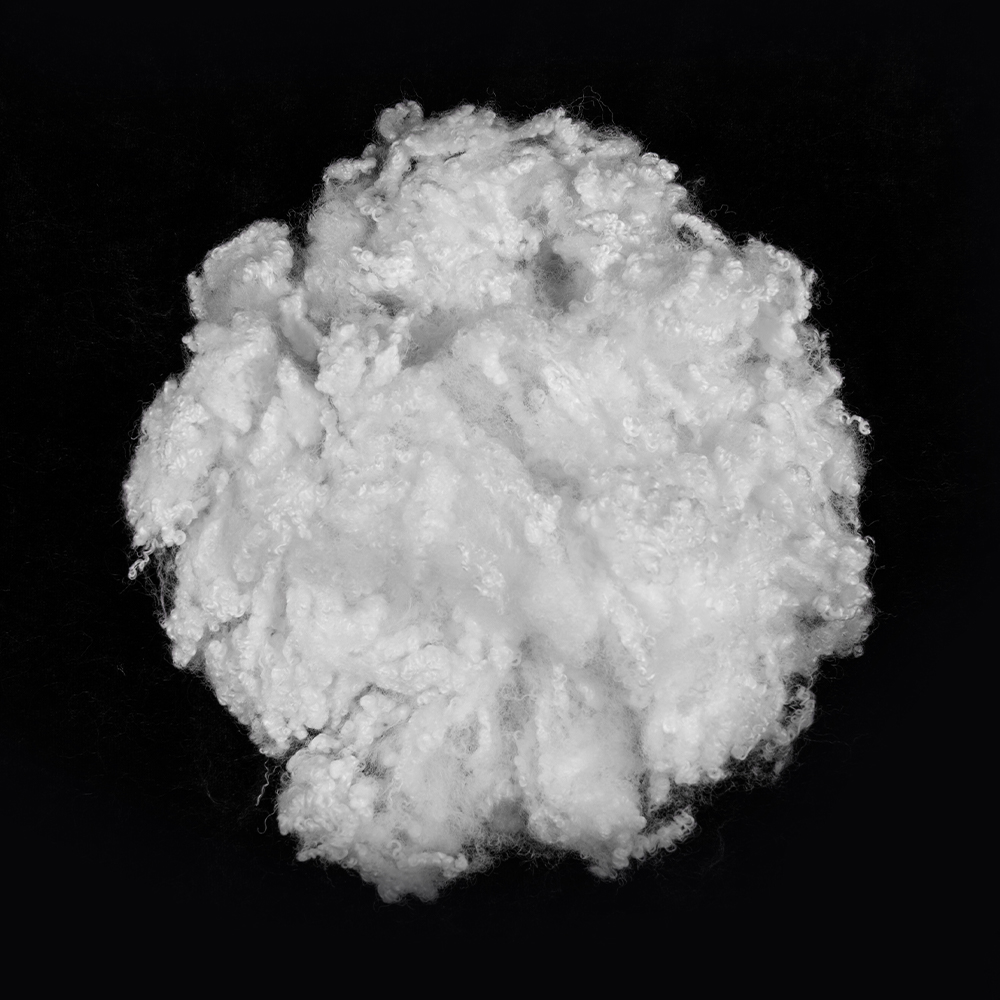
7D*64MM HC Polyester Staple Fiber
-
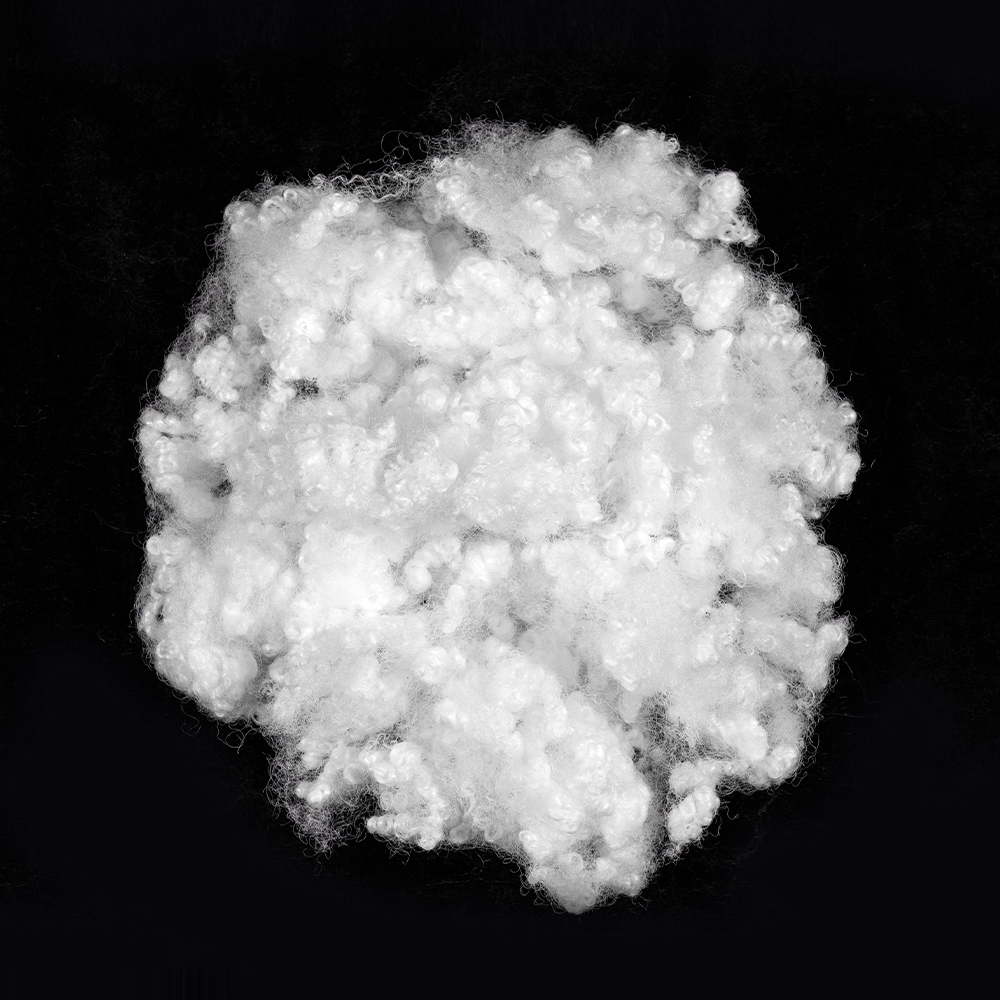
15D*64MM HC Polyester Staple Fiber
-
Quick Links
Home About Us Products FAQ News Contact Us -
Product Links
Polyester Staple Fiber Pre-oriented Yarn/POY Polyester Chip/PET Chip -
About Us
About Us Factory Honor FAQ -
Get In Touch
E-mail:
[email protected]Phone:
+86-130 8198 6637Tel:
+86-0574-63732888Address:
Haidianrong Village, Longshan Town, Cixi City, Ningbo, Zhejiang Province, China.
