-
 Welcome to Huaxing Technology
-
 Email us: [email protected]


 中文简体
中文简体

Pillow Core Filling: How Polyester Hollow Conjugate Fiber Improves Comfort
Content
- 1 What a Pillow Core Filling Must Deliver
- 2 Polyester Filling: The Practical Down Alternative
- 3 Hollow Conjugate Fiber: Silicone Oil and Non-Silicone Variants
- 4 How Low-Melt Fiber and Micro Fiber Help in Pillow Production
- 5 Choosing the Right Pillow Core Filling
- 6 What Buyers Value in a Pillow Core Filling
- 7 FAQ About Pillow Core Filling
The pillow you sleep on is only as good as its core filling. If you have ever woken up with a flat pillow that offers no neck support, or found clumps of synthetic fiber after a few months, you have already experienced the difference that filling quality makes. For manufacturers and procurement teams, the choice comes down to a handful of practical factors: cost, durability, washability, and how the filling behaves inside a fully sewn pillow.
What a Pillow Core Filling Must Deliver
A good core filling should hold its shape, resume its loft after compression, and allow air to pass through so the pillow stays cool. It also needs to be free of allergens, resistant to dust mites, and easy to clean in a production environment. For commercial buyers, consistency of fiber length, denier, and finish are just as important as the feel of the finished pillow.
Three measurements are often used to assess a filling fiber:
- Denier: the thickness of the individual fiber. Lower denier creates a softer, fluffier feel; higher denier provides more support.
- Hollow cross-section: an open center in the fiber reduces weight while increasing loft and insulation.
- Surface treatment: silicone oil or non-silicone finishes affect hand feel, crimp, and how easily the fiber processes in carding and filling machinery.
Polyester Filling: The Practical Down Alternative
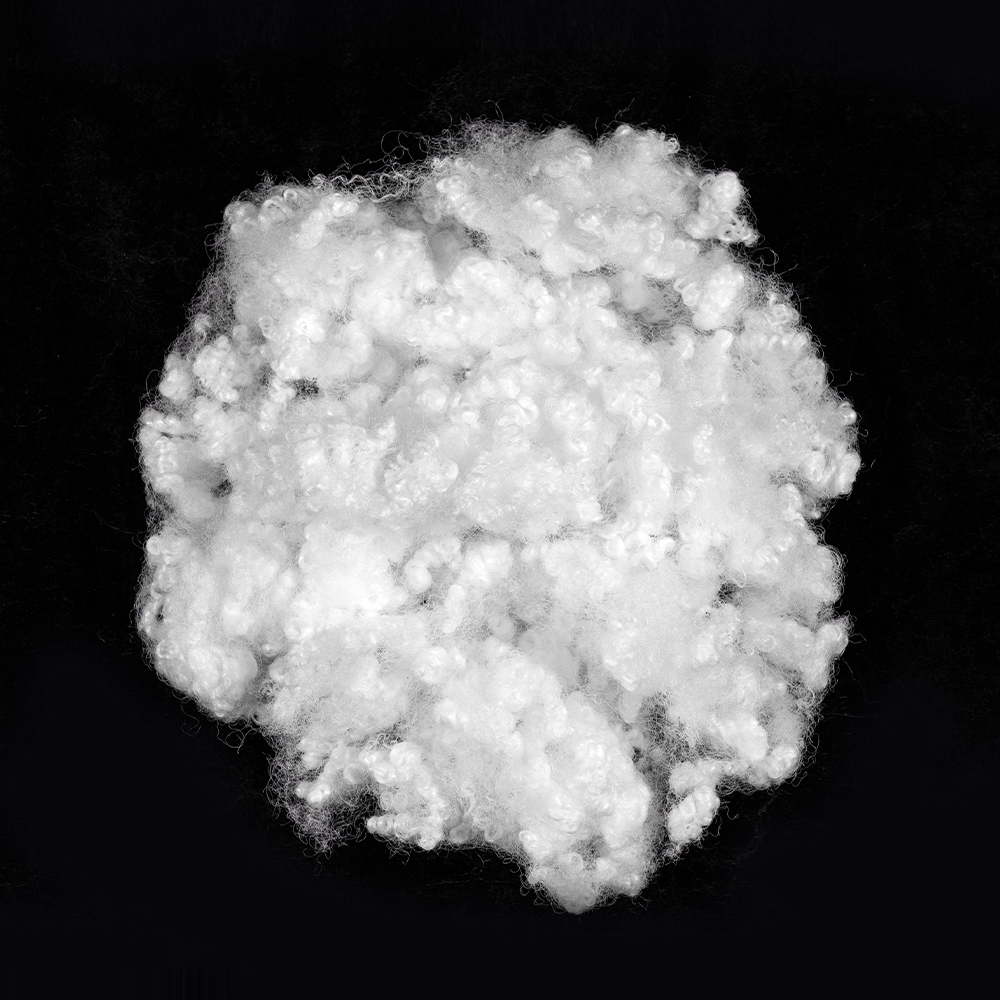
Polyester filling is one of the most common pillow core materials because it balances cost and performance without the allergy issues of down or feather. Hollow conjugate polyester staple fiber is a specific type of synthetic filling made from two different polymer components. It has a permanent crimp that gives the fiber its springiness, and the hollow center traps air to keep the pillow lofty.
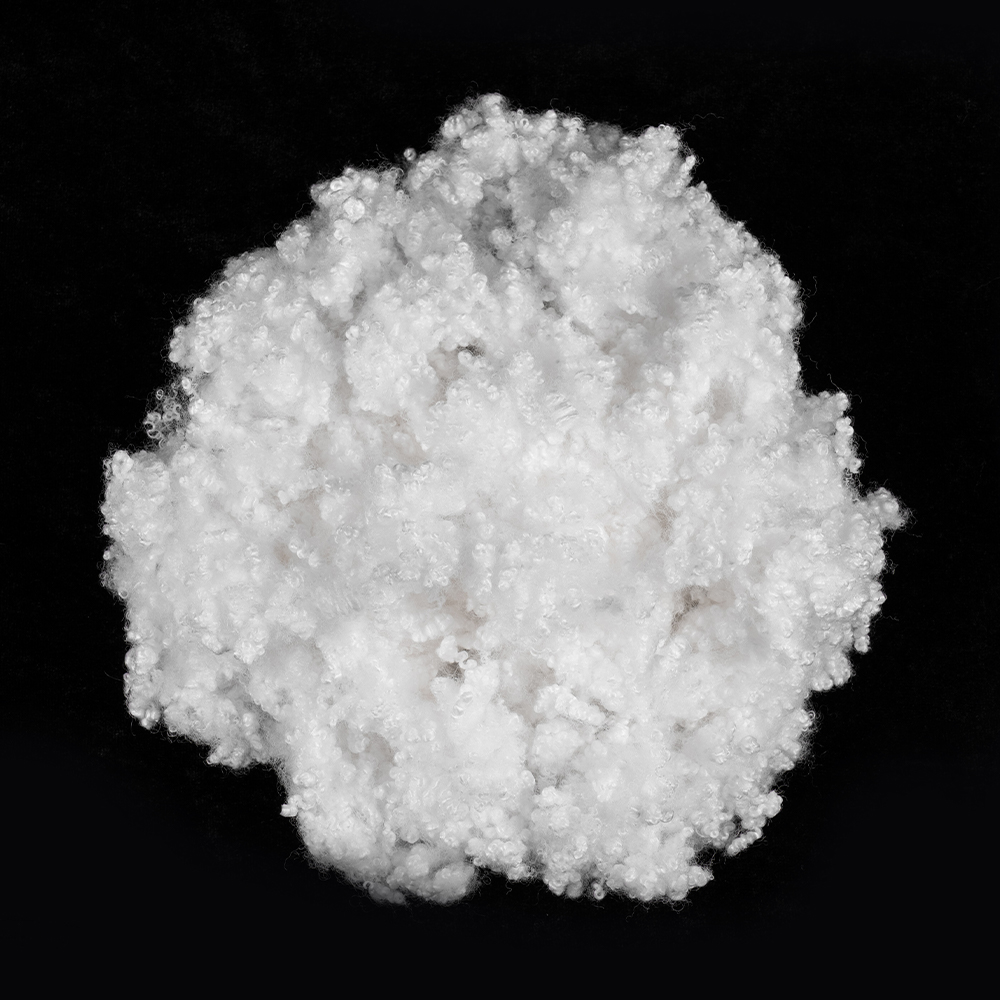 3D HCS Polyester Staple Fiber for Lightweight Pillow and Quilt FillingThis hollow conjugate fiber provides softness and loft while remaining lightweight. It recovers quickly after compression and is machine washable, making it a practical choice for both residential and hospitality pillow applications.View Product →
Compared with solid polyester fiber, hollow conjugate fiber weighs less per unit of filling volume. That means a pillow can be lighter while still recovering quickly after compression. It is also machine washable and needs no special care, which makes it attractive for both residential and hospitality pillows.
Hollow Conjugate Fiber: Silicone Oil and Non-Silicone Variants
Hollow conjugate fiber is supplied with or without a silicone oil finish. The silicone oil makes the fiber slicker and softer to the touch, which can help during opening and blending. Non-silicone fiber is preferred in some applications because it does not leave any oily residue on the fabric or the filling machinery.
| Fiber type | Denier | Length | Characteristic |
|---|---|---|---|
| Silicone oil treated HCS | 3D | 64mm | Soft and slippery for comfort |
| Silicone oil treated HCS | 7D | 64mm | Higher resilience for support |
| Non-silicone HC | 3D | 64mm | Clean processing, no residue |
| Non-silicone HC | 15D | 64mm | Firm and resistant to collapse |
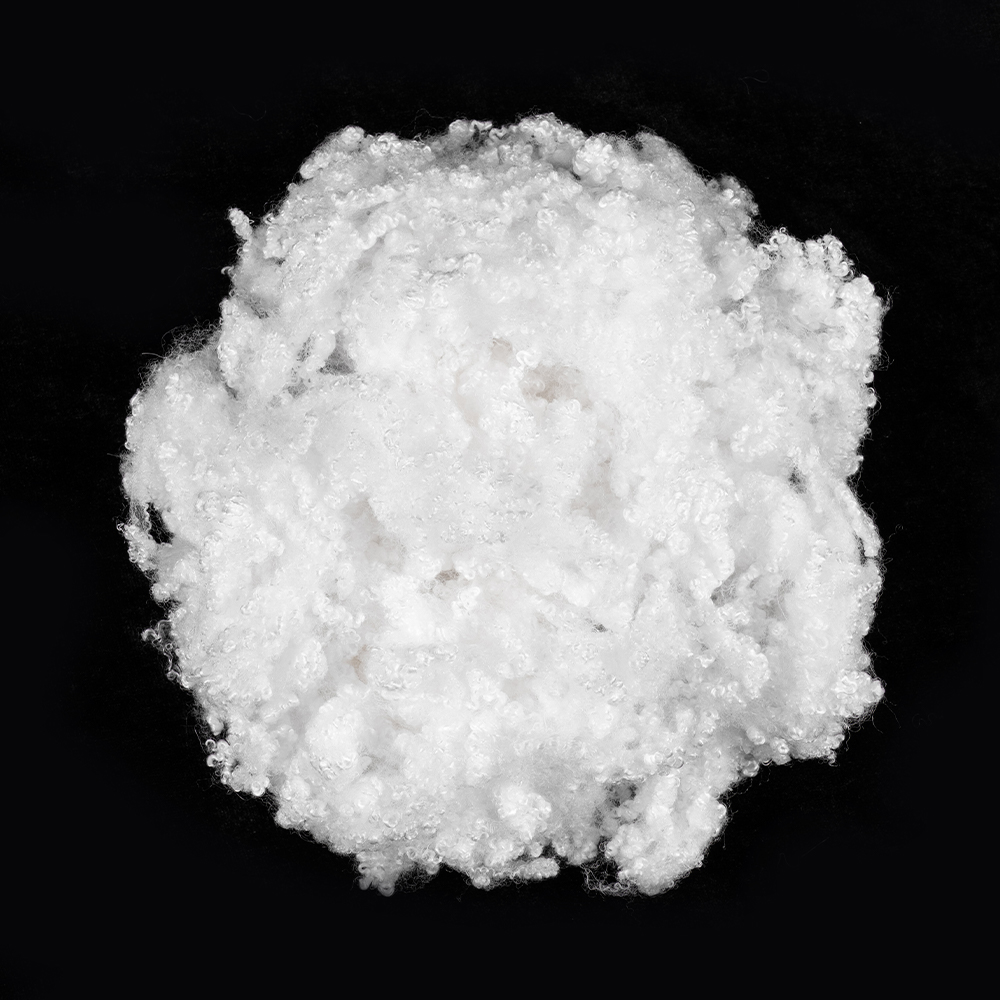 3D*64MM HC Polyester Staple Fiber for Stable Pillow FillingOffering superior cohesion and shape stability without a silicone finish, this fiber is easy to handle in filling machinery. Its non-residue property suits high-end bedding requiring consistent loft and warmth over time.View Product →
Selecting the right specification depends on the finished product. A 3D fiber produces a pillow with a cloud-like surface, while a 7D or 15D fiber adds structural support. Some manufacturers blend them to achieve a custom balance. If you are working with a filling machine, the non-silicone option can be easier to handle because it does not build up static or coat the equipment.
How Low-Melt Fiber and Micro Fiber Help in Pillow Production
In addition to hollow conjugate fiber, low-melt polyester fiber can be used to bind the filling together. Because low-melt fiber has a lower melting point, it can thermally bond with the rest of the filling during molding, creating a stable core that keeps its shape longer. Micro fiber, on the other hand, adds surface softness to a pillow filling blend.
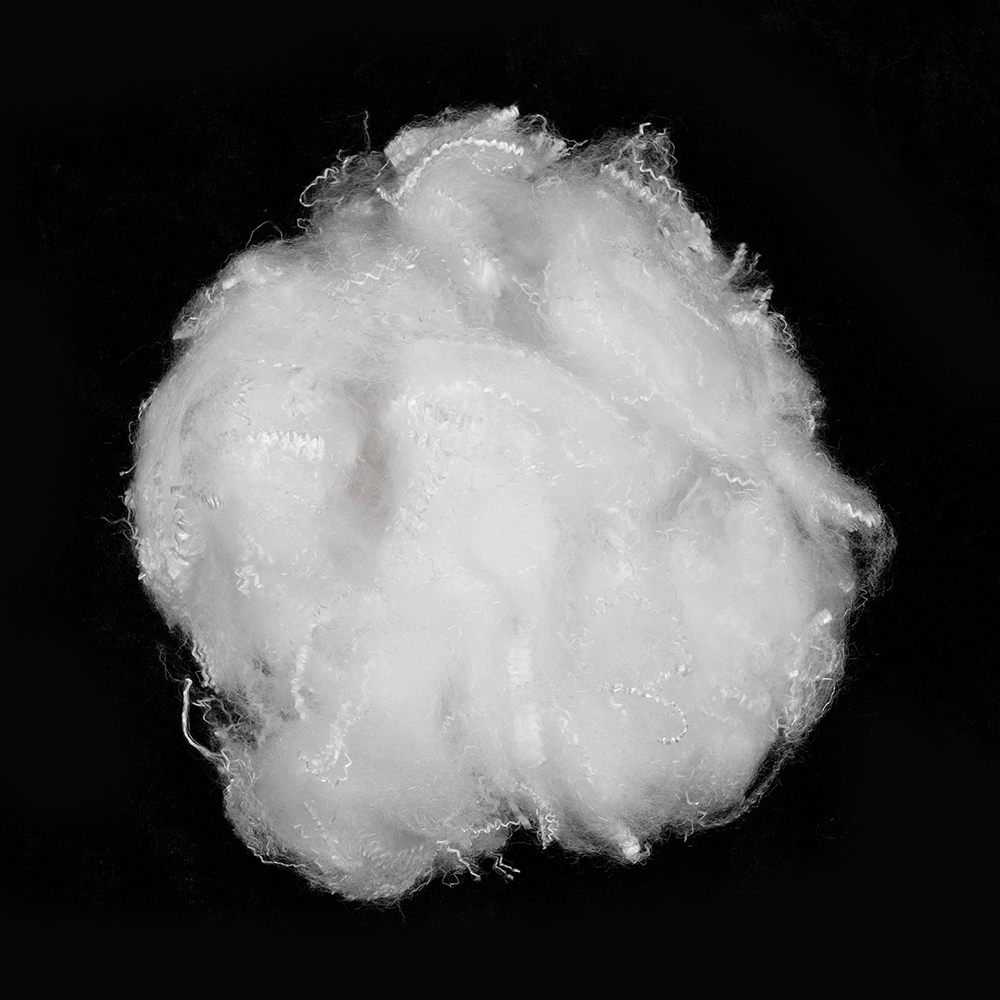 2D*51MM Polyester Staple Fiber for Thermal Bonding ApplicationsDesigned for heat bonding, this fine fiber bonds without adhesives, ideal for nonwovens and home textile fillings. Its soft conformability also benefits automotive interiors and mattress components requiring durable, flexible support.View Product →
Choosing the Right Pillow Core Filling
Start by asking who will sleep on the pillow and in what position. Side sleepers usually need a firmer filling to keep the spine aligned, while stomach sleepers may prefer a low-loft, soft filling. For a commercial buyer, consider the entire production workflow: how the fiber is opened, blended, filled, and sealed.
- Estimate the target loft and support level.
- Select a denier that matches that target.
- Decide whether silicone oil is acceptable for the finished product.
- Test a sample for compression recovery after multiple wash cycles.
- Confirm the fiber meets your supplier's consistency standards.
If you are sourcing for a contract bedding project, ask for a datasheet that lists denier variation, fiber length tolerance, and crimp count. These numbers are more useful than a general description of "soft" or "fluffy."
What Buyers Value in a Pillow Core Filling
The chart below shows the main factors that influence filling selection, based on typical buyer feedback in the bedding industry.
- Support 35%
- Breathability 20%
- Durability 20%
- Price 15%
- Allergen-free 10%
Because support matters most, a hollow conjugate fiber with a higher denier can be a good solution when you need the pillow to maintain loft under head weight.
FAQ About Pillow Core Filling
What is the best filling material for a pillow?
There is no single best filling for every sleeper. For affordable, washable, hypoallergenic options, polyester hollow conjugate fiber is a strong choice. Down is soft but can trigger allergies and requires more care.
How long does a polyester pillow last?
A well-made polyester pillow with a durable core filling typically lasts two to three years with regular washing. The filling should be checked for flattening or clumping after that time.
Are silicone oil treated hollow fibers safe?
Yes, silicone oil treated hollow conjugate fiber is processed for use in bedding and garment applications. It is stable, non-toxic, and approved for global petrochemical supply chains. If you need a completely oil-free finish, non-silicone variants are available.
Choosing a pillow core filling is a practical decision that involves balancing comfort, durability, cost, and production requirements. Hollow conjugate polyester fiber offers a proven and versatile answer, especially when you match the denier and finish to the intended use. Review the specification sheet, test samples, and understand how the fiber will behave in your machines. If you need guidance on how to choose hollow conjugate fiber filling materials, start with this practical guide. For any further questions, feel free to contact us.
Ningbo Huaxing Technology Co., Ltd.
-
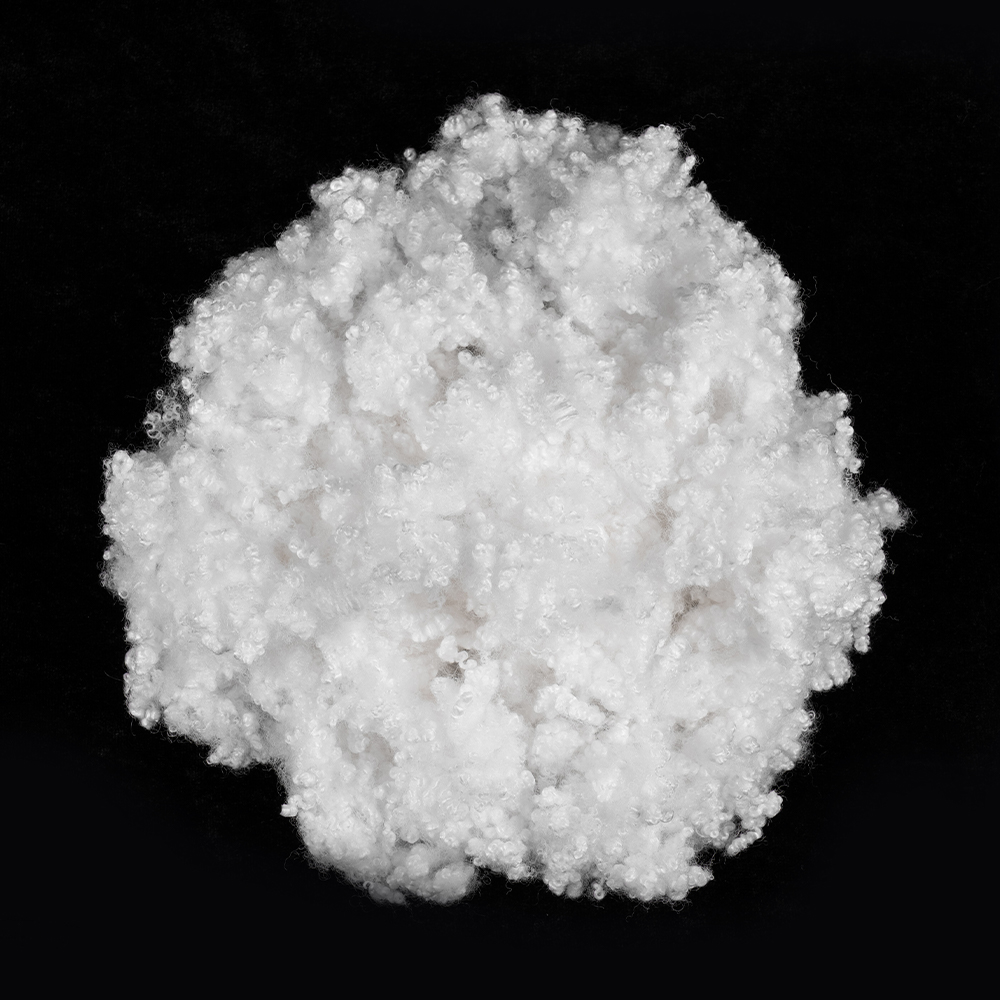
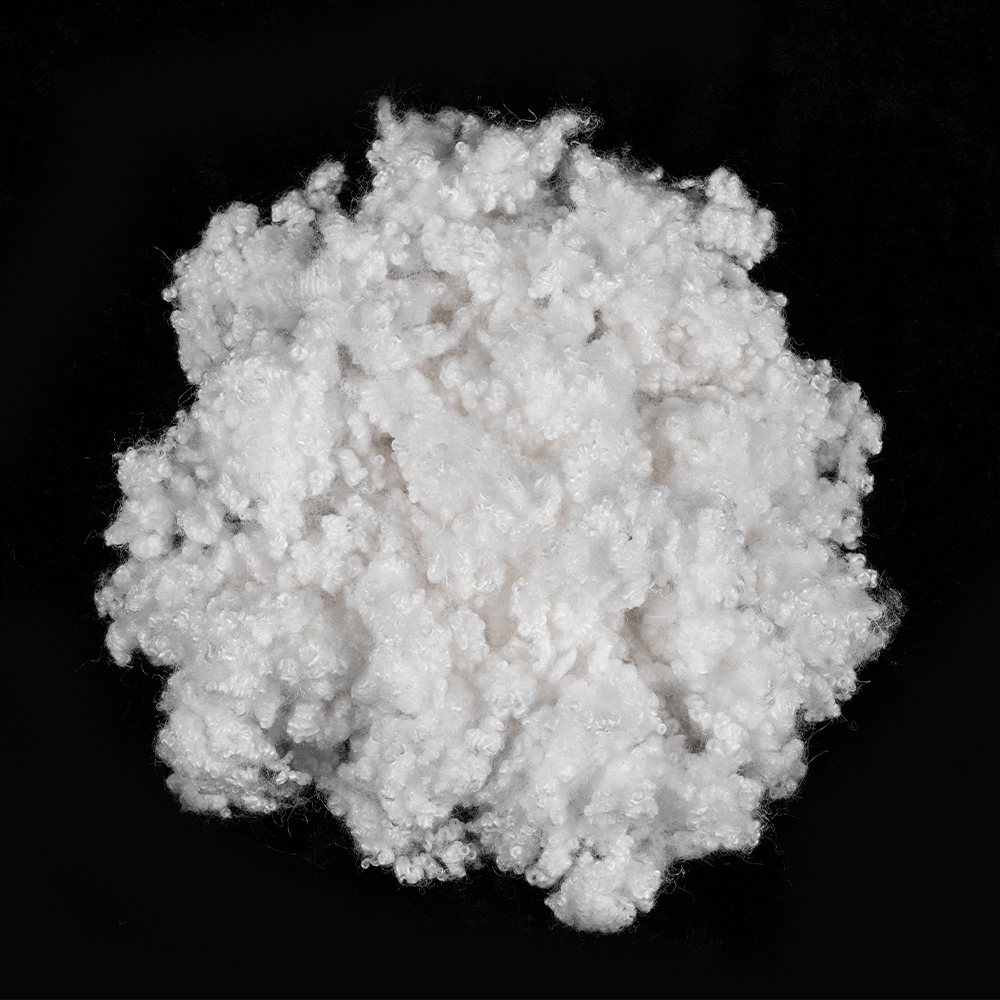
3D HCS Polyester Staple Fiber
-
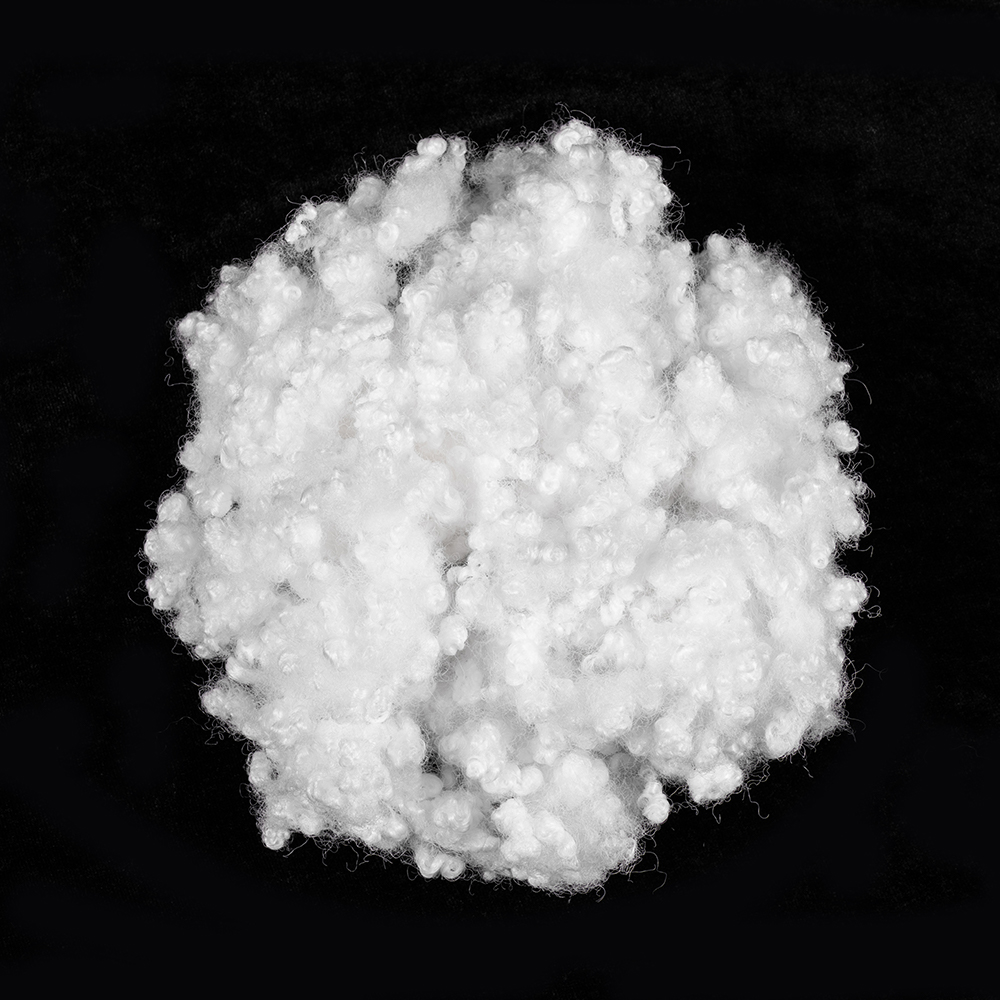
7D HCS Polyester Staple Fiber
-
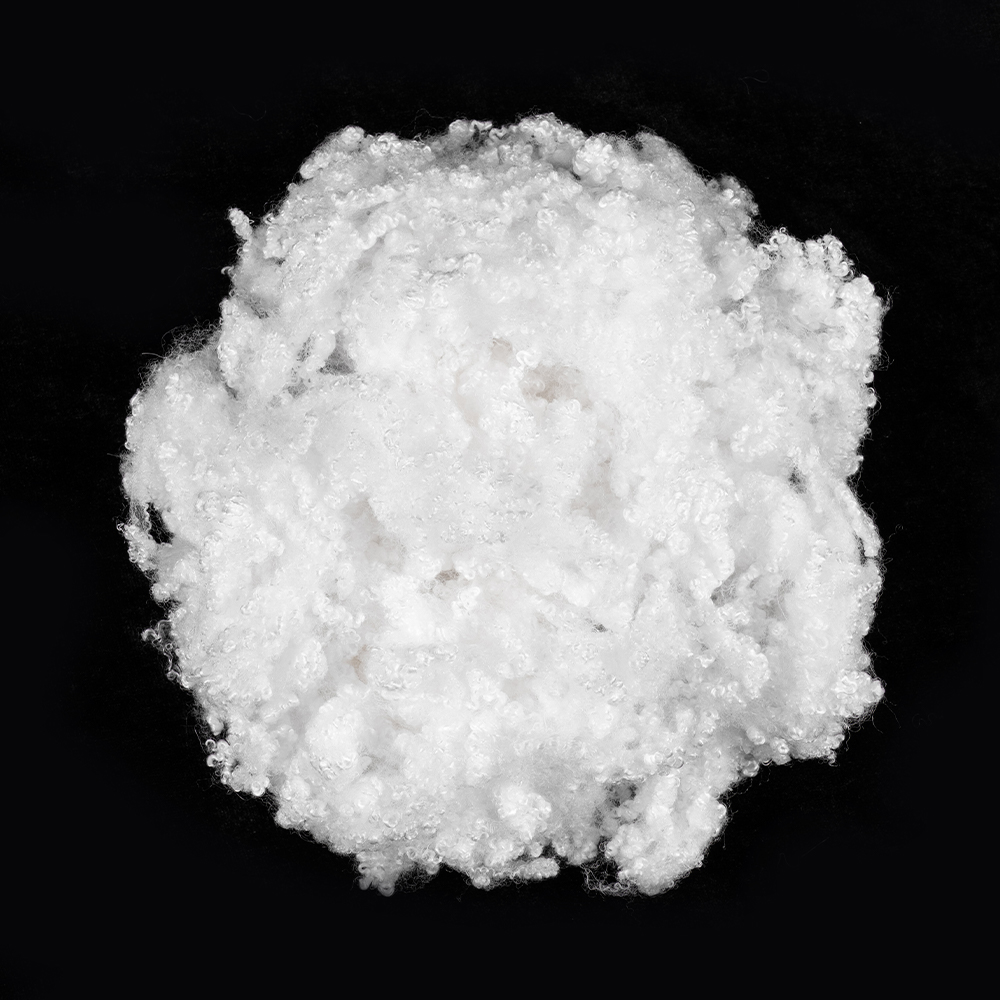
15D HCS Polyester Staple Fiber
-
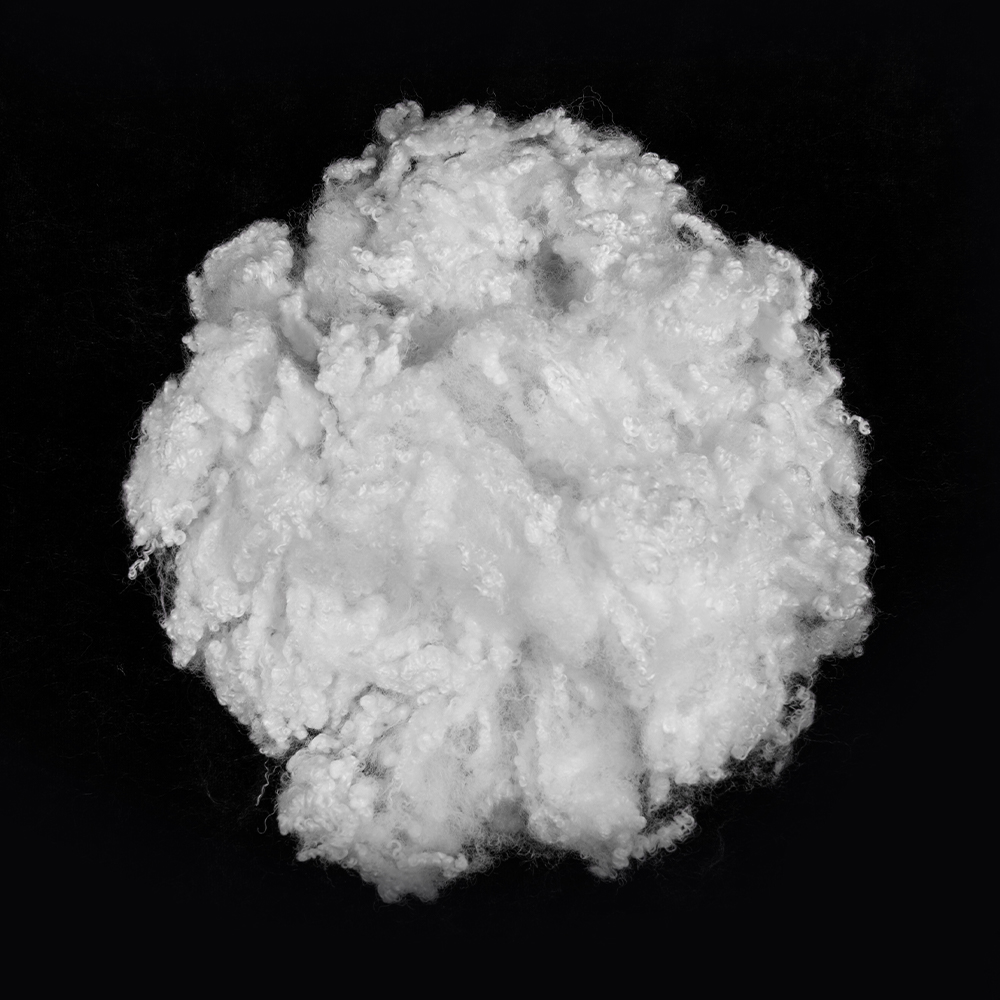
3D*64MM HC Polyester Staple Fiber
-
7D*64MM HC Polyester Staple Fiber
-
15D*64MM HC Polyester Staple Fiber
-
Quick Links
Home About Us Products FAQ News Contact Us -
Product Links
Polyester Staple Fiber Pre-oriented Yarn/POY Polyester Chip/PET Chip -
About Us
About Us Factory Honor FAQ -
Get In Touch
E-mail:
[email protected]Phone:
+86-130 8198 6637Tel:
+86-0574-63732888Address:
Haidianrong Village, Longshan Town, Cixi City, Ningbo, Zhejiang Province, China.
