-
 Welcome to Huaxing Technology
-
 Email us: [email protected]


 中文简体
中文简体

Blanket and Carpet Raw Materials: Practical Polyester Fiber Selection Guide
Content
Blanket and carpet raw materials determine how a finished product feels, how long it holds its shape, and how predictable the factory process is. The first decision is simple: for most commercial production, engineered polyester offers the strongest combination of softness, color retention, and cost stability. This article explains the main material groups, the role of each polyester format, and the specifications that matter when you buy fiber for blankets or carpets.
Raw Materials for Blankets and Carpets at a Glance
A tufted carpet is more than a pile surface. It also contains a primary backing, an adhesive layer, and a secondary backing. A blanket often combines a surface fiber with a filling or backing layer and, in bonded constructions, a low-melt binder. Still, the face fiber or filling fiber defines the product in the eyes of the end user.
| Material | Common Use | Strengths | Watch-outs |
|---|---|---|---|
| Wool | Blanket face, premium carpet pile | Warmth, natural recovery, comfort | Higher cost, moisture sensitivity |
| Cotton | Blanket surface, woven backing | Soft, breathable, easy to dye | Lower resilience, slower drying |
| Nylon | Carpet pile yarn | Tough, well-established durability | Higher price, static build-up |
| Polyester (PET) | Blanket fill, carpet face, backing | Color stability, softness, moisture wicking | Needs clean melt and consistent processing |
| Polypropylene | Carpet face, secondary backing | Stain resistance, low weight | Softer feel limitations, lower resilience |
Polyester stands out because it can be made as soft hollow fiber for filling, fine staple for nonwoven surfaces, or textured yarn for carpet pile. That versatility explains why PET-based materials have become the default reference point in many mills.
Why Polyester Has Become a Mainstream Raw Material
All polyester products start from fiber-grade PET chips. These chips are melted, extruded, and either drawn into continuous filaments such as POY or cut into short staple fibers. POY is later textured and twisted into carpet face yarn; staple fiber is opened, carded, and processed into fillings, felts, or spun yarn.
Our own line in Ningbo uses direct esterification with five-reactor polycondensation and direct melt spinning, giving an annual POY capacity of 160,000 tonnes. That scale is not just capacity; it improves batch-to-batch consistency, which is the first issue carpet mills ask about.
These scores should be checked on your own line, but they explain why polyester is a common choice for mid-market and premium home textiles. The key is not choosing polyester over wool; it is choosing the right polyester format, denier, and finish.
Choosing the Right Staple Fiber for Blankets and Carpets
Staple fiber is processed through opening, blending, carding, and needle punching or spinning. The product format must match the machine settings. The following three grades cover most blanket and carpet applications.
Hollow fiber for loft and warmth
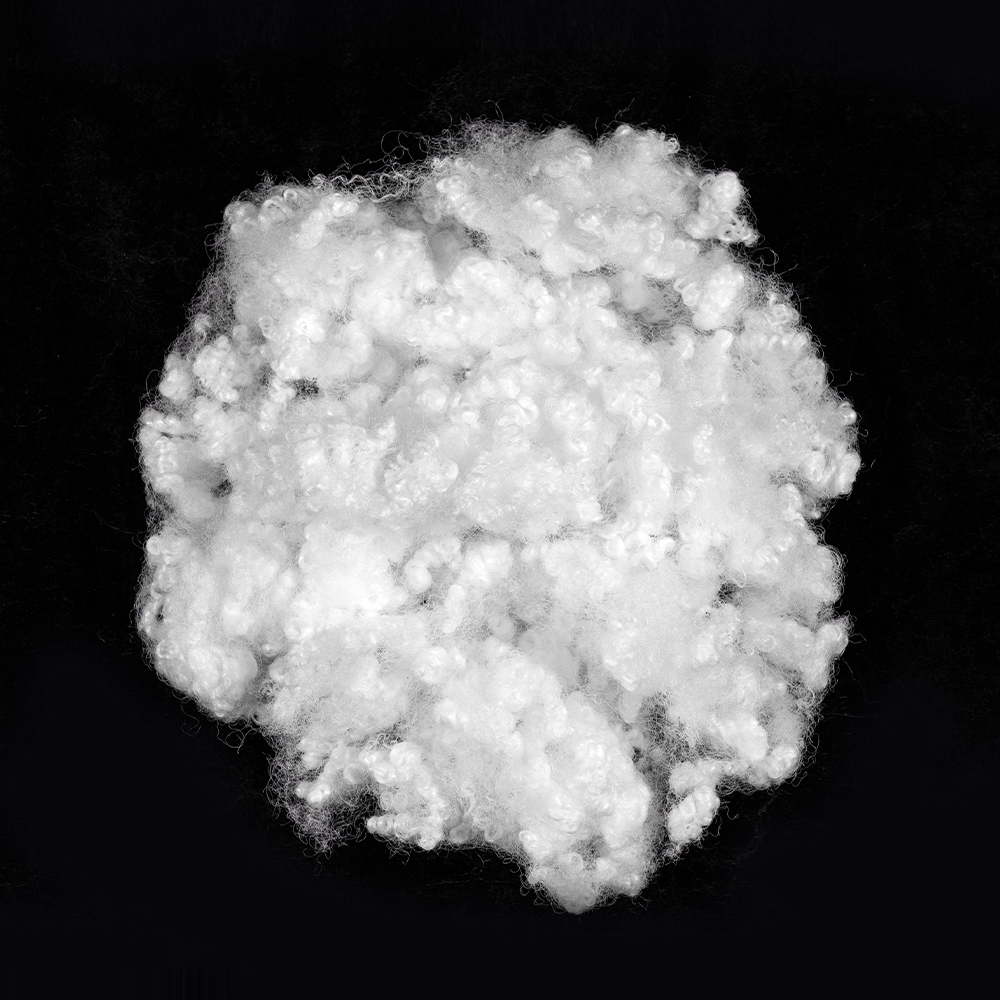
For blankets and quilted top layers, hollow fibers trap air and reduce weight. A silicone-treated version lowers fiber-to-fiber friction and improves the soft feel that quilting lines notice. If your specification calls for a resilient filling with good recovery, our 7D silicone-treated hollow conjugate fiber is a straightforward starting point. It provides enough bulk for lofted filling and enough strength to run through carding without excessive breakage.
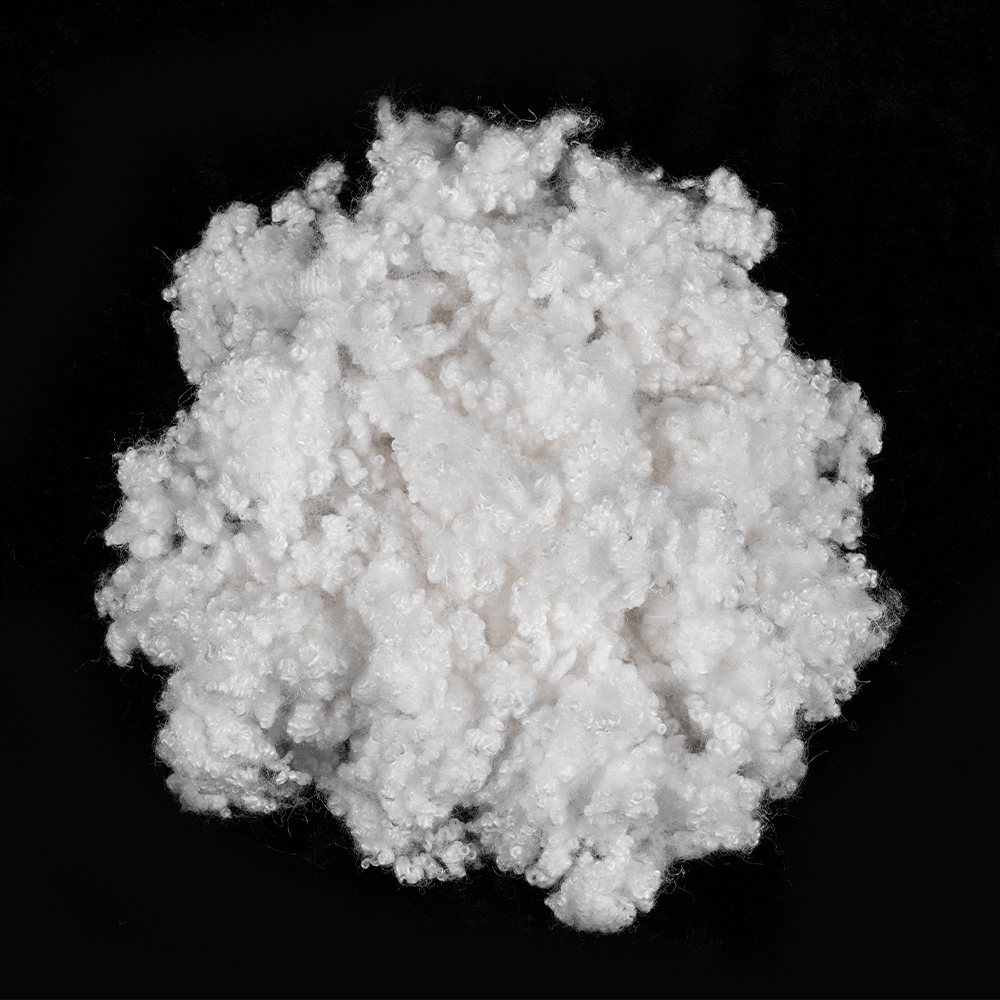 Wholesale 7D HCS Polyester Staple Fiber Manufacturer, Factory - Ningbo Huaxing TNingbo Huaxing Technology Co., Ltd is a China 7D HCS Polyester Staple Fiber manufacturer and factory, we supply 7D HCS Polyester Staple F...View Product →
Low-melt fiber for bonded structure
Needled felt carpets, carpet underlayment, and bonded wadding rely on low-melt polyester fibers as thermoplastic binders. Blended at 10 to 20 percent of the total weight, these fibers melt during drying or hot pressing and fuse the surrounding matrix. For a clean bond without excessive stiffness, 4D/64mm low-melt polyester staple fiber gives a good balance of binder surface area and dimensional stability. For a more detailed comparison of binder specifications, see our guide to selecting the right low melt fiber specification.
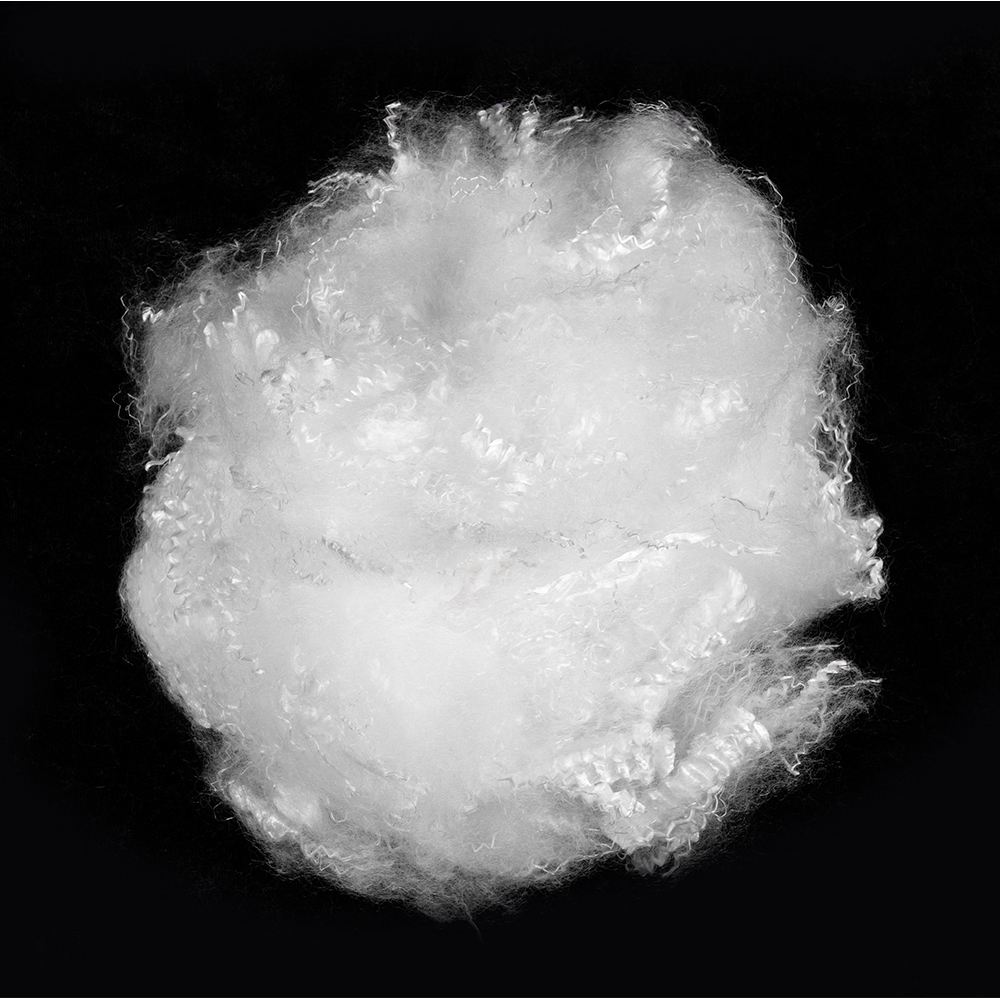 4D*64HMM Low Melt Fiber Polyester Staple Fiber Manufacturer, FactoryNingbo Huaxing Technology Co., Ltd is a China 4D*64HMM low melt fiber manufacturer and factory, we supply 4D*64HMM polyester staple fiber...View Product →
Velvet-like blanket surfaces and fine nonwoven face layers need fine deniers to increase cover without adding weight. A fiber at 1.2D/25mm is fine enough to create a compact, soft surface while remaining machine-processable. When touch is the main selling point, 1.2D/25mm micro polyester staple fiber can reduce pilling and give the product a more premium finish.
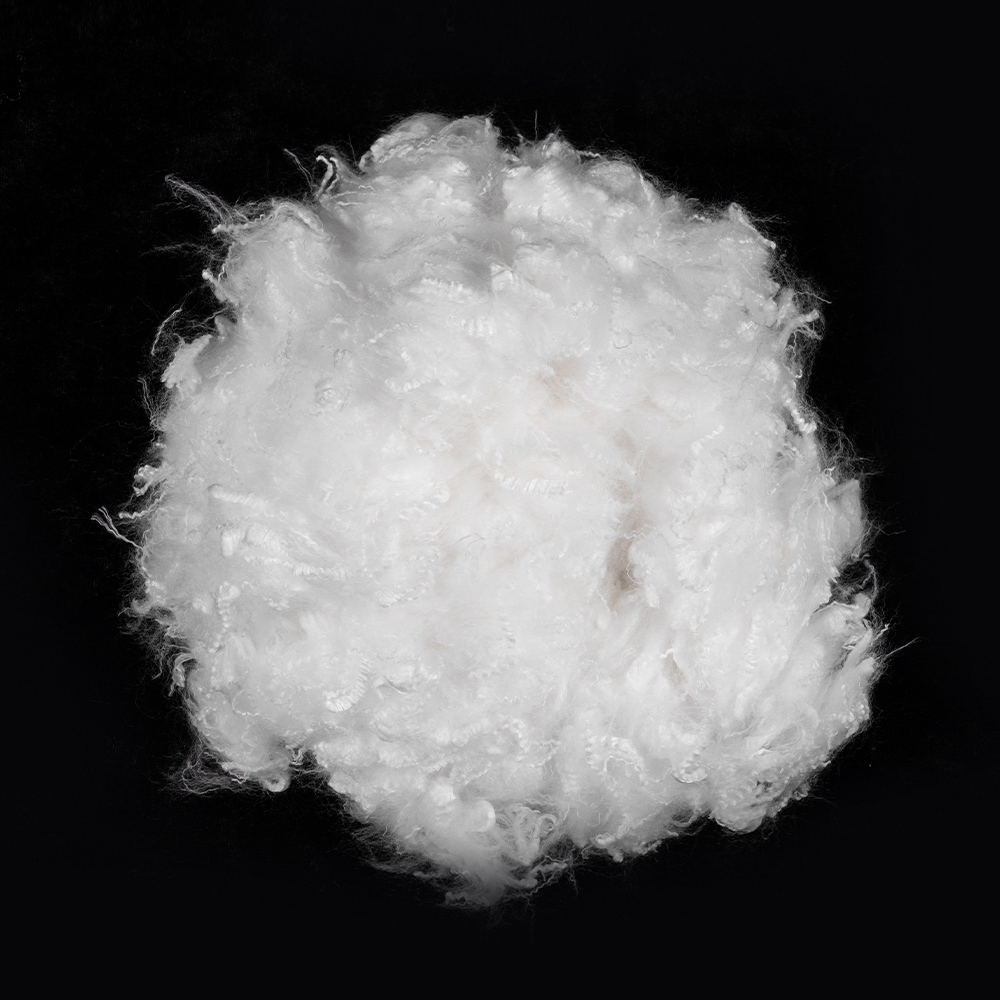 Wholesale 1.2D*25MM Polyester Staple Fiber Manufacturer, Factory - Ningbo HuaxinNingbo Huaxing Technology Co., Ltd is a China 1.2D*25MM Polyester Staple Fiber manufacturer and factory, we supply 1.2D*25MM Polyester St...View Product →
Key Buying Criteria for Blanket and Carpet Raw Materials
When a fiber lot arrives at your mill, the first failures happen in carding or needle punching, not in customer use. This is why denier and cut length tolerances matter as much as the chemistry.
| Polyester Grade | Denier | Cut Length | Typical Role |
|---|---|---|---|
| Hollow conjugate fiber | 7D | 64mm | Blanket fill, pillow fill |
| Silicone-treated hollow fiber | 7D | 64mm | Soft hand, thermal blanket fill |
| Low-melt binder fiber | 4D | 51mm or 64mm | Carpet felt, bonded wadding |
| Micro fiber | 1.2D | 25mm or 32mm | Premium blanket surface, nonwoven face |
| Regular polyester staple | 3D to 15D | 64mm | Carpet face, needled felt |
Check the following before placing a production order:
- Denier tolerance: consistent diameter prevents streaks and uneven carding.
- Cut length tolerance: short or long pieces affect cohesion and web strength.
- Crimp and bulk: stable crimp supports loft, resilience, and machine feeding.
- Finish or oil content: silicone levels change hand feel and downstream coating behavior.
- Batch traceability: reliable documentation makes quality complaints easier to resolve.
Frequently Asked Questions
In many constructions, yes. Good crimp and silicone finish create similar loft and softness at a lower cost, with easier washing and no moth issues. Wool still has a position at the very top of the woven blanket market, but polyester is the practical volume alternative for most manufacturers.
What percentage of low-melt fiber should I use?
Ten to twenty percent is the usual starting range for needled felt and bonded wadding. The right ratio depends on fiber denier, heating temperature, and the required stiffness. Start at the middle of the range, then adjust according to web strength and hand feel.
Why does the same denier behave differently in blanket and carpet processes?
Blanket filling usually needs high crimp and lower density, while carpet face yarns need a strong, uniform filament bundle. Even when the denier is the same, finish, crimp, and cut length are different. That is why a raw material supplier should be evaluated on specification control, not just the base resin.
Final Recommendations
Start with the end product. Soft, lofty blankets need hollow or micro fiber with the right finish. Durable carpet faces need consistent texturizing and color-stable yarn. Bonded backing needs a stable low-melt grade. Each material has a clear job, and the best results come from matching the fiber format to the machine process.
Ningbo Huaxing Technology has been producing polyester fiber and POY since 2001. We can provide samples and adjust finish or cut length to your line. If you want a practical discussion about your material specification, contact our technical team through the contact page.
Ningbo Huaxing Technology Co., Ltd.
-
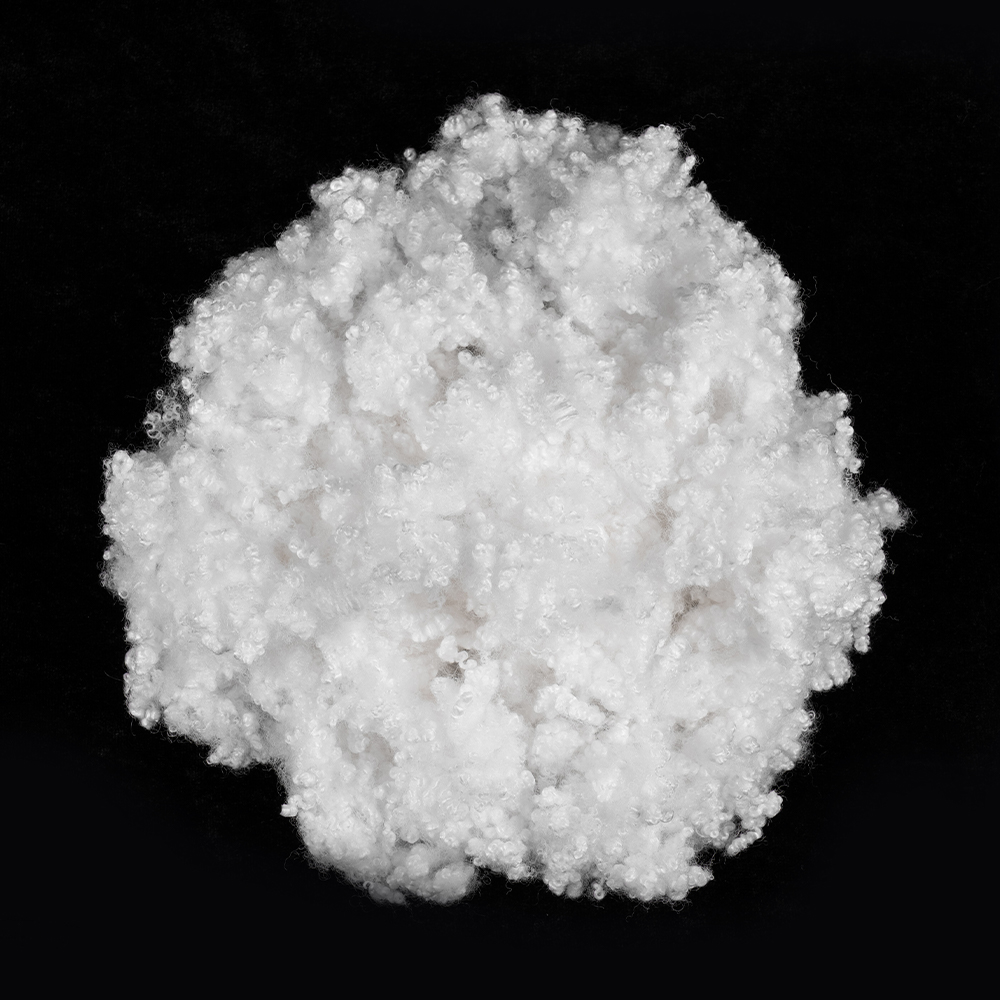
3D HCS Polyester Staple Fiber
-
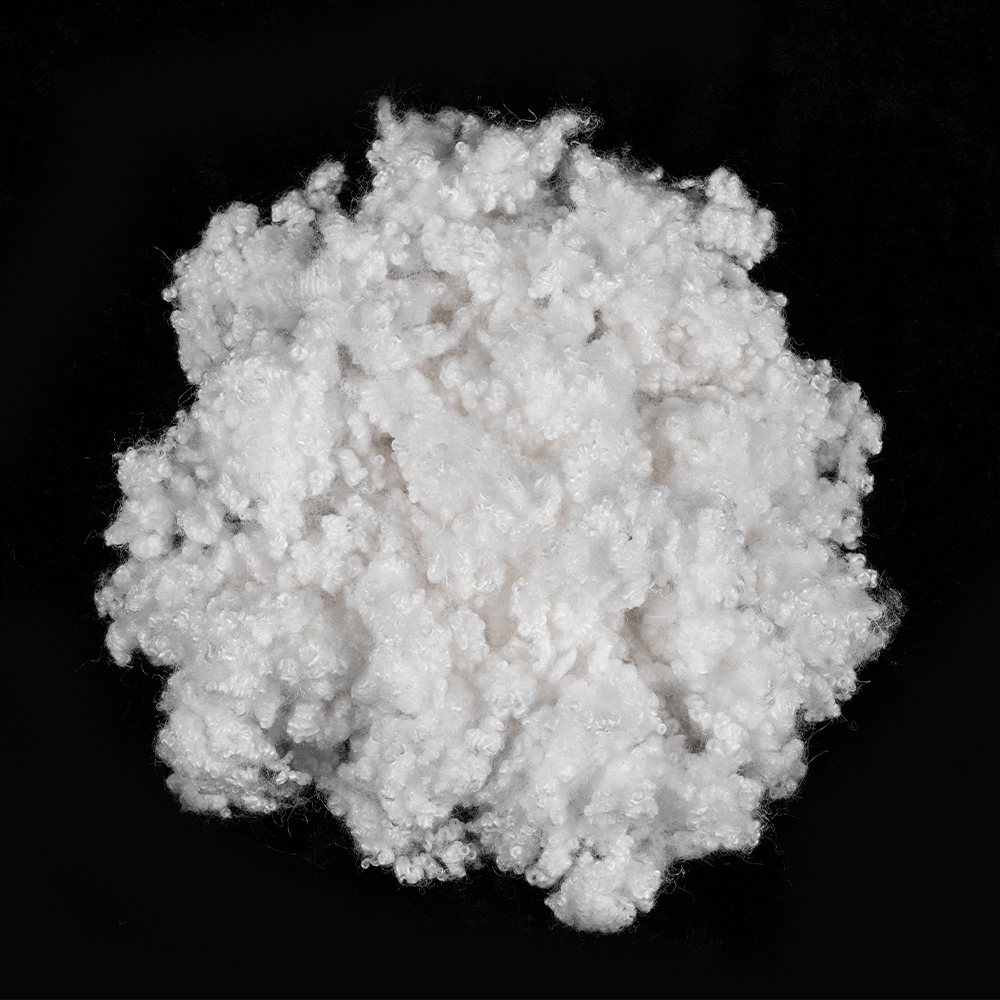
7D HCS Polyester Staple Fiber
-
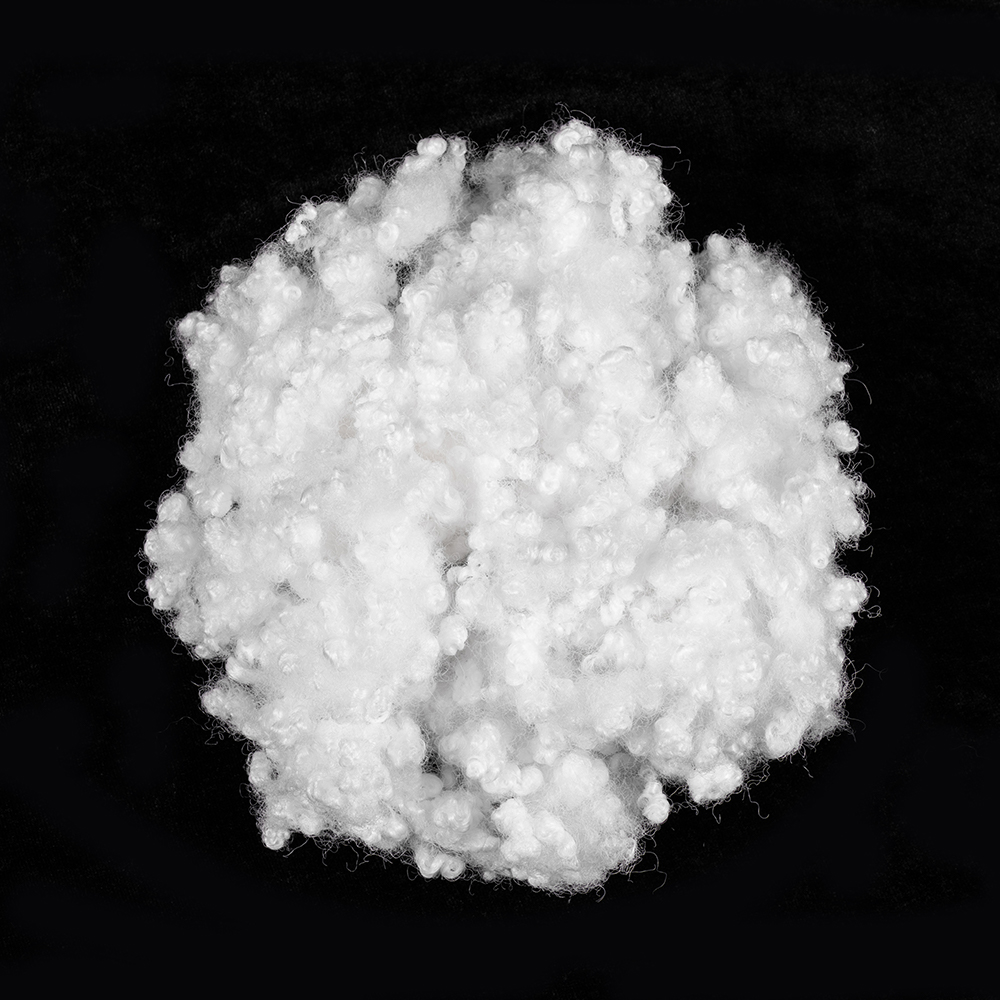
15D HCS Polyester Staple Fiber
-
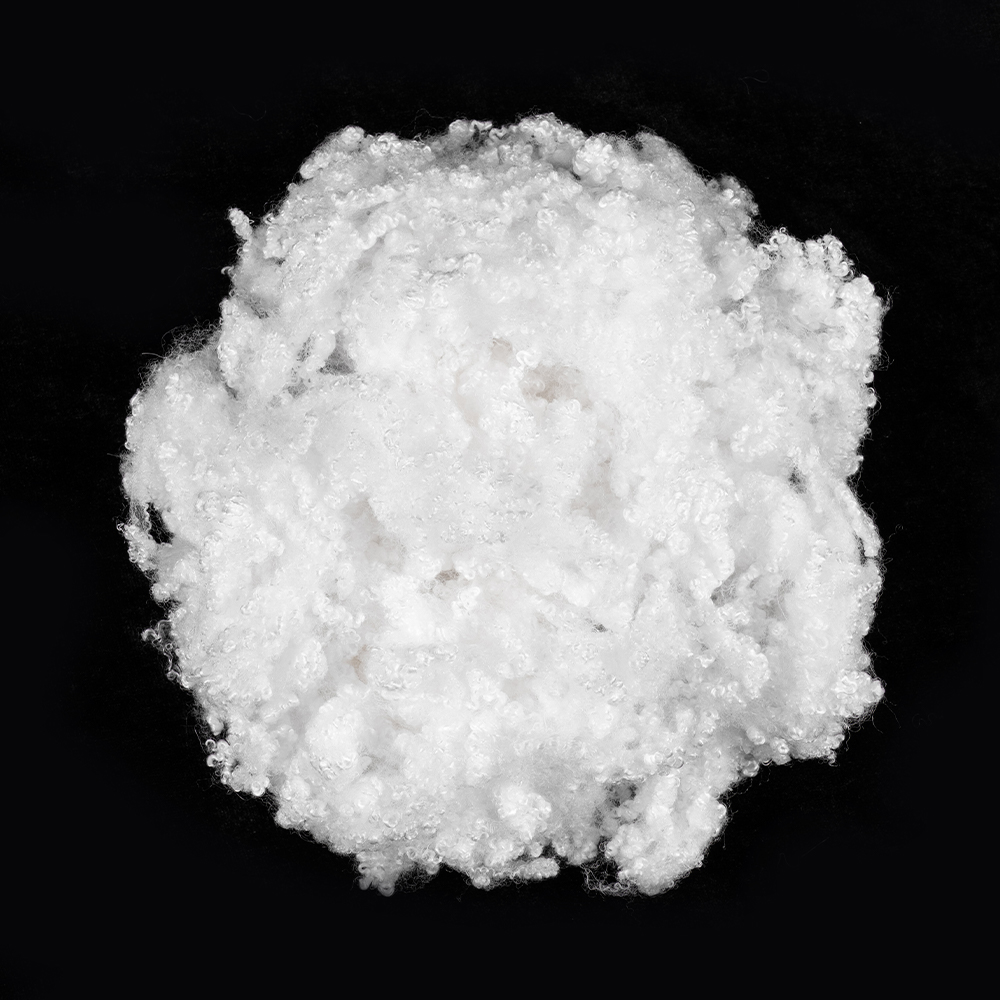
3D*64MM HC Polyester Staple Fiber
-
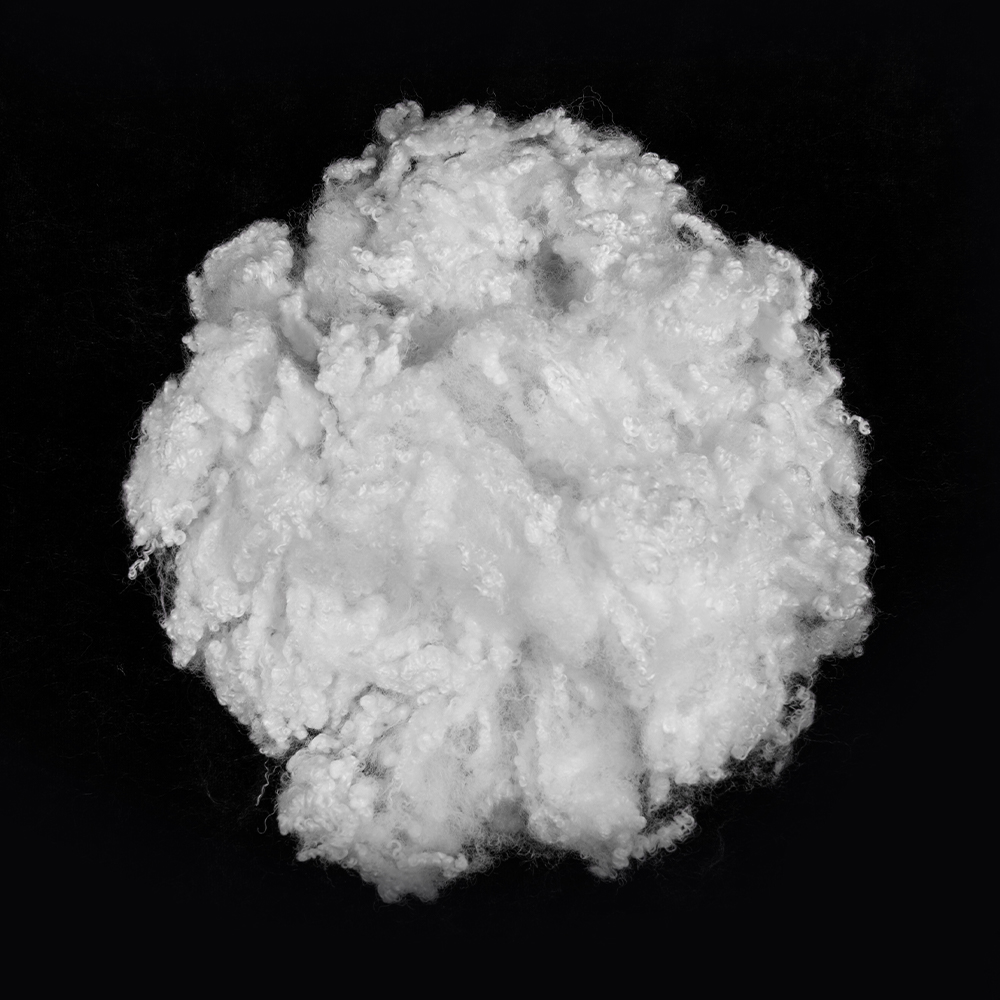
7D*64MM HC Polyester Staple Fiber
-
15D*64MM HC Polyester Staple Fiber
-
Quick Links
Home About Us Products FAQ News Contact Us -
Product Links
Polyester Staple Fiber Pre-oriented Yarn/POY Polyester Chip/PET Chip -
About Us
About Us Factory Honor FAQ -
Get In Touch
E-mail:
[email protected]Phone:
+86-130 8198 6637Tel:
+86-0574-63732888Address:
Haidianrong Village, Longshan Town, Cixi City, Ningbo, Zhejiang Province, China.
