-
 Welcome to Huaxing Technology
-
 Email us: [email protected]


 中文简体
中文简体

What Is Hollow Conjugate Fiber and Why Is Its Hollow Structure the Key to Down-Like Warmth?
Content
- 1 How the Hollow and Conjugate Structure Is Formed
- 2 Performance Advantages Compared With Solid Polyester Fiber
- 3 Hollow Conjugate Fiber Product Range
- 4 Where Hollow Conjugate Fiber Is Actually Used
- 5 HCS Versus HC: Choosing the Right Finish
- 6 Specification Factors That Affect Processing
- 7 Frequently Asked Questions
Hollow Conjugate Fiber is a polyester staple fiber built with a tube-like hollow core and a permanent three-dimensional spiral crimp. The hollow channel traps still air for lightweight warmth, while the helical crimp gives the fiber lasting loft and quick recovery after compression. In short, it behaves like a synthetic version of down feather, only it is washable, quick-drying and far more consistent from batch to batch. This is why it has become the standard filling material for pillows, quilts, sofas, mattresses, plush toys and automotive interiors across the global textile supply chain.
How the Hollow and Conjugate Structure Is Formed
The fiber is produced through bi-component hollow spinning. Two polymer streams with different shrinkage rates are extruded together while air is introduced into the core, leaving a continuous cavity running along the length of the filament. Because the two polymer sides shrink unevenly during cooling, the fiber naturally twists into a spiral crimp rather than the flat zig-zag crimp seen in ordinary staple fiber. This spiral is locked into the polymer itself, so it does not flatten out the way a mechanically imposed crimp does over time.
| Structural Element | What It Does | Result for the End Product |
| Hollow core (15% to 30% of cross-section) | Encloses still air inside the fiber | Lower weight and higher thermal resistance |
| Three-dimensional spiral crimp | Creates space between neighboring fibers | High loft plus fast bounce-back after pressure |
| Silicone or non-silicone finish | Adjusts surface friction of the fiber | Soft slick hand feel or stronger bonding grip |
Performance Advantages Compared With Solid Polyester Fiber
Solid polyester staple fiber is dense and heavy for the volume it fills. Hollow Conjugate Fiber solves this by combining a lighter structure with a stronger physical spring, so manufacturers can hit both a lightweight target and a firm, plush hand feel in one material.
- High loft and elasticity — the spiral crimp interlocks between fibers, so filled products resist collapsing under repeated pressure.
- Warmth close to natural down — the enclosed air pockets form an insulating layer without adding bulk weight.
- Soft, safe touch — naturally resistant to mildew, insects and moths, which suits products used close to skin.
- Washable and quick-drying — high hydrophobicity means the fiber sheds water and dries fast without clumping.
- High pilling resistance — the crimped structure holds its shape through repeated washing and mechanical use.
Hollow Conjugate Fiber Product Range
Five core specifications cover most filling and processing needs, from ultra-soft high-end pillow cores to firm, support-oriented mattress and automotive fillings.
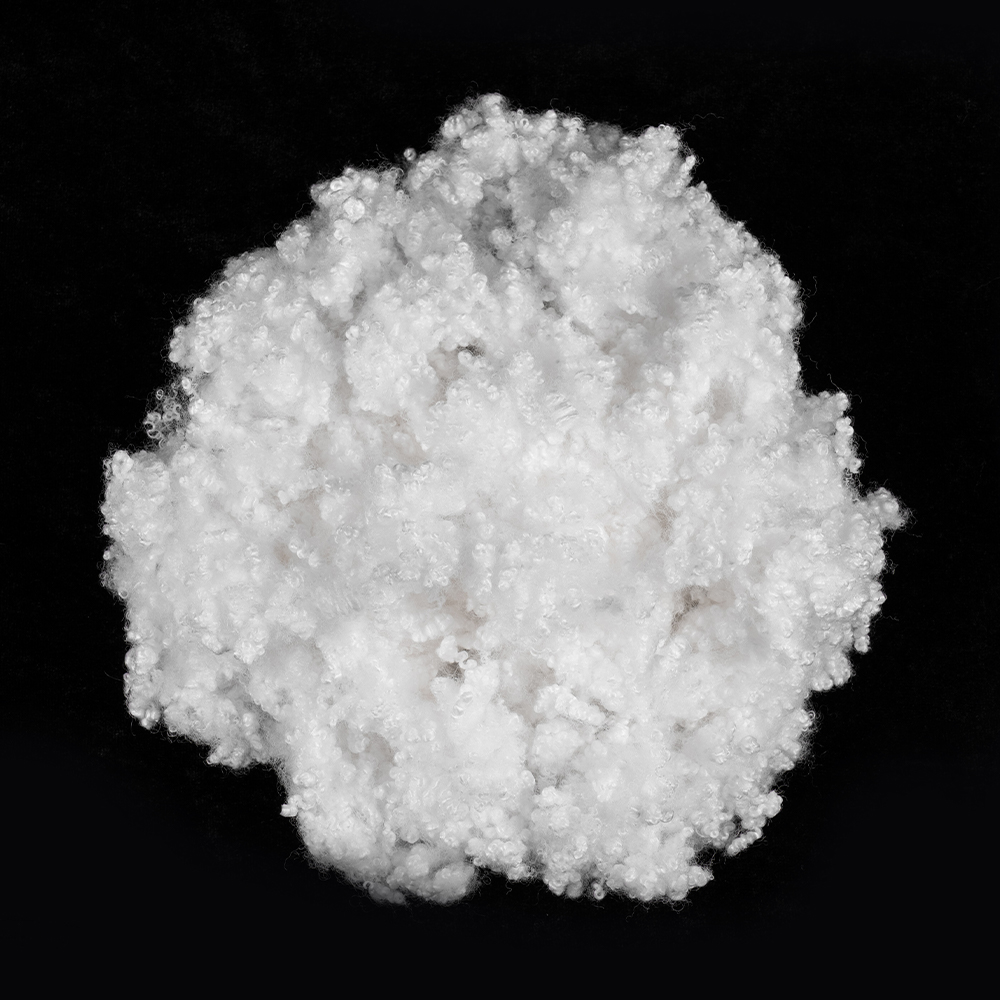
3D HCS Polyester Staple Fiber
High-End Filling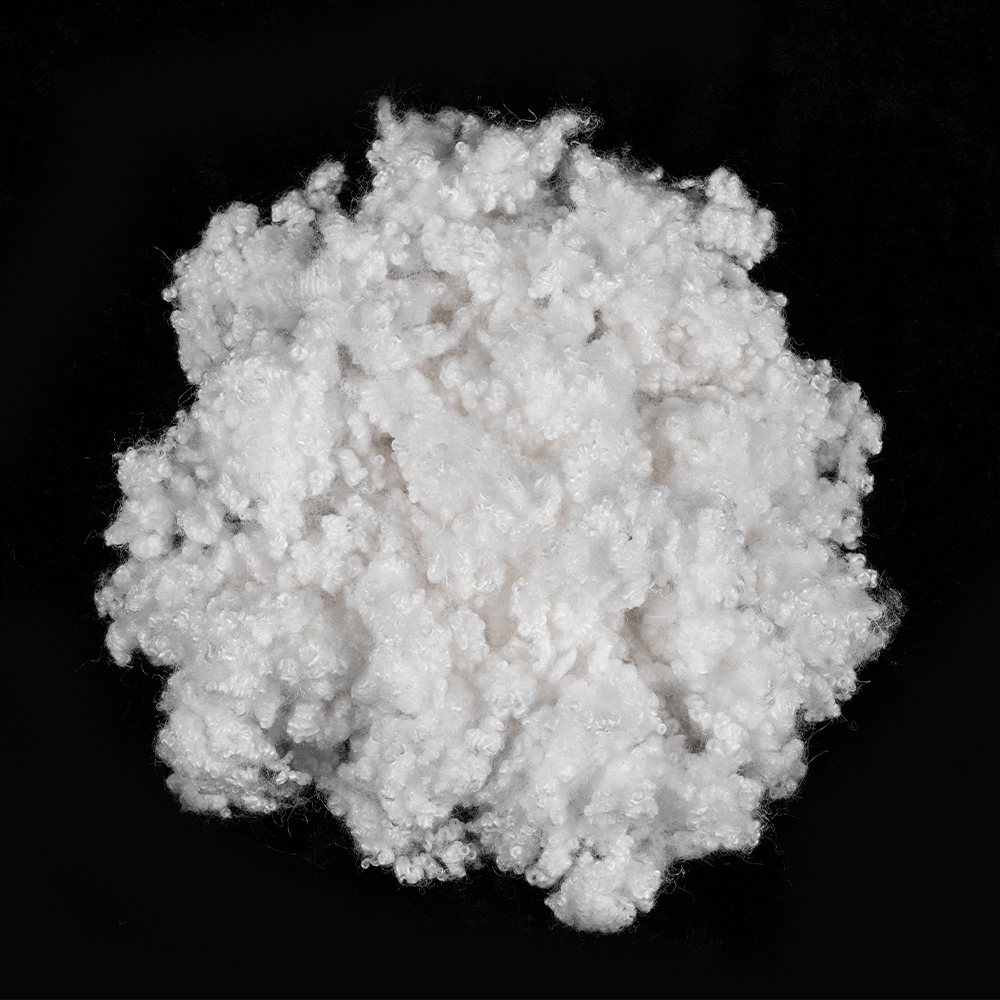
7D HCS Polyester Staple Fiber
General Filling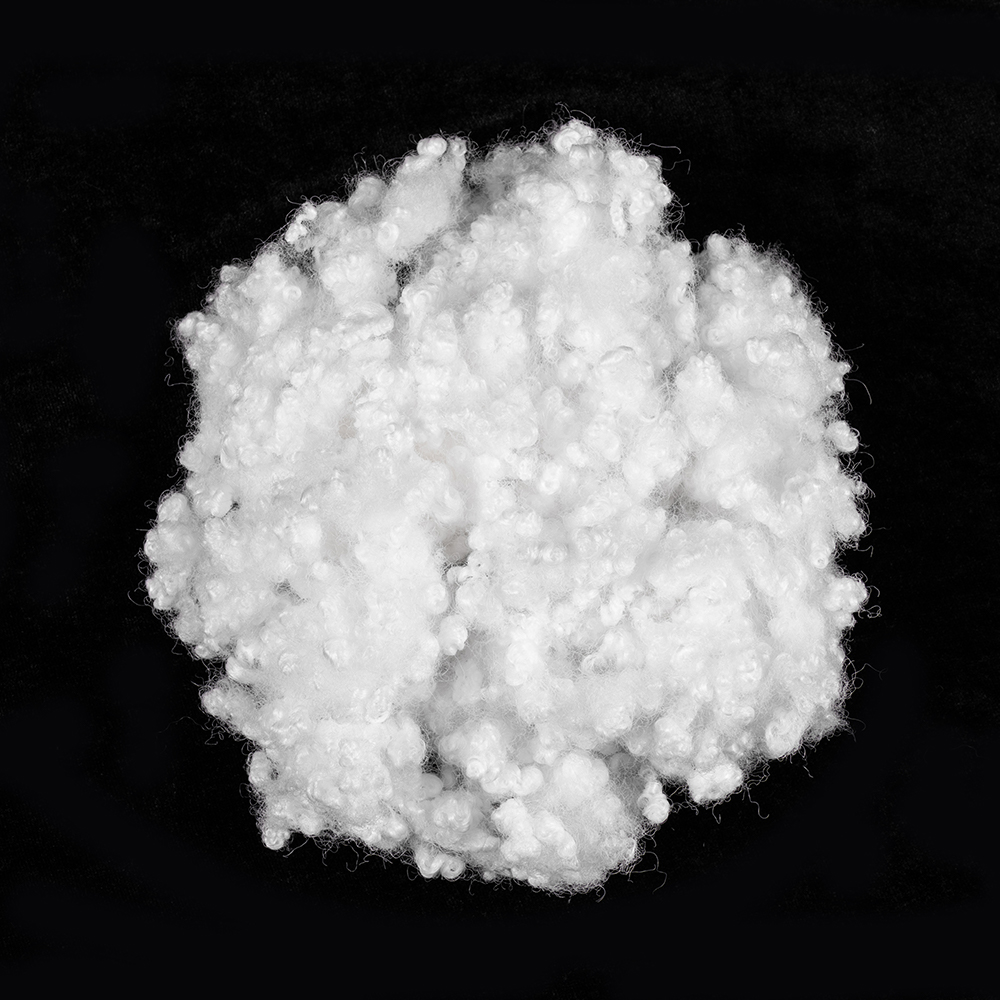
15D HCS Polyester Staple Fiber
Support Grade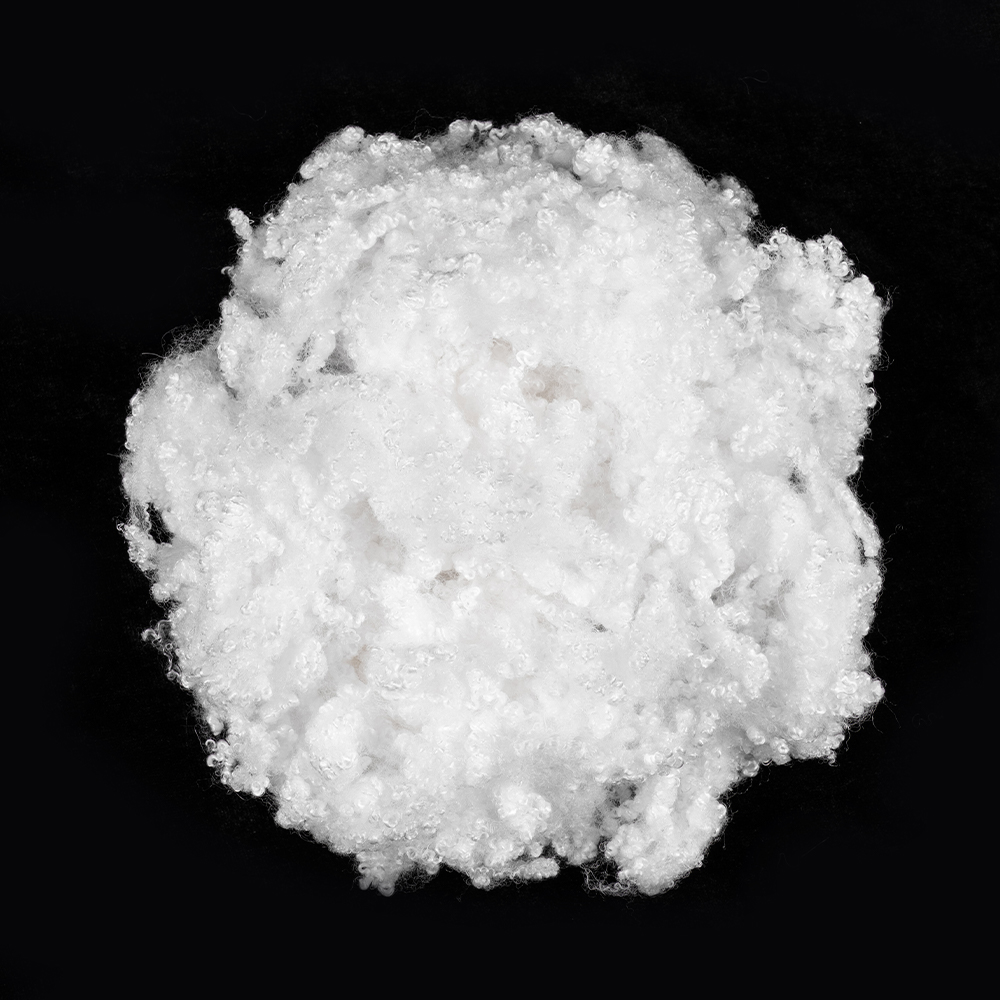
3D×64MM HC Fiber
Non-Silicone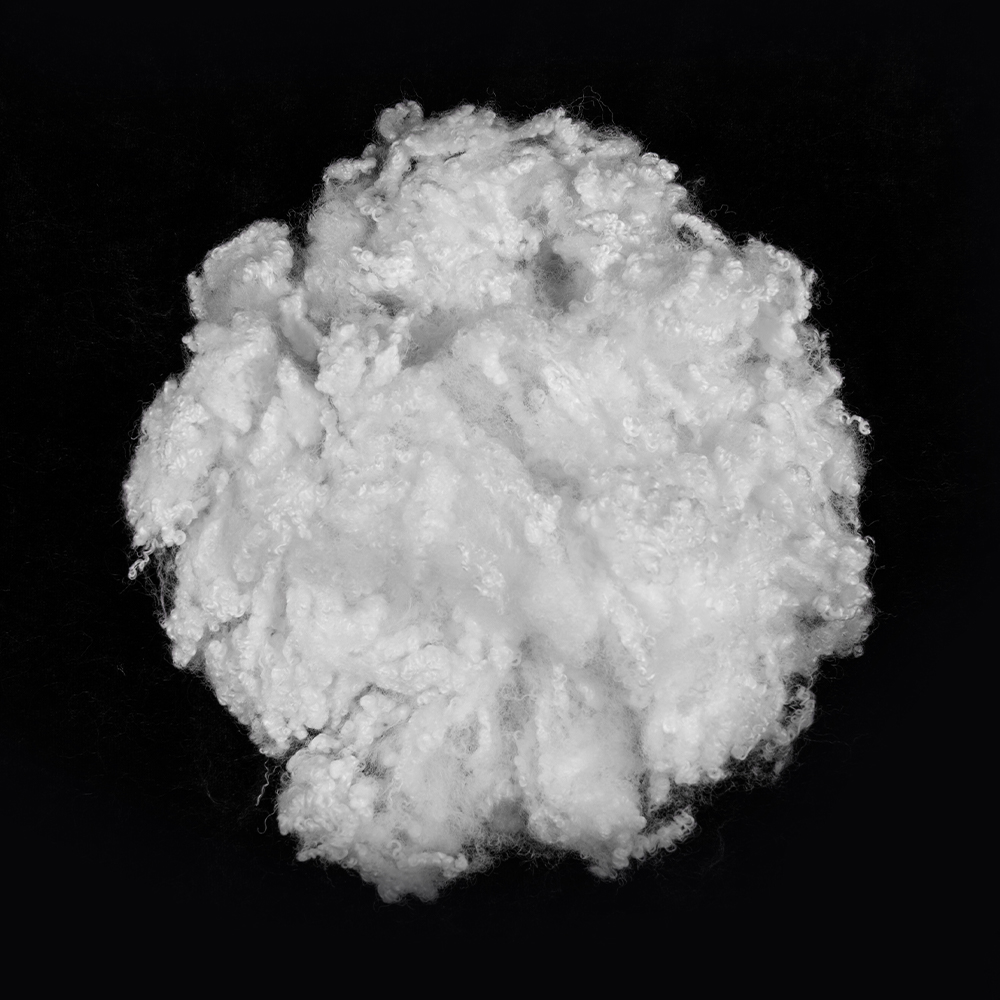
7D×64MM HC Fiber
Non-SiliconeWhere Hollow Conjugate Fiber Is Actually Used
The same core structure adapts across very different industries once fineness, finish and length are tuned to the application.
Home Textile Filling
This is the largest application segment. Pillow core filling, quilt filling fiber, sofa and cushion filling, and mattress filling fiber all rely on the loft and warmth of hollow conjugate fiber to stay plump through years of daily use, while the washable, quick-drying nature avoids the maintenance problems associated with natural down.
Apparel and Outdoor Gear
As a thermal insulation filling, it is layered into winter coats, skiwear, sleeping bag insulation and other outdoor gear filling. Coarser deniers such as 15D are chosen where structure and durability matter more than a soft hand feel, for example in sleeping bags and heavy-duty padding.
Plush Toy Filling
Softness and safety are the priority here. Because the fiber contains no harmful residues and resists mildew and insects, it is a common plush toy filling choice where children have direct, repeated contact with the product.
Automotive Interior Materials
In automotive interior materials, the fiber is used in seat padding, headliners and sound insulation layers. Its light weight supports vehicle lightweighting goals while still delivering thermal and acoustic insulation performance.
HCS Versus HC: Choosing the Right Finish
The single biggest choice in sourcing is whether the fiber carries a silicone finish (HCS) or not (HC). This decision affects hand feel, bonding behavior and end-use performance more than denier alone.
| Type | Surface Finish | Typical Application |
| HCS (Siliconized) | Smooth, slick, down-like touch | Premium pillows, quilts, cushions, plush toys |
| HC (Non-Siliconized) | Higher friction, firmer cohesion | Nonwoven bonding, mattresses, seating, industrial padding |
As a general rule, finer deniers such as 3D favor softness and are directed toward high-end filling material for pillows and quilts, while 15D grades favor strength and support and are directed toward mattress filling fiber, automotive interior materials and industrial padding.
Specification Factors That Affect Processing
Beyond the silicone finish, four parameters determine how the fiber behaves once it reaches a production line: fineness, cut length, hollow ratio and crimp degree. Fineness ranges from fine deniers suited to soft filling through to thick deniers suited to structural padding. Cut length is matched to the processing method, whether that is needle punching, carding or direct stuffing. Hollow ratio is balanced between warmth retention and mechanical support, and crimp degree is tuned for the amount of loft and resilience a finished product requires. A reliable polyester staple fiber manufacturer keeps all four parameters consistent within a production batch, which is what keeps loft and warmth performance uniform across an entire order.
Frequently Asked Questions
Is Hollow Conjugate Fiber the same as ordinary polyester staple fiber?
No. Ordinary polyester staple fiber has a solid cross-section, while Hollow Conjugate Fiber has a hollow core and a spiral crimp built into the polymer itself, giving it far higher loft, better warmth retention and stronger recovery after compression.
Can this fiber replace down feather in bedding products?
In most practical situations, yes. Quilt filling fiber made from hollow conjugate fiber delivers warmth performance close to down, and unlike down it can be washed and machine dried without clumping, which removes a major maintenance drawback of natural fill.
Which denier should be chosen for a soft pillow versus a firm mattress topper?
Finer deniers around 3D are typically chosen for soft pillow core filling because they prioritize plumpness and gentle touch, while coarser deniers around 15D are chosen for mattress filling fiber and seating because they prioritize support and resistance to deformation.
Does the hollow structure affect fire safety or chemical residue in toys?
The hollow structure itself is a physical feature and does not introduce chemical risk. Reputable manufacturers control chemical residue separately during production to meet toy and apparel safety requirements, independent of whether the fiber is hollow or solid.
Ningbo Huaxing Technology Co., Ltd.
-
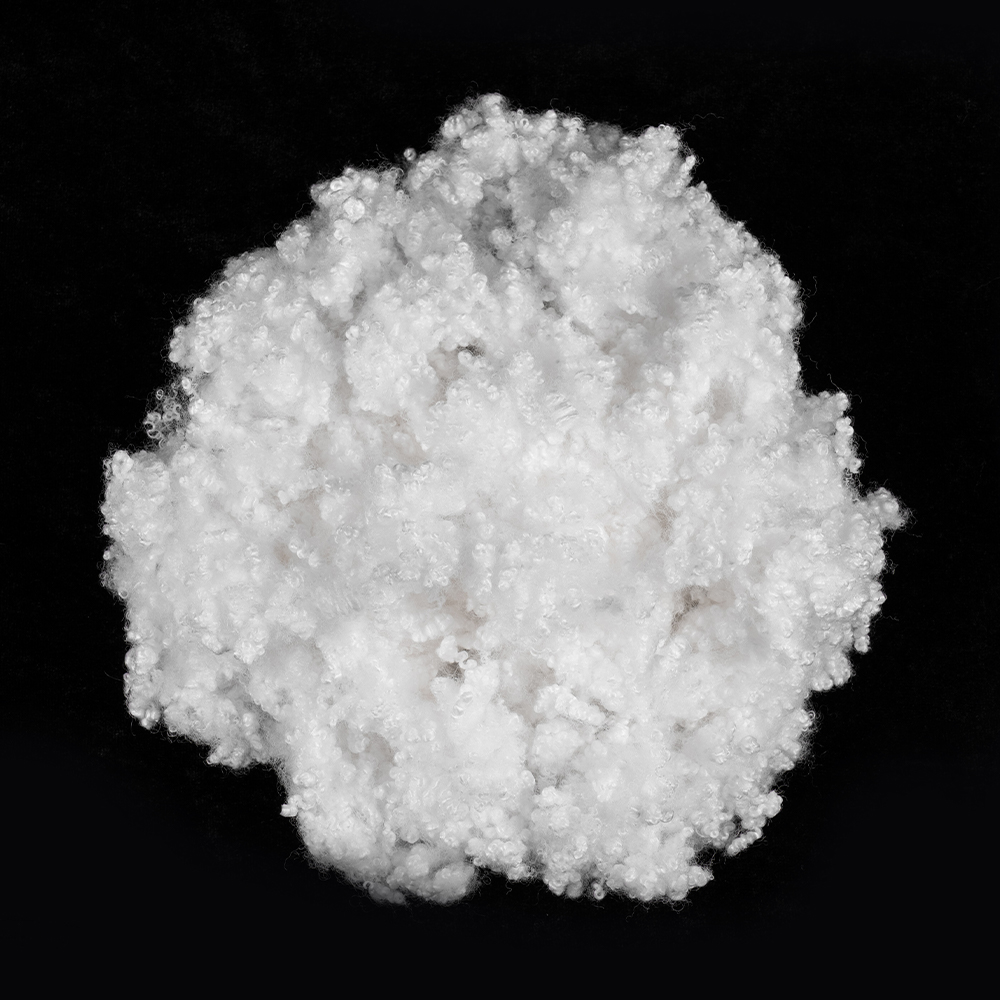
3D HCS Polyester Staple Fiber
-
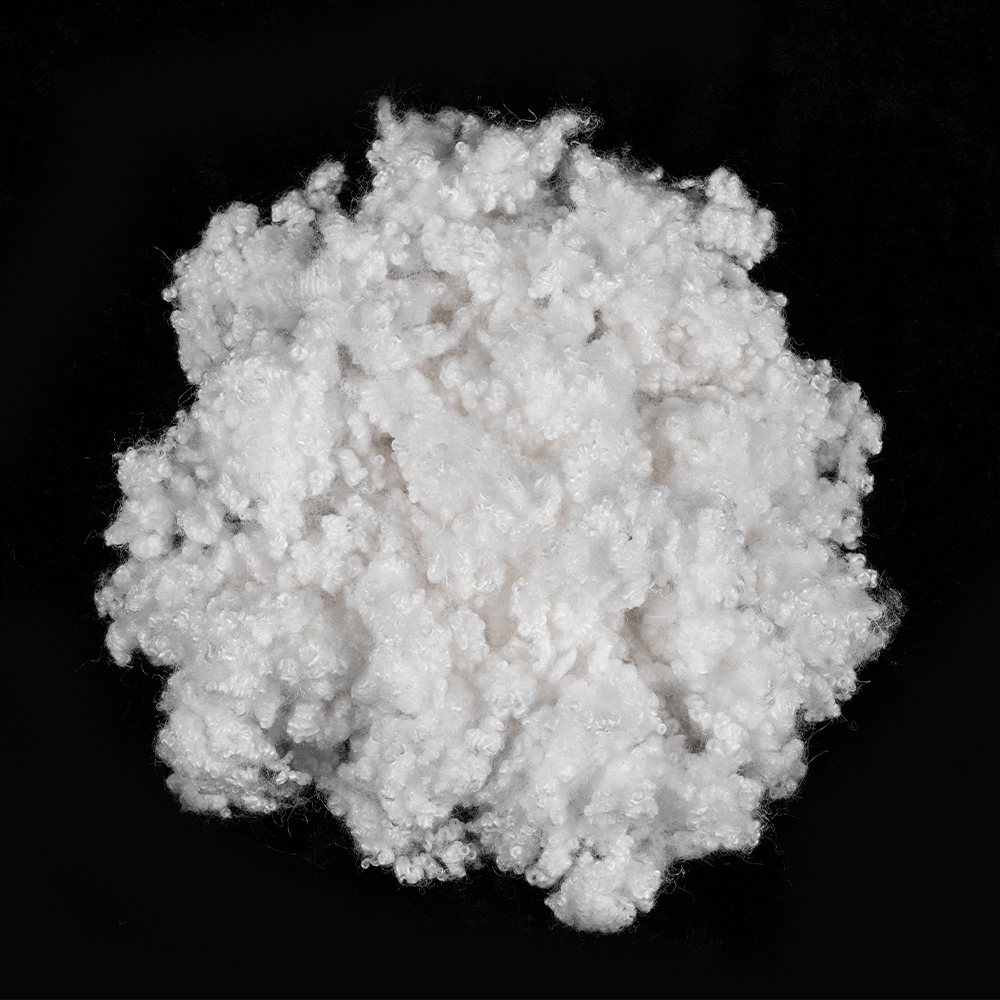
7D HCS Polyester Staple Fiber
-
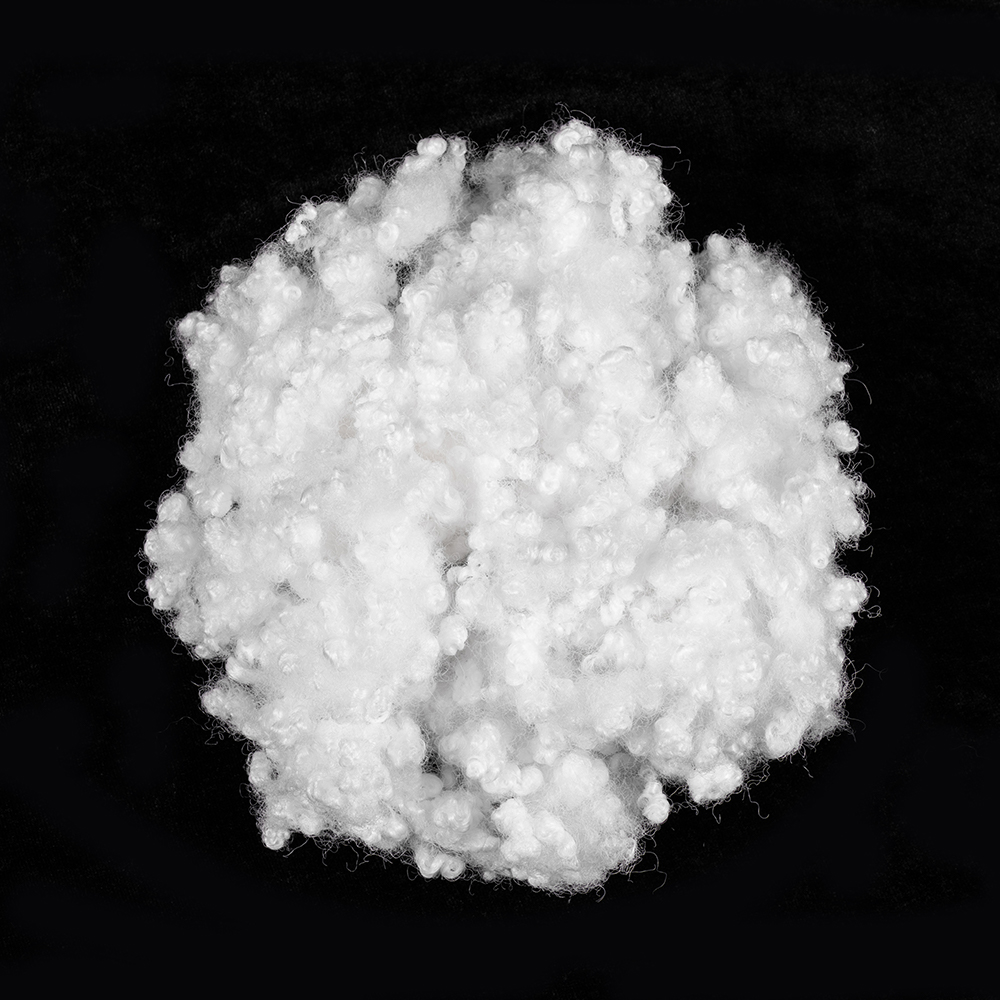
15D HCS Polyester Staple Fiber
-
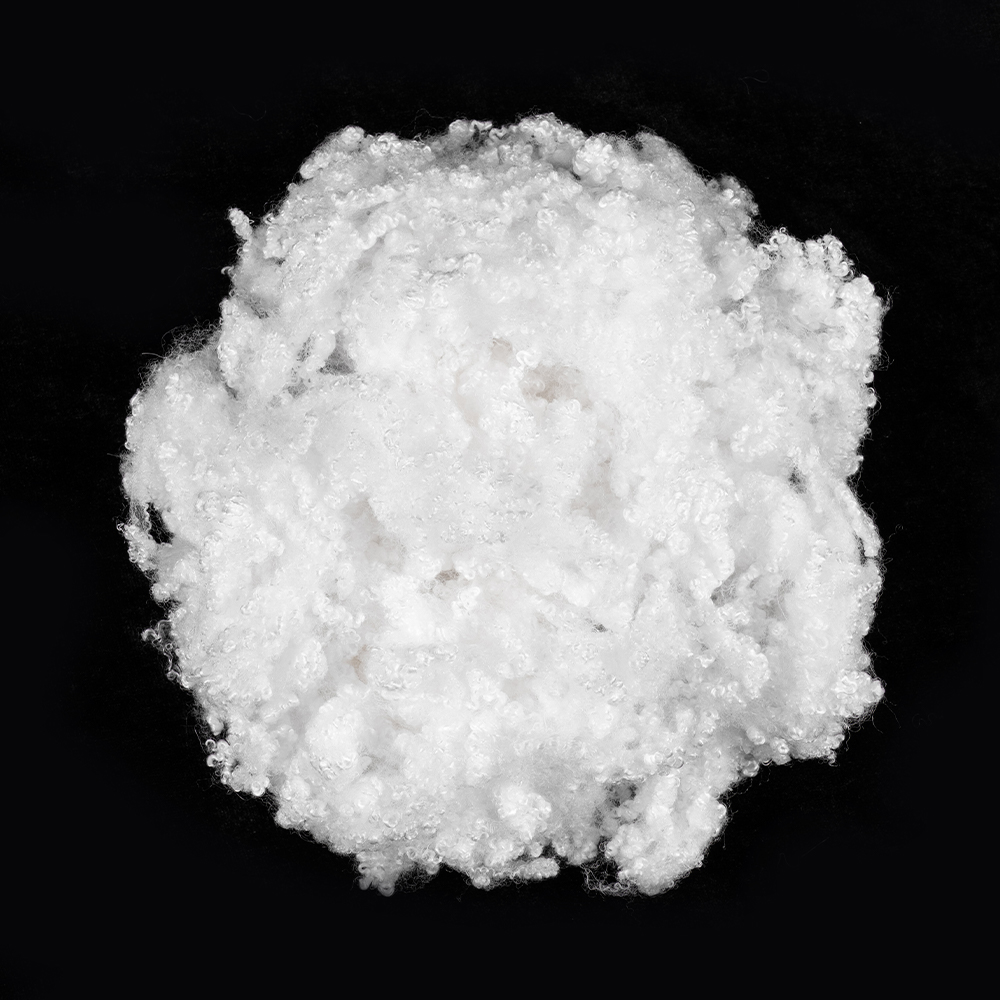
3D*64MM HC Polyester Staple Fiber
-
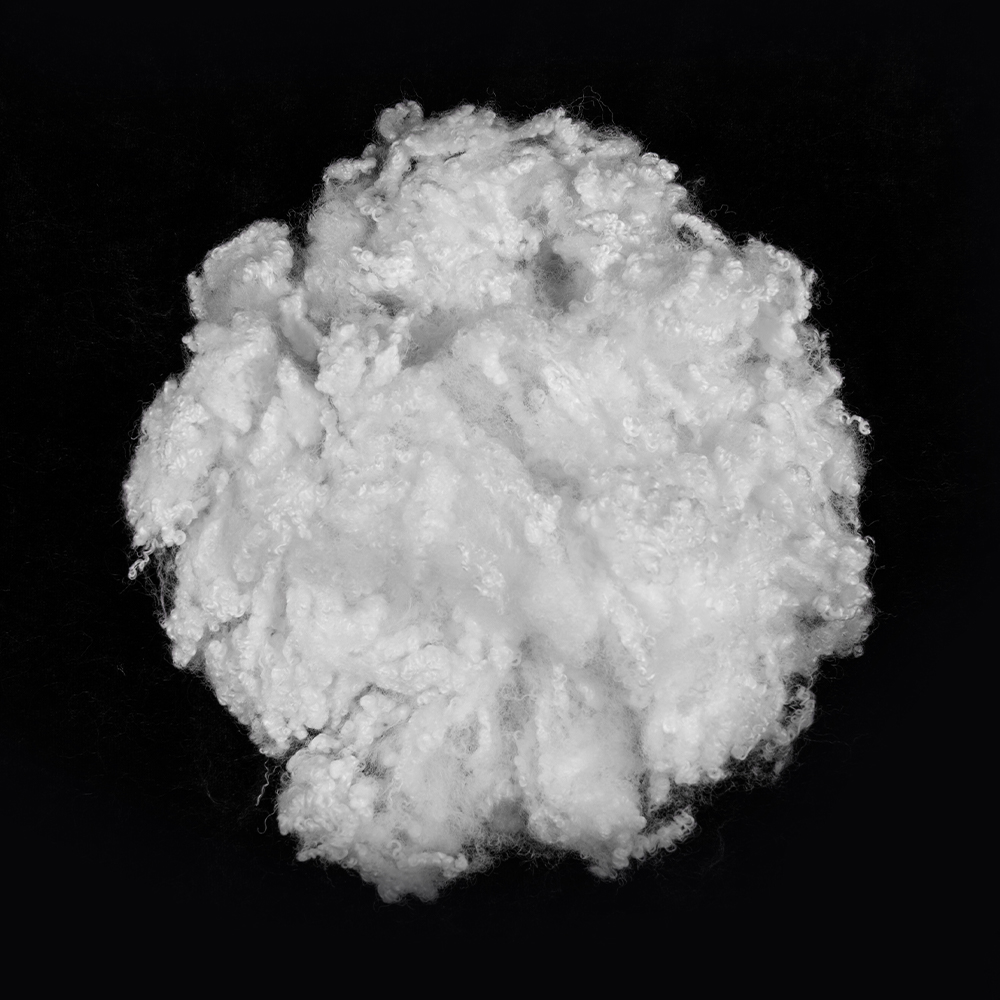
7D*64MM HC Polyester Staple Fiber
-
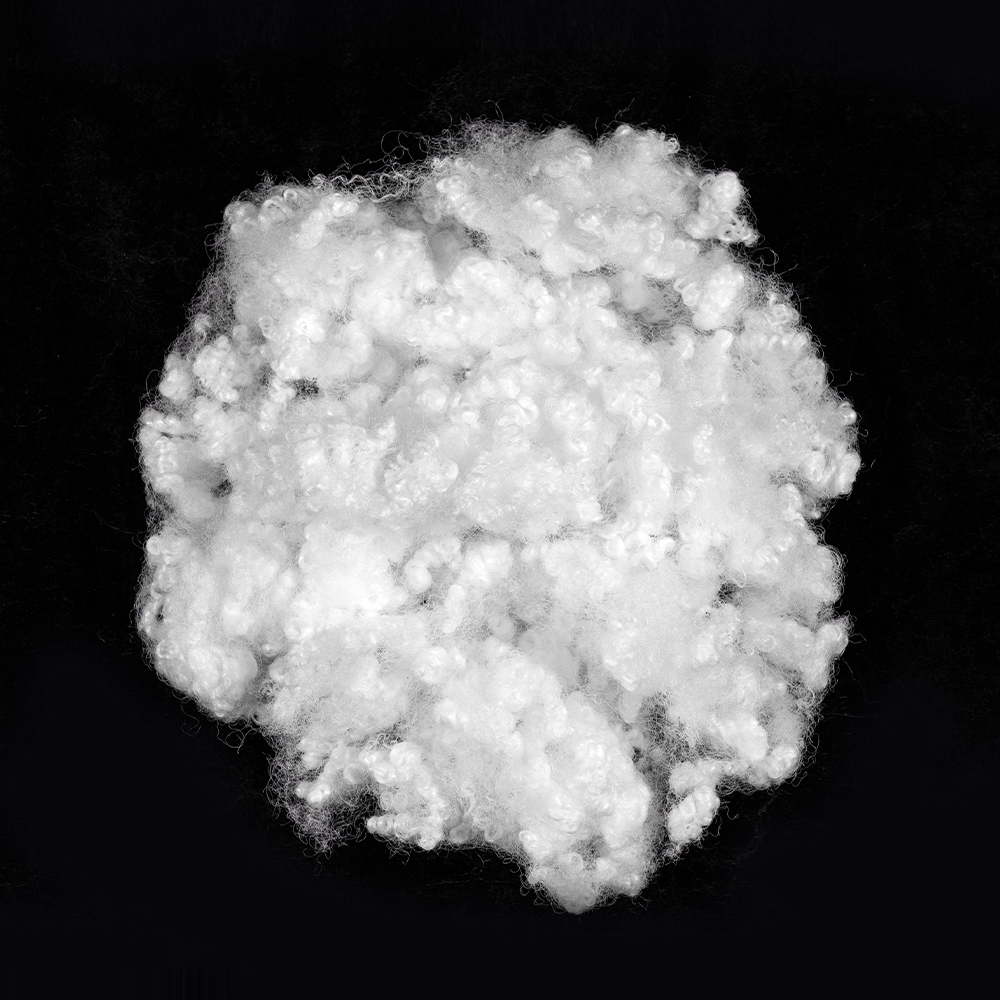
15D*64MM HC Polyester Staple Fiber
-
Quick Links
Home About Us Products FAQ News Contact Us -
Product Links
Polyester Staple Fiber Pre-oriented Yarn/POY Polyester Chip/PET Chip -
About Us
About Us Factory Honor FAQ -
Get In Touch
E-mail:
[email protected]Phone:
+86-130 8198 6637Tel:
+86-0574-63732888Address:
Haidianrong Village, Longshan Town, Cixi City, Ningbo, Zhejiang Province, China.
